
Movie spotlight
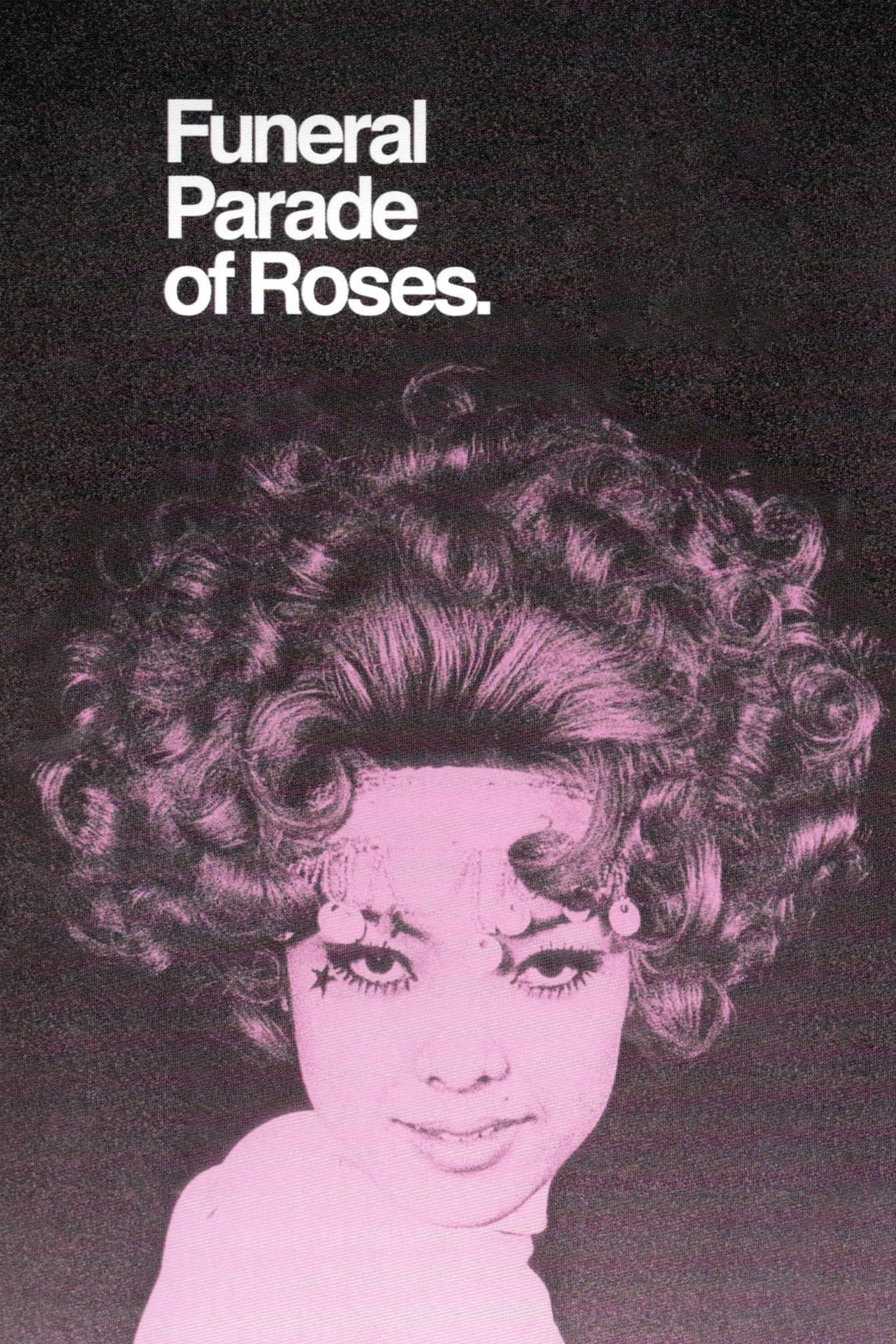
Funeral Parade of Roses
In 1960s Tokyo, Gonda owns a bar in which the gay, cross-dresser, and trans scenes meet. Gonda is in a relationship with the madam of the bar, Leda. As the younger Eddie starts a passionate affair with Gonda, she ignites the jealousy of Leda, unaware of another kind of history between them.
Insights
Plot Summary
This avant-garde film follows Eddie, a young drag queen navigating the underground LGBTQ+ scene of 1960s Tokyo. As Eddie becomes entangled in a complex love triangle with a photographer and his fetishistic lover, the narrative delves into themes of identity, desire, and societal alienation. The film culminates in a violent and tragic climax, reflecting the chaotic and often brutal realities faced by its characters.
Critical Reception
Funeral Parade of Roses is a cult classic, celebrated for its bold experimental style and its unflinching portrayal of counter-culture and queer life in Japan. Critics often praise its surreal imagery, its provocative themes, and its significant influence on subsequent underground cinema. While its challenging narrative and explicit content have made it divisive, it is widely regarded as a groundbreaking work of Japanese cinema.
What Reviewers Say
Praised for its groundbreaking surrealism and audacious exploration of queer identity.
Acknowledged as a highly influential, albeit challenging, piece of Japanese experimental cinema.
Noted for its raw depiction of Tokyo's underground scene and its tragic narrative.
Google audience: Information not available.
Awards & Accolades
None notable.
Fun Fact
The film directly inspired the character of Hedwig in the musical 'Hedwig and the Angry Inch'.
AI-generated overview · Verify ratings on official sources