Movie spotlight
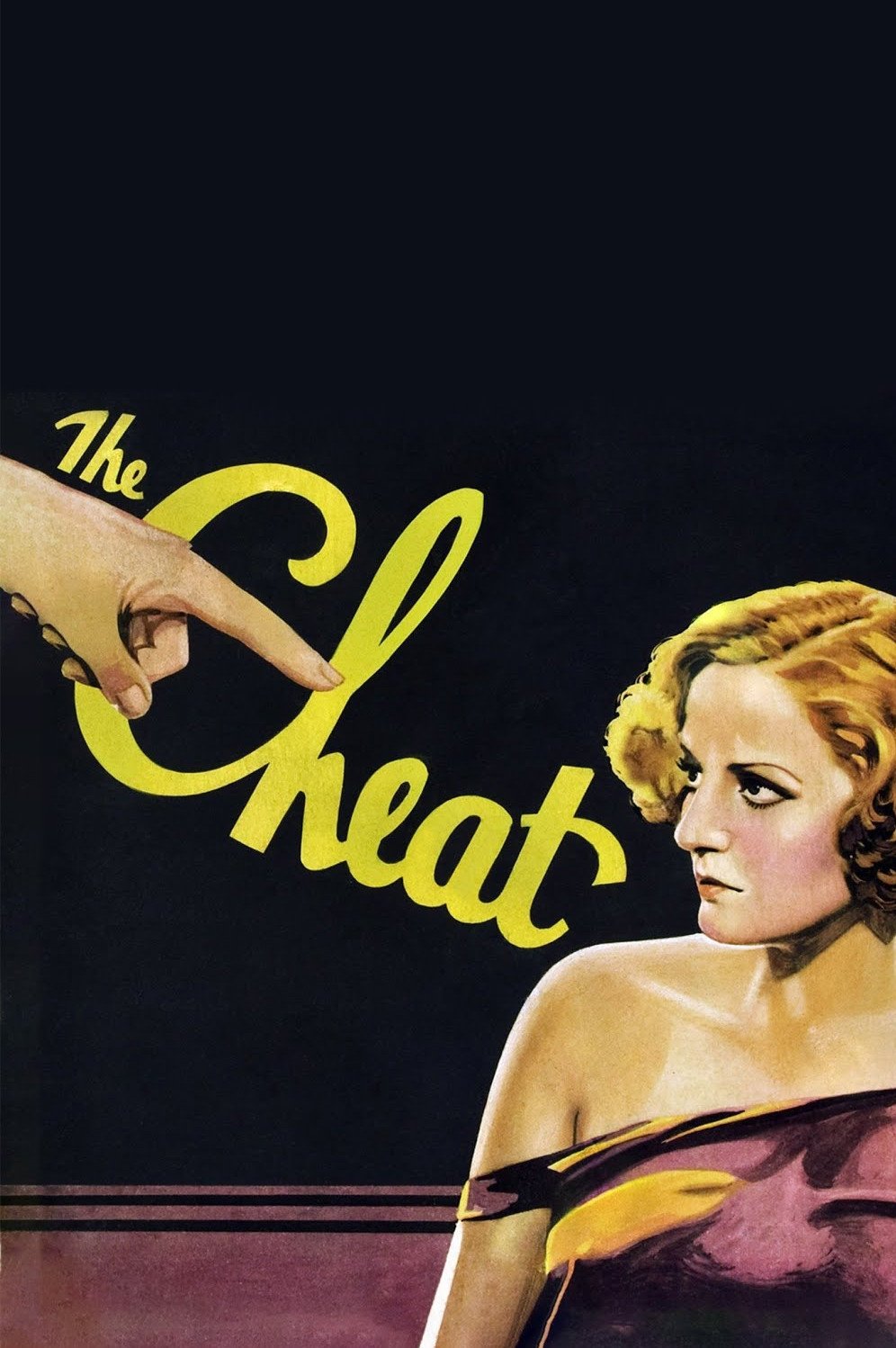
The Cheat
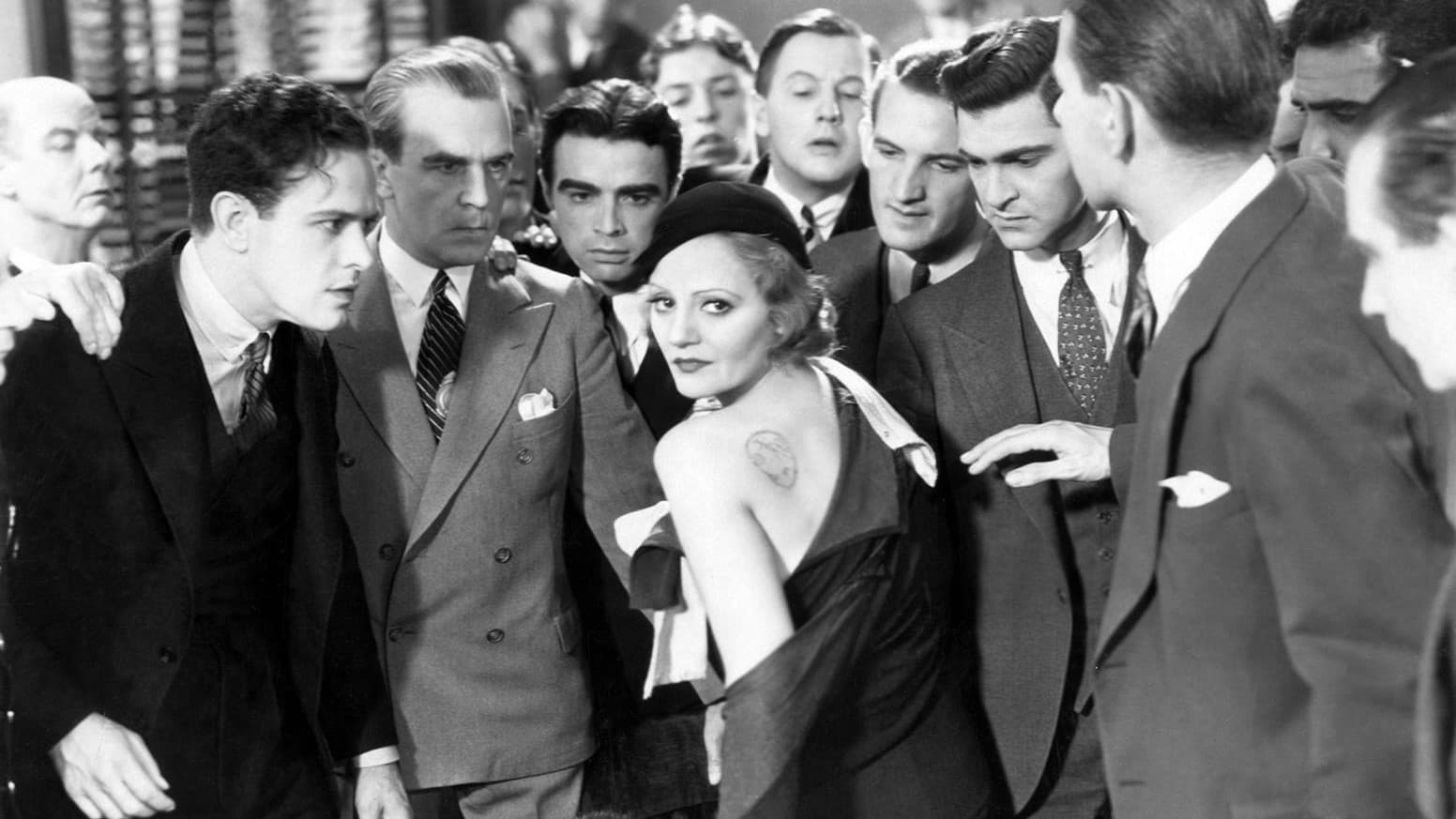
Elsa Carlyle is impulsive and a gambler. Though loved by her husband Jeff, she's spoiled and selfish, concerned with social standing. Meanwhile, Jeff wants to stop spending while he completes business deals that could make them rich. One night, on a hunch, she bets and loses big at a casino, and then she doubles her problems with more impulsive decisions. Hardy Livingstone, a wealthy Casanova just back from the Orient, makes a play for her. Elsa dallies with Hardy, but soon, his insistence and her dire financial affairs seem destined to lead to adultery. Who's the cheat?
Insights
Plot Summary
Elsa Dickinson, a socialite bored with her wealthy husband, gambles away a large sum of money that belongs to her husband's business partner, Jeffrey Deering. When she cannot repay him, Deering demands that she become his mistress. Elsa agrees, but her husband, who is unaware of her debts, soon discovers the affair and vows revenge.
Critical Reception
Upon its release, 'The Cheat' received mixed reviews, with many critics praising Tallulah Bankhead's performance but finding the plot somewhat melodramatic and predictable. The film's themes of infidelity and blackmail were considered daring for the time, but its execution was not universally lauded.
What Reviewers Say
Tallulah Bankhead delivers a powerful and captivating performance as the conflicted socialite.
The film's plot, while sensational for its era, can feel dated and overly melodramatic to modern audiences.
The morality play aspect, exploring themes of desperation and consequence, is a significant draw.
Google audience: Information regarding specific audience reception and sentiment from Google users for 'The Cheat (1931)' is not readily available.
Awards & Accolades
None notable.
Fun Fact
The 1931 version of 'The Cheat' is actually a remake of a 1915 silent film of the same name, which starred Fannie Ward and was directed by Cecil B. DeMille.
AI-generated overview · Verify ratings on official sources