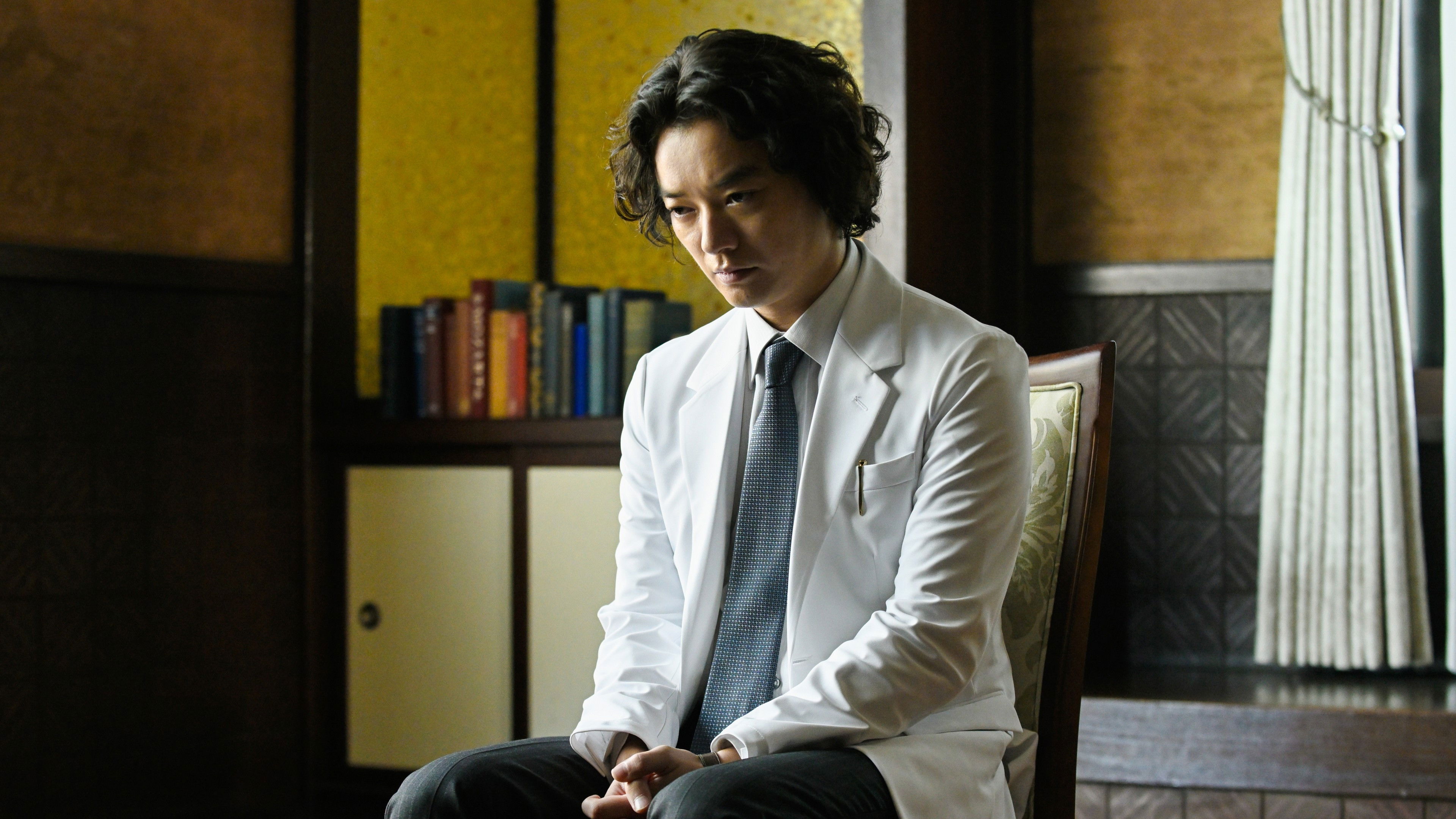
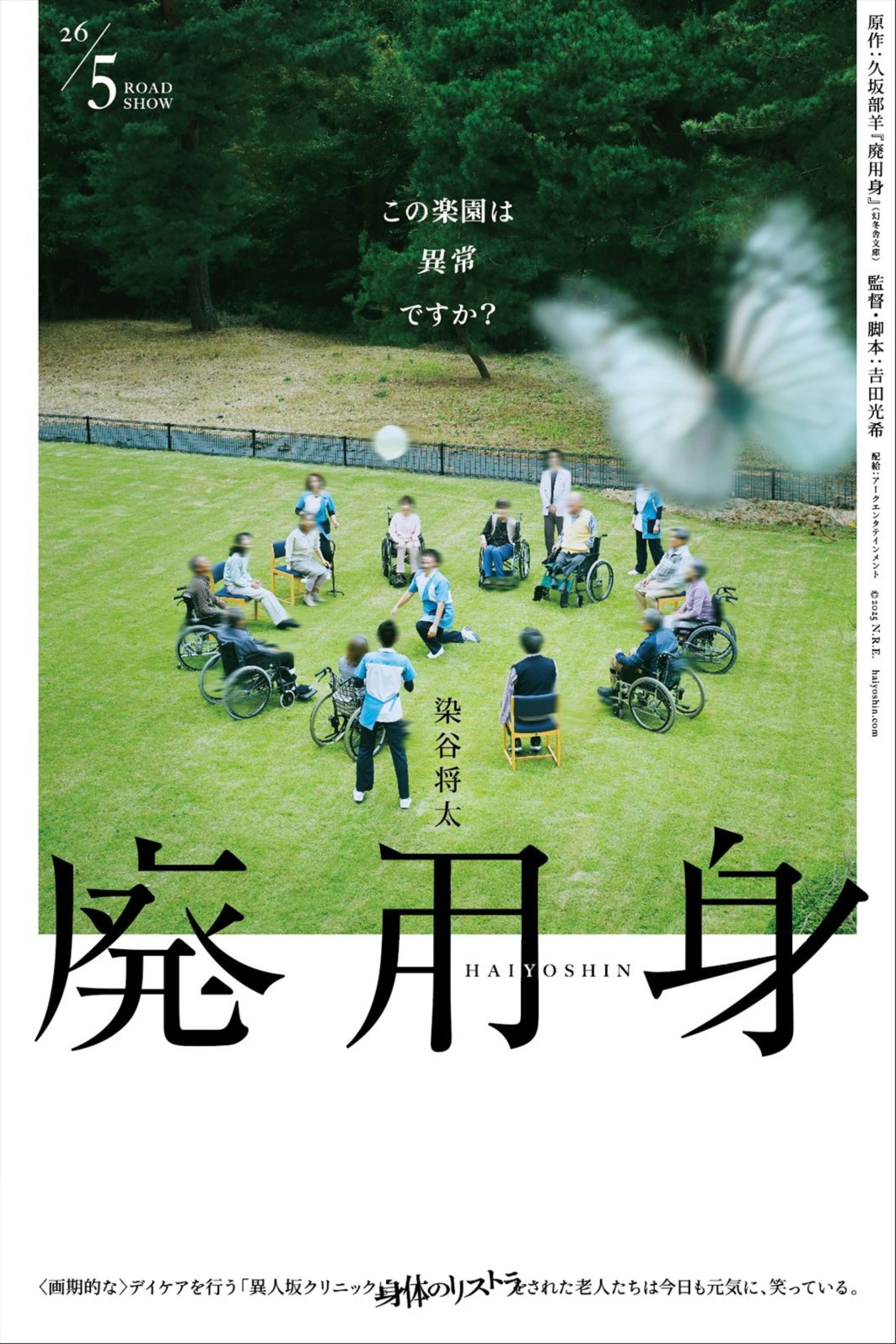
Movie spotlight
THE A-CARE -Disusebody-
At the "Ijinzaka Clinic" day service, a revolutionary treatment devised by Director Urushihara is secretly spreading among the elderly. Aiming for the ultimate cost-effective care, the amputation of "Disusebody" (limbs with no hope of recovery) has reportedly led to unexpected positive side effects, such as patients feeling "lighter in body and mind" or "developing a gentler personality." Yagura, an editor who hears these rumors, senses a potential revolution in geriatric medicine and proposes a book deal to Urushihara. However, an internal whistleblower leak about the daycare center soon surfaces in a weekly magazine. Following a shocking incident at a patient's home, everything begins to spiral into darkness.
Insights
Plot Summary
A coming-of-age story centered around a young girl who experiences a traumatic event and grapples with its aftermath. The film delves into her emotional journey as she navigates feelings of guilt, isolation, and the struggle to connect with others. It explores themes of memory, trauma, and the slow process of healing.
Critical Reception
Haikei Shiranui (Junk Body) received limited release and critical attention, making comprehensive reception data scarce. However, its sensitive portrayal of a difficult subject matter and strong performances were noted in niche reviews. The film was appreciated for its quiet intensity and artistic approach to a challenging narrative.
What Reviewers Say
Praised for its sensitive handling of a dark subject.
Yuri Tsunematsu's performance as the protagonist was highlighted as powerful.
The film's atmospheric and introspective style resonated with some viewers.
Google audience: Information on Google user reviews for this film is not readily available.
Fun Fact
The film's original Japanese title, '廃用身' (Haiyōmi), can be translated to 'Disused Body' or 'Junk Body', reflecting the protagonist's feelings of self-worth and fragmentation after her trauma.
AI-generated overview · Verify ratings on official sources