Movie spotlight
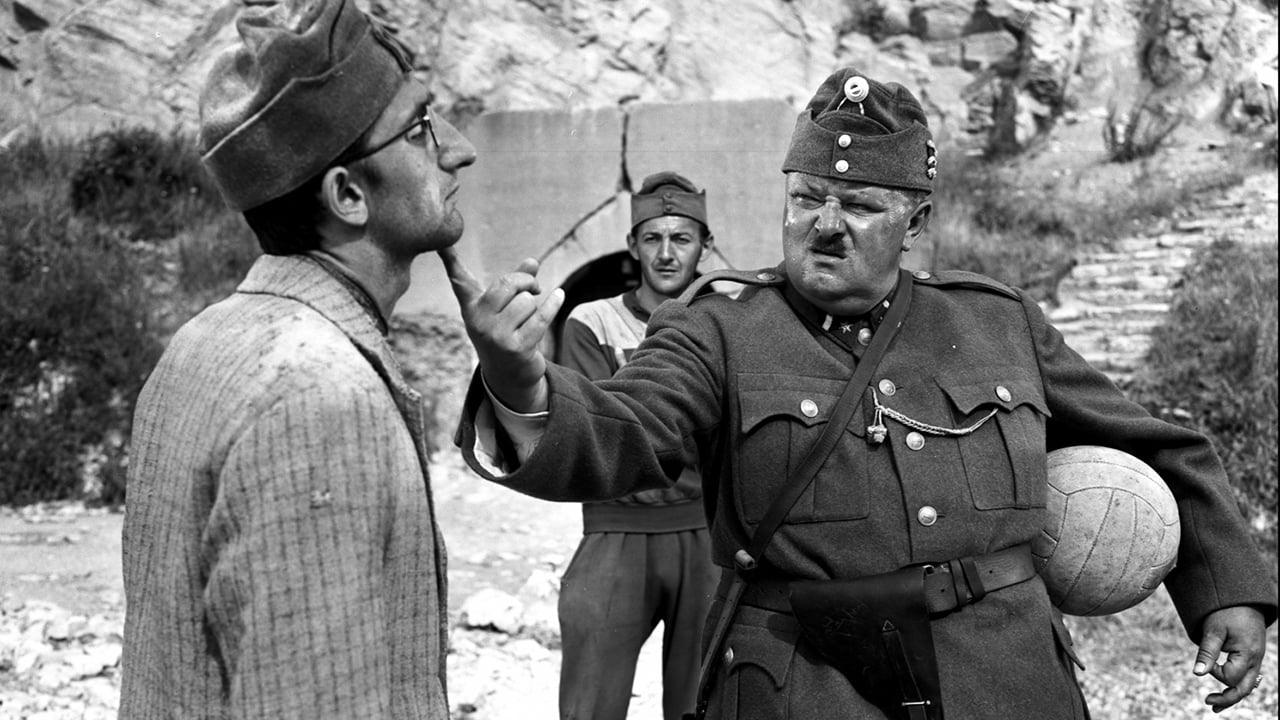
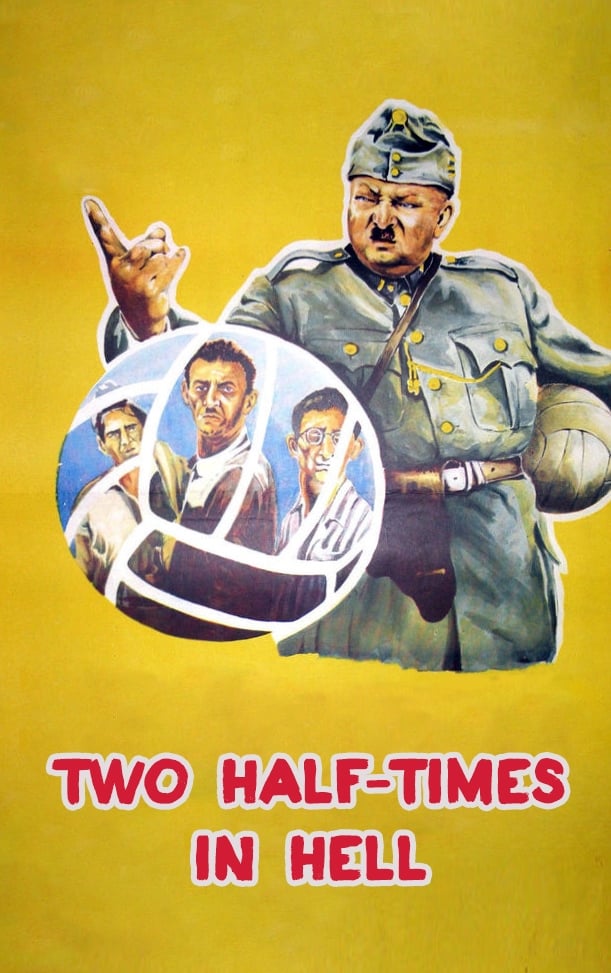
Two Half-Times in Hell
To celebrate Hitler's birthday, a soccer match is organised between the Germans and a group of Hungarian political prisoners, one of whom is a famous pre-war football star.
Insights
Plot Summary
During World War II, a group of Hungarian prisoners of war in a Nazi concentration camp are forced to play a football match against their German captors. The stakes are high, as the prisoners' survival depends on the outcome of this game. They must overcome not only the physical challenges of the match but also the psychological manipulation and brutality of their oppressors.
Critical Reception
Zoltán Fábri's "Two Half-Times in Hell" is a powerful and harrowing anti-war film that uses the allegory of a football match to explore themes of dehumanization, resistance, and the absurdity of war. It was critically acclaimed for its strong performances, poignant storytelling, and stark portrayal of the human spirit under extreme duress. The film is considered a significant work in Hungarian cinema.
What Reviewers Say
Praised for its allegorical depth and potent anti-war message.
Lauded for its gripping performances, particularly Imre Sinkovits.
Recognized as a significant and emotionally resonant piece of cinema.
Google audience: While specific Google user ratings are not readily available, critical reception suggests a film that resonates deeply with audiences for its powerful themes and emotional impact. Viewers often highlight its ability to convey the horrors of war through a unique and engaging narrative.
Awards & Accolades
Nominated for the Palme d'Or at the 1962 Cannes Film Festival.
Fun Fact
The film is based on the true story of a football match that took place in a Soviet prisoner-of-war camp during World War II, though it was adapted to a Nazi concentration camp setting for the film.
AI-generated overview · Verify ratings on official sources