Movie spotlight
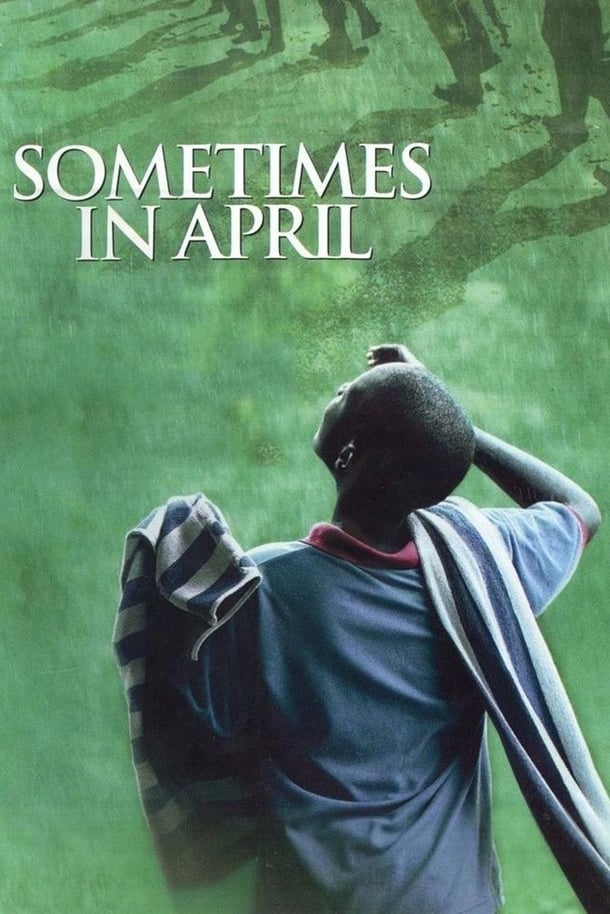
Sometimes in April
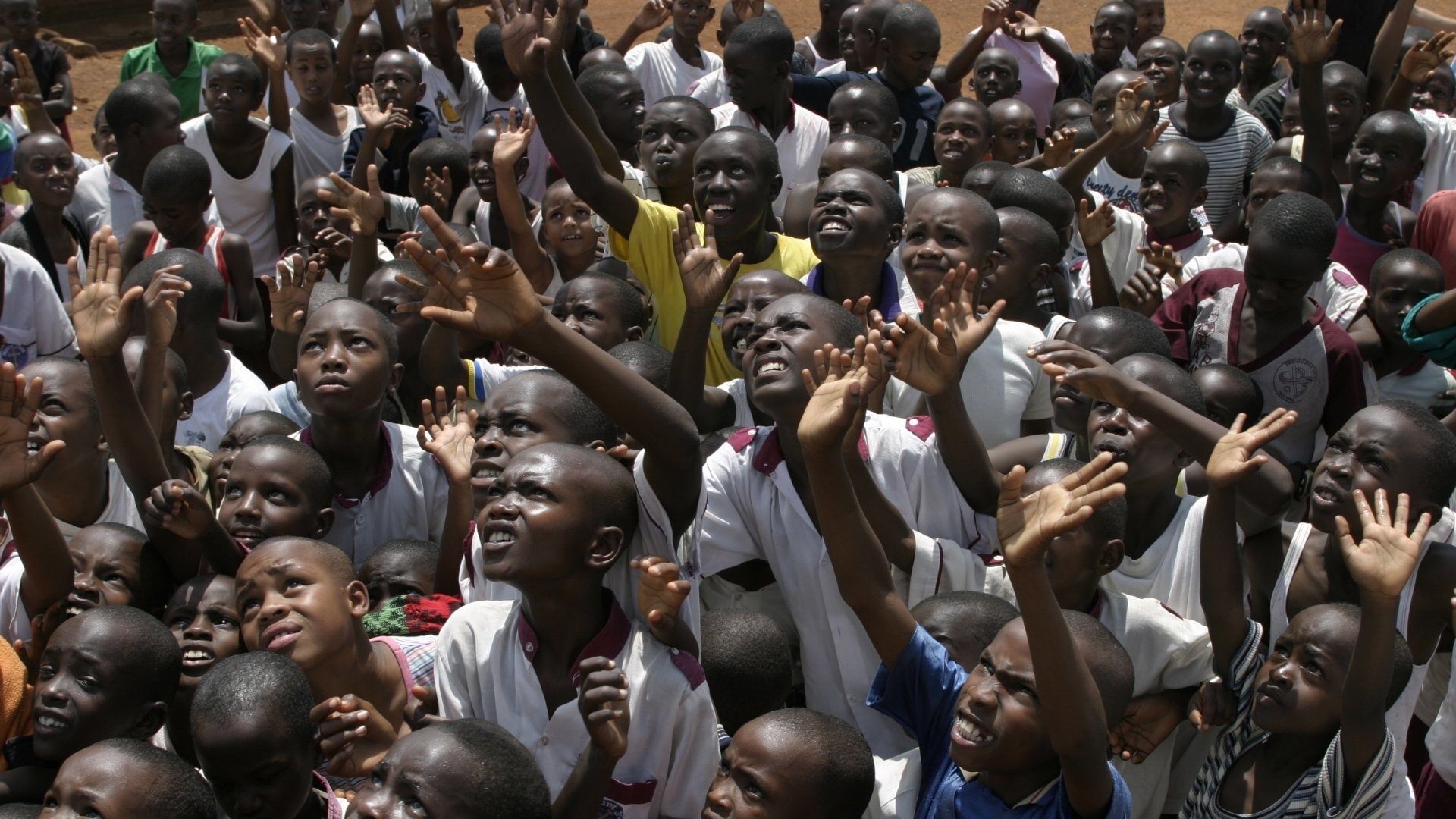
Two brothers are divided by marriage and fate during the 100 horrifying days of the 1994 Rwandan genocide.
Insights
Plot Summary
In April 1994, as the Rwandan genocide begins, Augustin Rugamba, a television journalist, finds himself caught between his duty to report the unfolding horror and his desire to protect his family. He must navigate the escalating violence, the breakdown of order, and his own conscience as he witnesses unimaginable atrocities. The film interweaves his personal struggle with the broader historical context of the genocide.
Critical Reception
Sometimes in April was widely acclaimed for its powerful and unflinching portrayal of the Rwandan genocide. Critics lauded its emotional depth, strong performances, and its success in humanizing the historical event. It is considered one of the most impactful films on the subject, though its graphic nature has also been noted.
What Reviewers Say
Praised for its raw and devastating depiction of the Rwandan genocide.
Lauded for strong performances, particularly from Idris Elba.
Cited as a deeply moving and important historical drama.
Google audience: Google users largely commend 'Sometimes in April' for its profound emotional impact and its vital historical significance. Many viewers express how the film effectively conveys the tragedy and horror of the Rwandan genocide, with particular appreciation for its humanistic approach and the powerful storytelling that leaves a lasting impression.
Awards & Accolades
Nominated for a Golden Globe for Best Miniseries or Television Film, and received numerous other festival awards.
Fun Fact
Raoul Peck, the director, drew inspiration from real-life accounts and experiences to ensure the film's authenticity, interviewing survivors and witnesses of the genocide.
AI-generated overview · Verify ratings on official sources