Movie spotlight
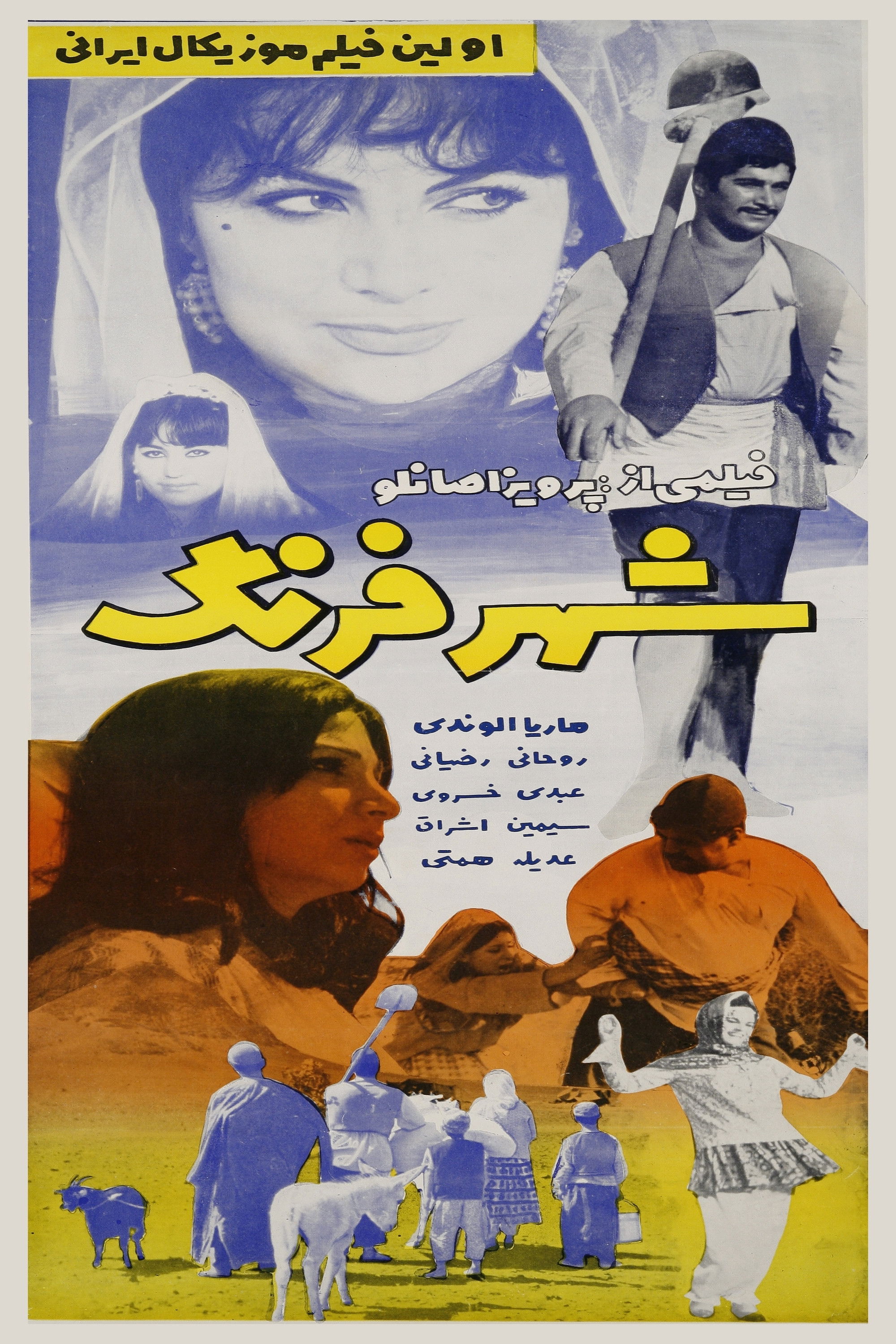
Shahr-e-Farang
Four cousins intend to marry each other, but their uncle confesses that due to a grudge against his strict brother, he swapped one of the girls with his brother's son. In reality, the bride and groom are siblings. Thus, the bride and groom are swapped so that this marriage can proceed.
Insights
Plot Summary
A lonely, middle-aged government clerk named Mr. Hashemi leads a monotonous existence. His days are filled with routine tasks at the office and quiet evenings alone in his apartment. He yearns for connection and meaning, but struggles to break free from his ingrained habits and the stifling social norms of the time. The film subtly explores themes of alienation and the quiet desperation of a life unfulfilled.
Critical Reception
Shahr-e-Farang is a significant early work by Sohrab Shahid-Saless, recognized for its minimalist style and poignant portrayal of everyday life and existential ennui. While not widely distributed internationally upon its release, it has gained recognition among cinephiles for its stark realism and introspective narrative, particularly within the context of Iranian cinema's burgeoning art-house movement.
What Reviewers Say
Praised for its understated direction and authentic depiction of isolation.
Commended for its subtle exploration of the human condition and the search for meaning.
Noted for its minimalist aesthetic and slow-burn narrative.
Google audience: Information not available for Google user reviews.
Fun Fact
Sohrab Shahid-Saless would later emigrate to Germany and continue his career, becoming known for his distinctively observational and empathetic filmmaking style.
AI-generated overview · Verify ratings on official sources