Movie spotlight
The Moon and the Stars
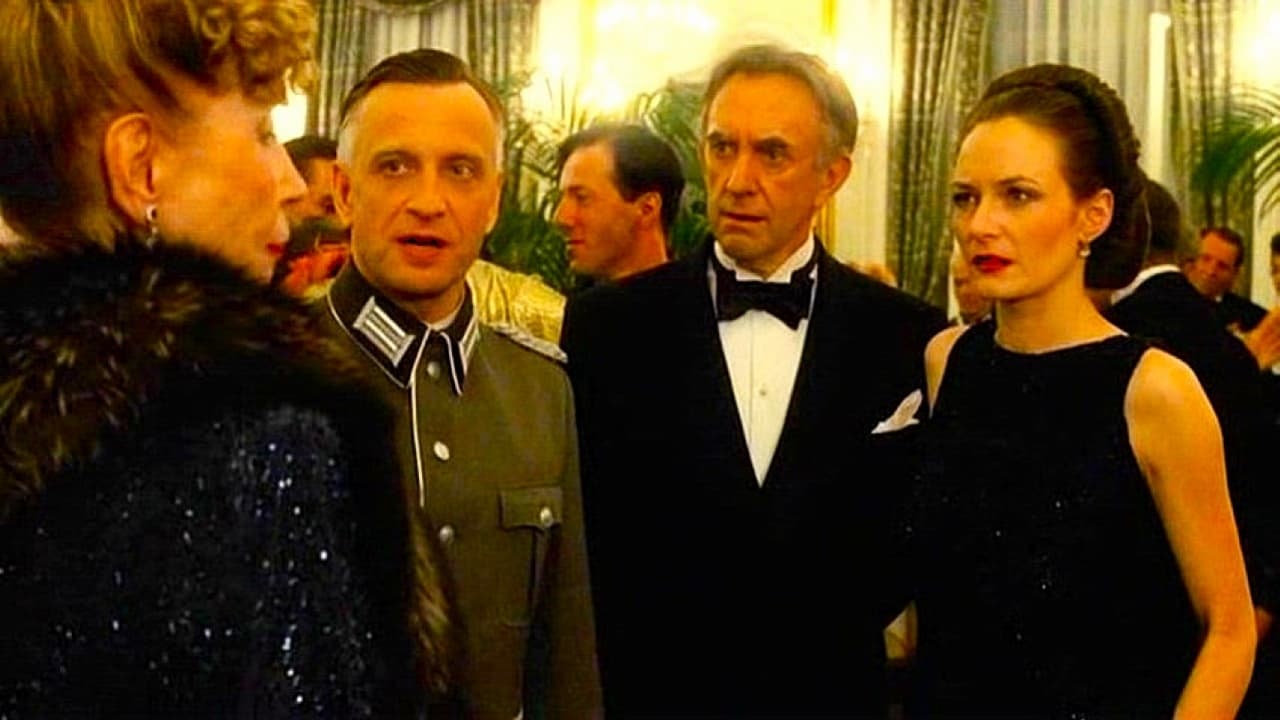
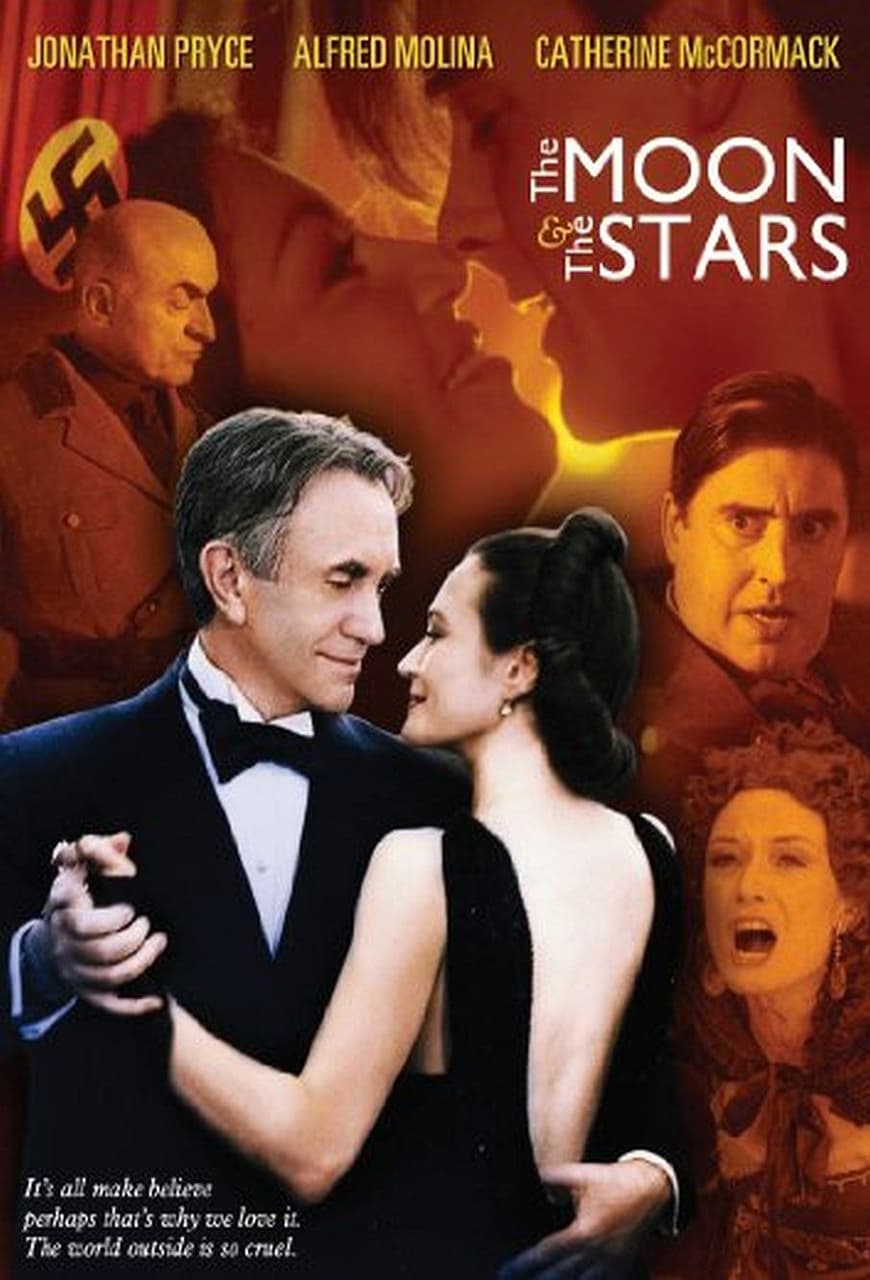
1939: Rome stands on the brink of World War II. In the midst of this political and social tension famed producer Davide Rieta is making a major film. The two lead actors, the German woman Kristina Baumgarten and the English man James Clavel ace each others' initial antagonism and eventually fall in love. Meanwhile the fascist police are looking for an excuse to arrest the Jewish filmmaker and any other potential "troublemakers." The producer and his crew decide to make one final extraordinary effort to complete the film - against all odds.
Insights
Plot Summary
In 1930s Fascist Italy, a young English artist named David is sent to Italy to manage his aunt's villa and encounters a captivating Italian woman named Alessandra. Their budding romance is threatened by the turbulent political climate and the rising tide of war, forcing them to confront their feelings amidst the looming conflict.
Critical Reception
The Moon and the Stars received a mixed reception from critics, with some praising its romantic elements and visual style, while others found its plot predictable and its historical context underdeveloped. Audience response was similarly divided, with many appreciating the performances but finding the overall narrative lacking.
What Reviewers Say
Praised for its beautiful cinematography and romantic storyline.
Criticized for a somewhat clichéd plot and historical inaccuracies.
Performances of the lead actors were generally well-received.
Google audience: Audience reviews for 'The Moon and the Stars' are scarce, but those available suggest a mixed appreciation for the film's romantic appeal and visual aesthetic, with some finding the story less compelling than expected.
Fun Fact
The film was shot on location in Italy, aiming to capture the picturesque scenery of the pre-war era.
AI-generated overview · Verify ratings on official sources