Movie spotlight
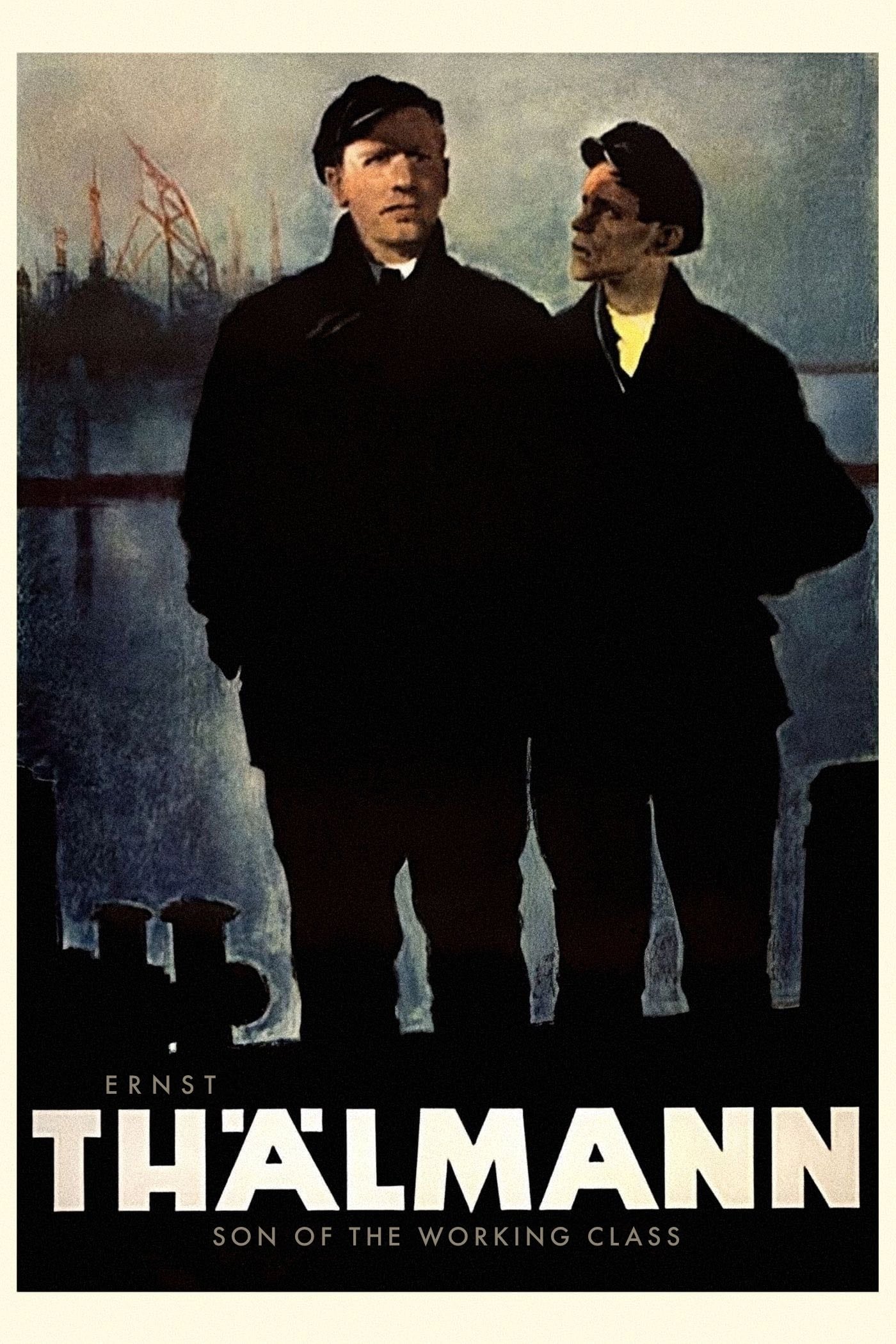
Ernst Thälmann – Son of the Working Class
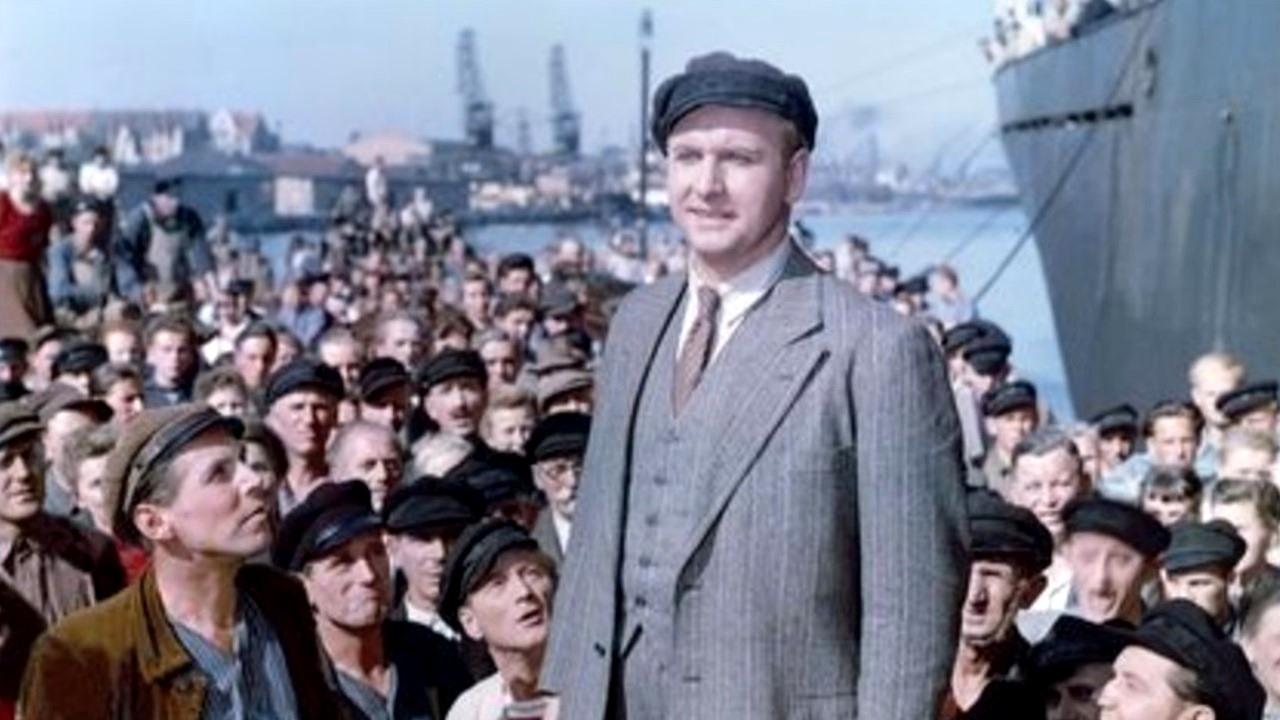
This film is the first of a two-part historical and biographical portrait of the communist politician and anti-fascist Ernst Thälmann. In early November 1918, Ernst Thälmann is an unwilling soldier serving on the western front. As the revolutionary movement at home is threatened by the betrayal of the Social Democrats and fissures in the working class, Thälmann calls on his fellow soldiers to put down their weapons and unite with the workers in the communist struggle at home. Thälmann’s qualms about which side he is fighting on continue, but when the local police attempt to prevent a shipment of provisions and supplies from reaching the people in Petrograd, he intervenes and the ship is unloaded. With this moment of clarity, Thälmann continues to follow his political convictions and joins the workers at the Hamburg uprising in October 1923.
Insights
Plot Summary
This East German biographical film chronicles the life of Ernst Thälmann, a prominent German communist politician and leader of the Communist Party of Germany (KPD) during the Weimar Republic and the Nazi era. It depicts his early life as a factory worker, his rise in the communist movement, his activism against fascism, and his eventual imprisonment and death in a Nazi concentration camp.
Critical Reception
As a state-sponsored production of the German Democratic Republic (GDR), the film was intended as a propaganda piece to glorify Thälmann and the communist cause. Critical reception outside of the GDR was largely absent or dismissive due to its political nature and historical context. Within East Germany, it was hailed as a significant cinematic achievement and a patriotic masterpiece.
What Reviewers Say
Praised within its originating country as a powerful depiction of a heroic working-class figure.
Criticized internationally as a piece of socialist realism and political propaganda.
The film's historical accuracy is debated, given its official production by the GDR government.
Google audience: Information on Google user reviews for this film is not readily available.
Awards & Accolades
Awarded the 'National Prize of the GDR' (Nationalpreis der DDR) in 1954.
Fun Fact
The film was shot in color and was one of the most ambitious productions of the DEFA film studio during the 1950s.
AI-generated overview · Verify ratings on official sources