
Danse macabre
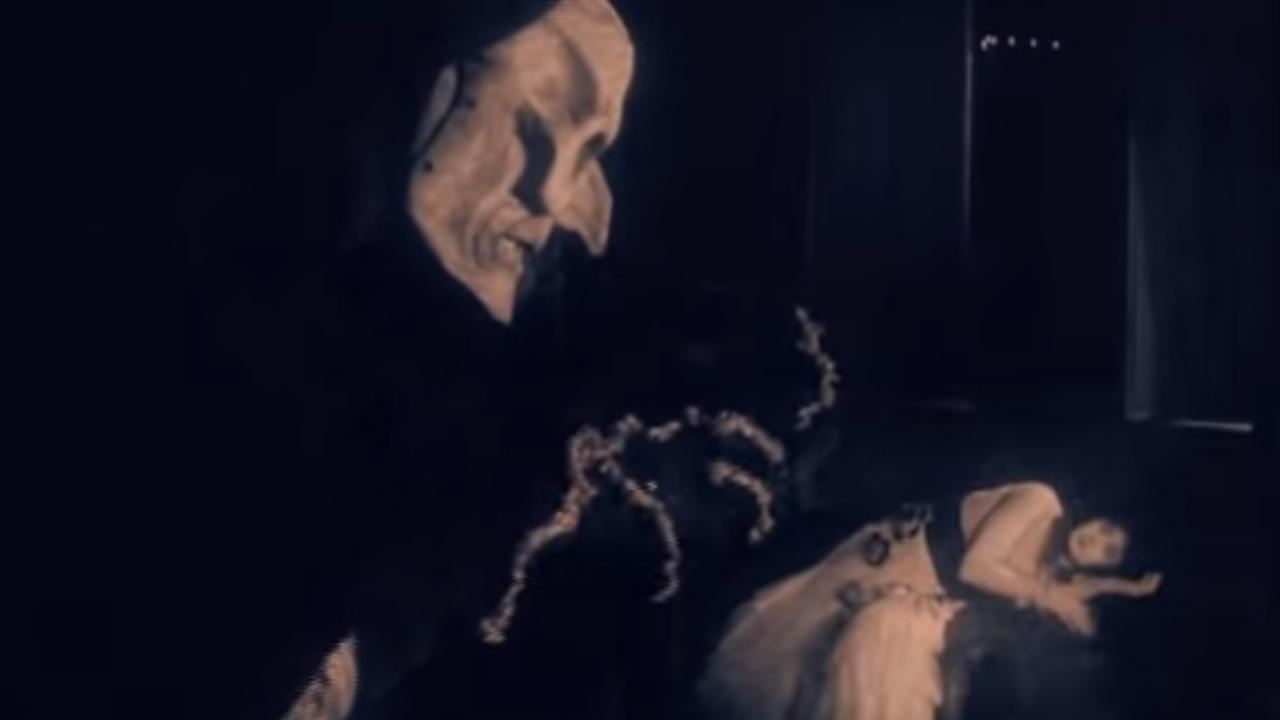
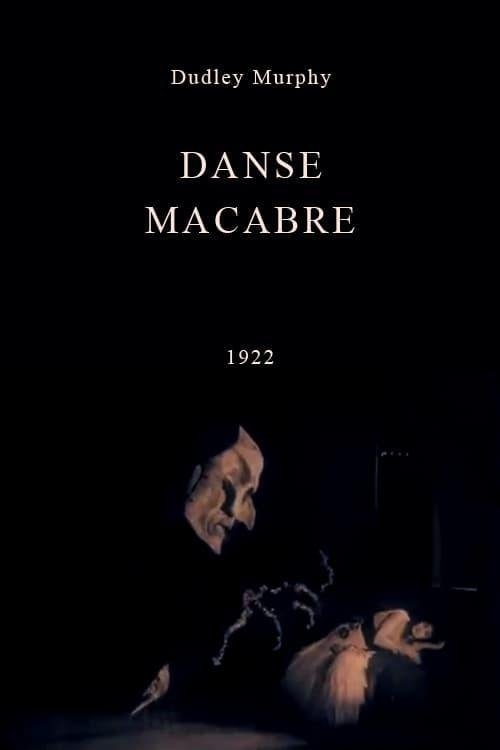
The Black Death is ravaging Spain. As Camille Saint-Saëns's "Danse Macabre" plays on the soundtrack, a mix of animation and acted scenes tells the story of Youth and Love meeting one night. They dance, embrace, and kiss. As the night wears on, exuberant Death, a skeletal figure with a violin, pursues the couple. They try to elude him. Eventually, Love swoons. Youth is powerless to protect her. Is she doomed?
Insights
Plot Summary
A man haunted by the memory of his deceased lover receives visits from her ghost, who tries to lure him into the afterlife. He must confront his grief and the spectral presence to find peace. The film explores themes of love, loss, and the supernatural in a dreamlike, atmospheric manner.
Critical Reception
As a silent short film, "Danse macabre" is often discussed within the context of early French avant-garde cinema. While not widely reviewed by mainstream critics of its time, it is recognized for its experimental approach and its exploration of psychological horror. Its influence is more felt in academic circles and among cinephiles interested in the evolution of horror and surrealist filmmaking.
What Reviewers Say
- Praised for its atmospheric intensity and dreamlike visuals.
- Noted for its early exploration of psychological horror and the supernatural.
- Considered a significant example of French avant-garde cinema's experimental phase.
Google audience: Audience reception information for this early silent short is not readily available through typical platforms.
Fun Fact
Jean Epstein, the director, also starred in the film and was a prominent figure in the French Impressionist film movement and later associated with surrealism.
AI-generated overview · Verify ratings on official sources