Movie spotlight
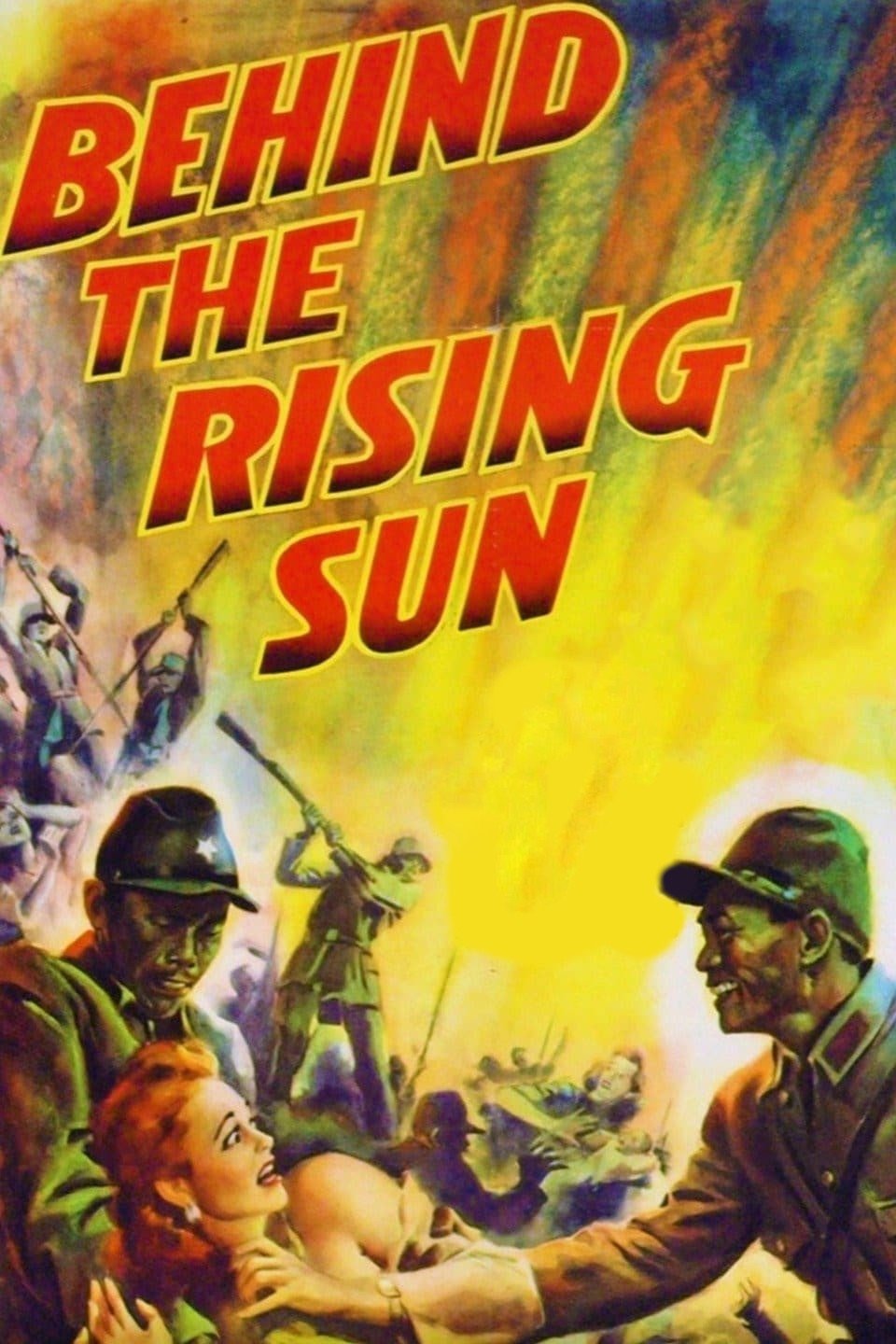
Behind the Rising Sun
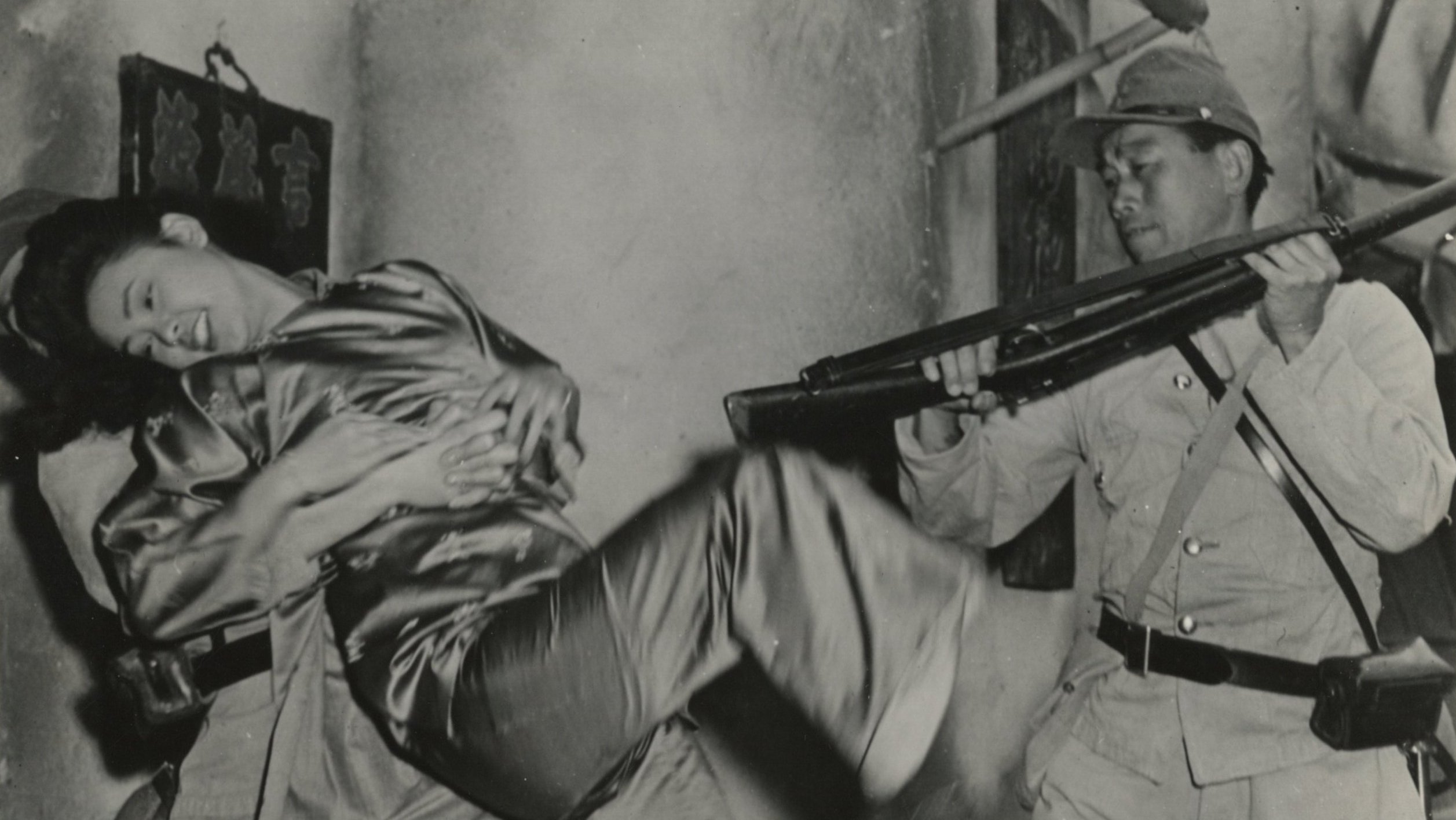
A Japanese publisher urges his American-educated son to side with the Axis.
Insights
Plot Summary
A Japanese-American man, drafted into the US Army, is captured by the Japanese during the attack on Pearl Harbor. He is forced to work for the Japanese government, facing difficult moral choices and the prejudice of both sides. The film explores the challenges of divided loyalties and the impact of war on individuals and families.
Critical Reception
Released during World War II, 'Behind the Rising Sun' was a significant propaganda film for the Allied effort. While praised for its anti-Japanese sentiment at the time, modern critics view it with more nuance, acknowledging its historical context and effectiveness as wartime cinema, though noting its potential for stereotyping.
What Reviewers Say
Effectively conveyed anti-Japanese sentiment during wartime.
Praised for its dramatic tension and exploration of wartime dilemmas.
Considered a notable example of Hollywood's wartime propaganda efforts.
Google audience: Audience reception during its release was largely shaped by wartime patriotism and anti-Axis sentiments. Modern viewers may find its portrayal of Japanese characters and the overall narrative to be dated and influenced by propaganda.
Fun Fact
The film was one of several Hollywood productions during World War II that aimed to shape public opinion and demonize the Axis powers.
AI-generated overview · Verify ratings on official sources