
Movie spotlight
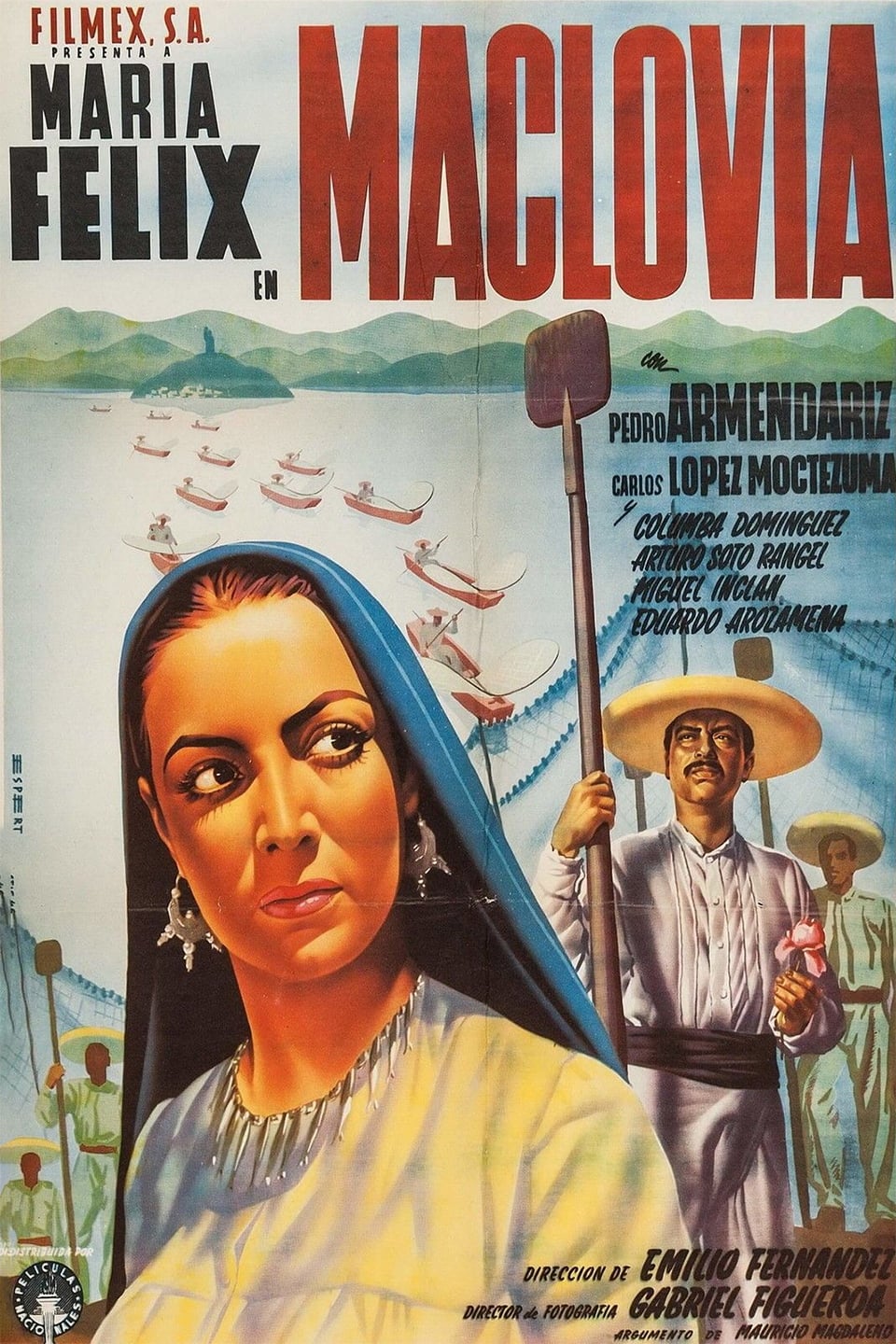
Maclovia
On a small Mexican island dwells a group of Indians who live in the traditional manner and who disdain outsiders. The beautiful Maclovia and the poverty-stricken Jose Maria are in love, but her father refuses to allow their marriage, or even any communication between them, due to Jose Maria's lack of means.
Insights
Plot Summary
In colonial Mexico, Maclovia, a beautiful Tarascan Indian woman, falls in love with the Spanish soldier José María. Her love for him clashes with the deep-seated hatred her people hold for the Spanish due to their historical oppression. This forbidden romance is further complicated by social class and ethnic divides within the community.
Critical Reception
Maclovia is widely considered a significant work in Mexican cinema, praised for its stunning cinematography and powerful performances, particularly from María Félix. It received international recognition, showcasing the beauty of Mexico and delving into themes of love, prejudice, and cultural conflict. While critically acclaimed at the time, its historical context is important for understanding its impact.
What Reviewers Say
Praised for its artistic direction and visual beauty, especially the portrayal of indigenous culture and landscapes.
María Félix delivers a compelling and iconic performance as the conflicted protagonist.
Explores complex themes of love transcending racial and social barriers in a historical setting.
Google audience: Audience reception for Maclovia is largely positive, with viewers often highlighting the film's dramatic narrative and the captivating presence of María Félix. The historical setting and the exploration of intercultural relationships are frequently cited as engaging aspects of the movie.
Awards & Accolades
Nominated for the Palme d'Or at the 1949 Cannes Film Festival.
Fun Fact
The film was shot in the picturesque Pátzcuaro region of Michoacán, Mexico, known for its indigenous Tarascan (Purépecha) culture, which plays a central role in the movie's narrative and visual authenticity.
AI-generated overview · Verify ratings on official sources