
Movie spotlight
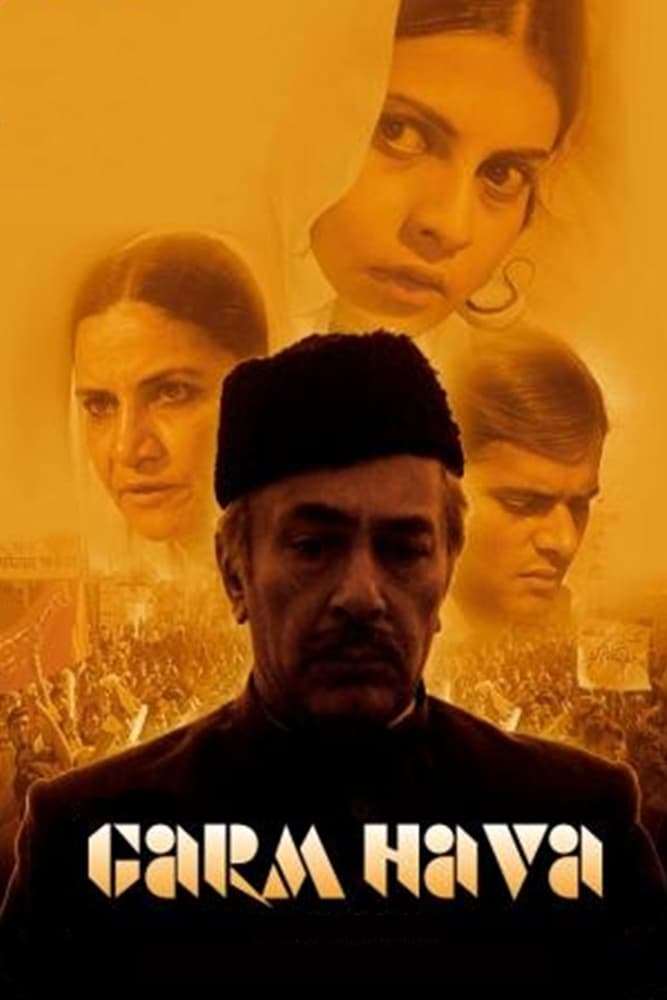
Garm Hava
In post-Partition India, a Muslim businessman and his family struggle for their rights in a country which was once their own.
Insights
Plot Summary
The film follows the struggles of a Muslim family in Agra, India, in the aftermath of the 1947 partition. As communal tensions rise and economic opportunities dwindle, the family patriarch, Salim Mirza, grapples with the decision of whether to stay in India or migrate to Pakistan. The narrative explores the deep personal and societal impact of this historical event on ordinary lives.
Critical Reception
Garm Hava is widely acclaimed as a masterpiece of Indian cinema, lauded for its realistic portrayal of the human cost of the partition and its sensitive depiction of communal harmony. Critics praised its nuanced storytelling, powerful performances, and unflinching look at a turbulent period in India's history. It is considered a landmark film for its social relevance and artistic merit.
What Reviewers Say
Praised for its powerful and realistic depiction of post-partition India.
Commended for its sensitive handling of communal tensions and family dynamics.
Hailed as a significant contribution to socially relevant cinema.
Google audience: Information on Google user reviews for this film is not readily available.
Awards & Accolades
Nominated for the Palme d'Or at the 1974 Cannes Film Festival. Won the National Film Award for Best Feature Film in Hindi.
Fun Fact
The film faced significant censorship issues in India upon its release due to its sensitive portrayal of communal relations, but it was eventually cleared and went on to critical acclaim.
AI-generated overview · Verify ratings on official sources