Movie spotlight
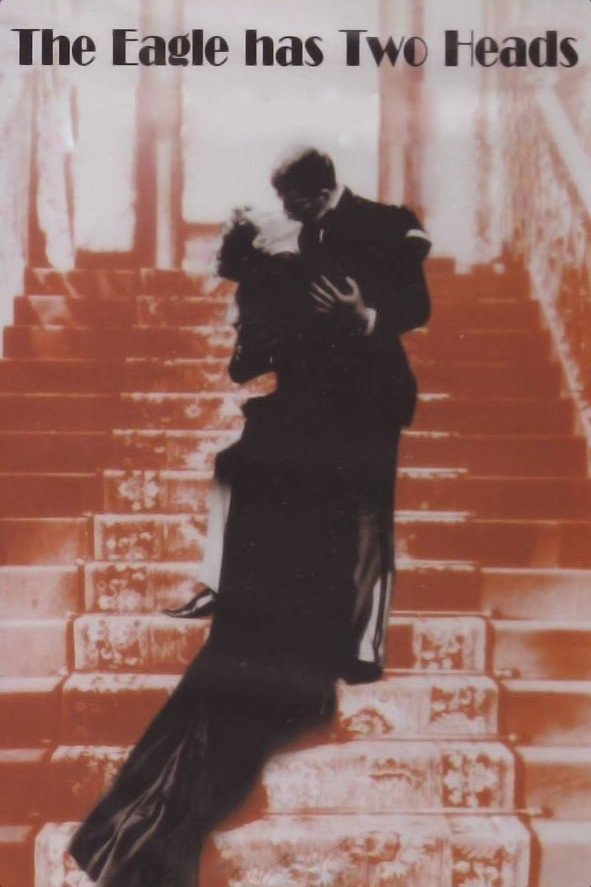
The Eagle with Two Heads
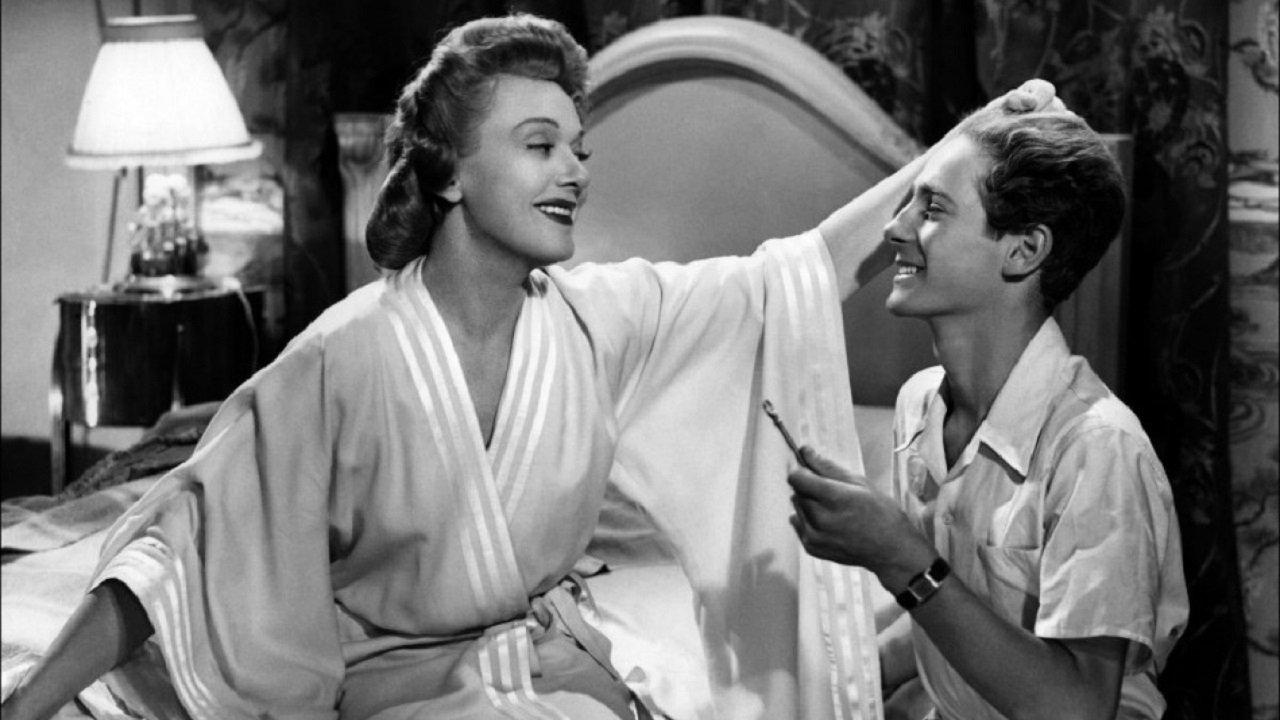
Political intrigue and psychological drama run parallel. The queen is in seclusion, veiling her face for the ten years since her husband's assassination, longing to join him in death. Stanislas, a poet whose pen name is Azrael, is a suicidal anarchist, his imagination haunted into hate by longing for this queen who's drawn apart. He enters her private quarters intent on killing her then himself, but they fall in love, in part because he looks like the king. Stanislas wants her to regain political power by appearing to the public, and she tries to convince him to find hope and escape. All the while, the queen's enemies plot to keep the lovers together but to thwart their plans.
Insights
Plot Summary
In a besieged city, a queen is mourning the death of her husband, who died in battle. She encounters a fugitive poet who reminds her of her deceased love. As the siege intensifies, the queen and the poet find solace in each other, blurring the lines between reality and fantasy. Their unconventional bond becomes a symbol of defiance against the encroaching war.
Critical Reception
Jean Cocteau's 'The Eagle with Two Heads' is a visually striking and thematically rich film that received critical acclaim for its poetic imagery and powerful performances. While some critics found its symbolism dense, many lauded its exploration of love, death, and artistic resistance against the backdrop of war. It is considered a significant work in Cocteau's oeuvre and a notable example of post-war French cinema.
What Reviewers Say
Praised for its striking visual metaphors and poetic dialogue.
Admired for the compelling performances, particularly from Edwige Feuillère.
Noted for its complex exploration of love, grief, and artistic defiance.
Google audience: Information on specific Google user reviews and ratings for 'The Eagle with Two Heads' from 1948 is not readily available.
Fun Fact
The film's iconic setting, a castle under siege, was largely created through theatrical set design and Cocteau's imaginative direction, rather than extensive location shooting, contributing to its surreal and allegorical atmosphere.
AI-generated overview · Verify ratings on official sources