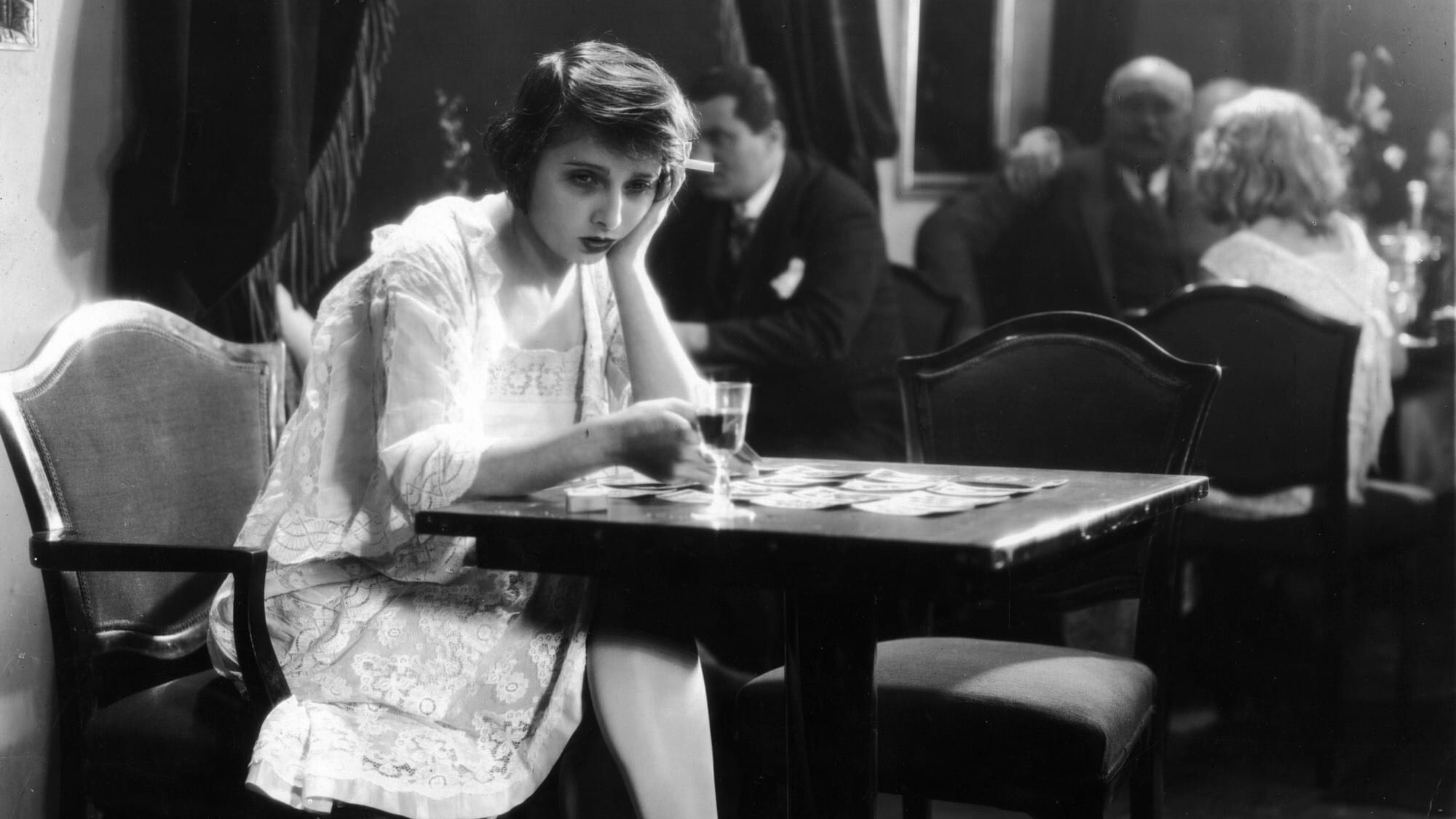

Movie spotlight
Tonka of the Gallows
Melodramatic story of an innocent country girl (Ita Rina) who struggles to make a living in the city as a prostitute. As she provides last service to a murderer sentenced to death (Josef Rovenský), society condemns her and leads her to despair. This groundbreaking film directed by Karel Anton was made in 1930 as the first Czech feature movie with post-synchronised soundtrack, recorded in France. International star cast, sensitive adaptation of Egon Erwin Kisch’s short story and innovative combination of silent and sound film features make this movie an artwork of European significance.
Insights
Plot Summary
Set in post-WWI Hungary, this film tells the story of Tonka, a young woman forced into prostitution and a life of hardship. She navigates the harsh realities of poverty and societal judgment while trying to maintain her dignity and find a semblance of hope. The narrative follows her struggles and the difficult choices she must make to survive in a world that offers little compassion.
Critical Reception
As a film from 1930, specific critical reception details are scarce. However, it is recognized as a significant Hungarian drama that tackles difficult social themes prevalent during its era. Its portrayal of hardship and its focus on a marginalized character likely resonated with audiences and critics concerned with social issues.
What Reviewers Say
A stark depiction of post-war Hungarian society.
Explores the harsh realities faced by women in difficult circumstances.
Notable for its somber tone and dramatic storytelling.
Google audience: Information on Google user reviews for this film is not available due to its age and limited distribution.
Fun Fact
The film is an adaptation of a novel by the same name, written by Géza Gárdonyi, though the novel was published much earlier in 1902.
AI-generated overview · Verify ratings on official sources