Movie spotlight
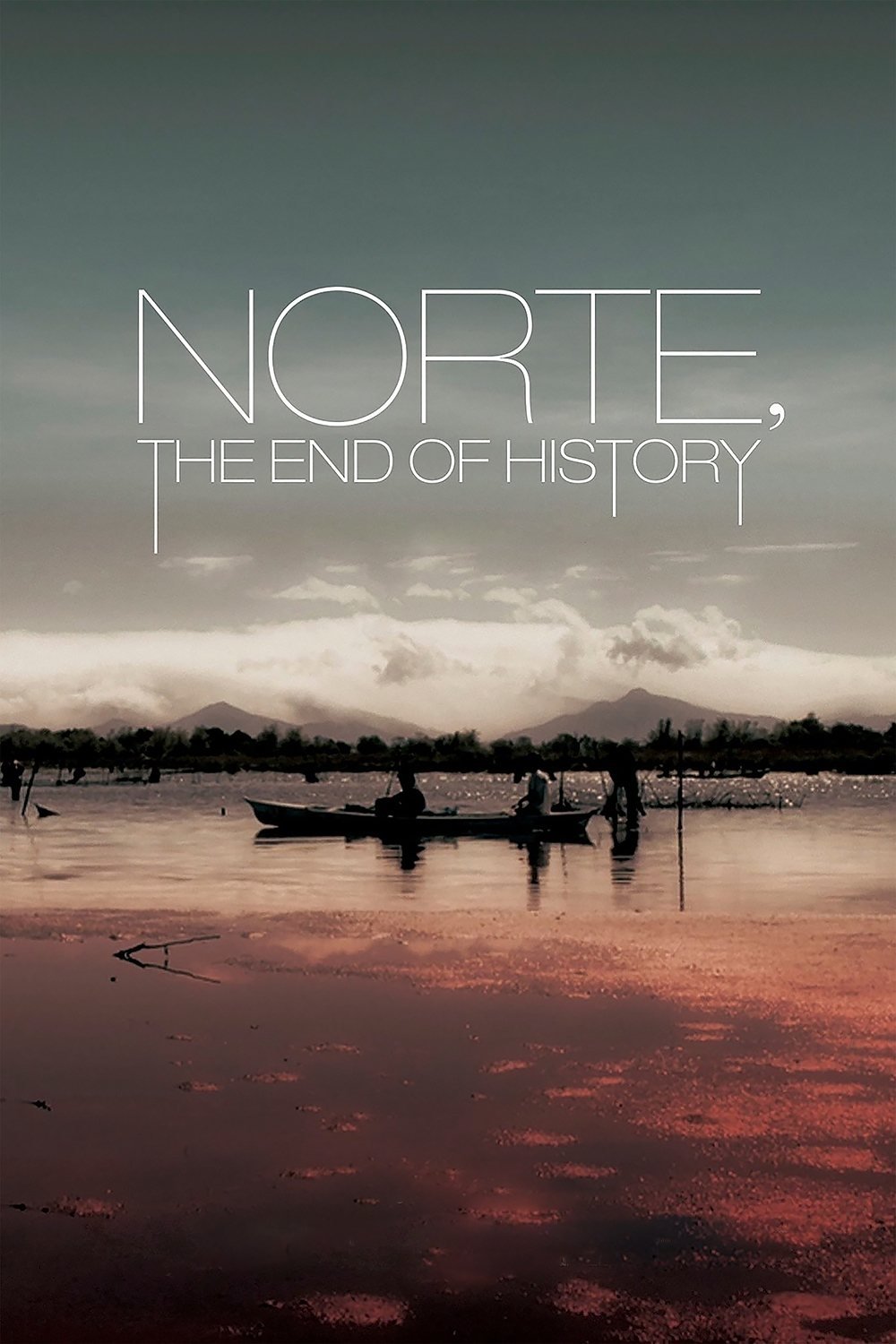
Norte, the End of History
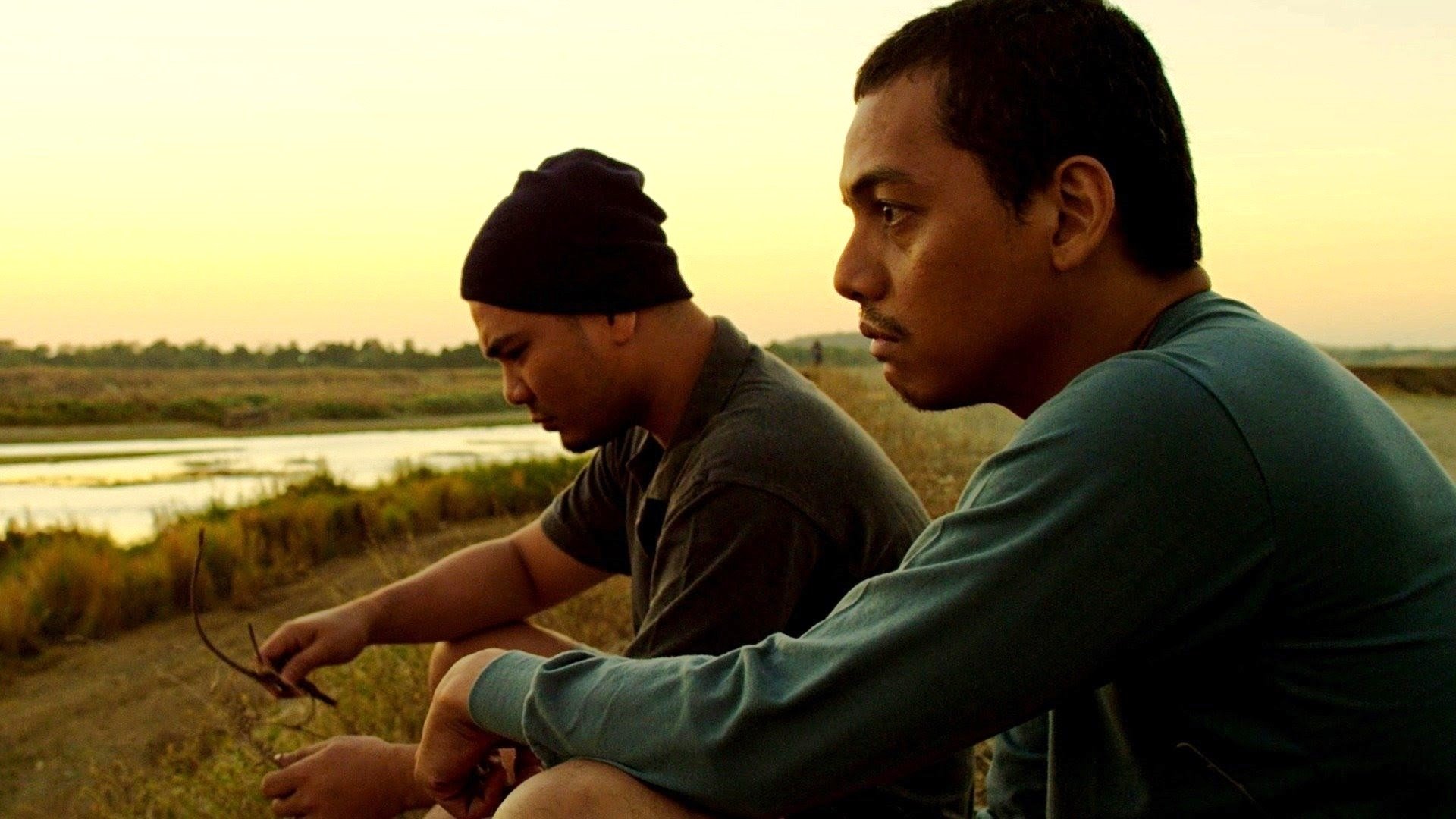
An embittered law student commits a brutal double murder; a family man takes the fall and is forced to take a harsh sentence; and a mother and her two children wander the countryside in search of some kind of redemption.
Insights
Plot Summary
The film explores themes of justice, memory, and societal decay through the story of a law student who commits a murder and the subsequent lives of those affected. Set in the Philippines, it delves into the country's turbulent history and the psychological impact of crime and guilt on individuals and communities. The narrative unfolds with a deliberate pace, examining the consequences of a single act of violence and its ripple effects across different social strata.
Critical Reception
Norte, the End of History received widespread critical acclaim for its ambitious scope, profound themes, and unique cinematic style. Critics lauded Lav Diaz's masterful direction and the film's intellectual depth, though its lengthy runtime was noted as a challenging aspect for some viewers. The movie is regarded as a significant work in contemporary world cinema, praised for its incisive social commentary on the Philippines.
What Reviewers Say
Praised for its philosophical depth and exploration of justice and guilt.
Admired for its epic scope and unique, slow-burn narrative style.
Commended for its powerful social and political commentary on the Philippines.
Google audience: Audiences largely appreciated the film's thought-provoking narrative and its exploration of complex human and societal issues. Many found the film to be a profound and engaging experience, despite its length. Some viewers noted that the deliberate pacing required patience but ultimately found the film rewarding.
Awards & Accolades
Nominated for Un Certain Regard at the 2013 Cannes Film Festival. Won awards at various international film festivals including Best Film at the 2013 Asia Pacific Screen Awards and Best Director at the 2013 Cinemanila International Film Festival.
Fun Fact
The film's title, 'Norte, the End of History,' is a direct reference to Francis Fukuyama's influential book 'The End of History and the Last Man,' suggesting a contemplation of historical trajectories and societal progress in the context of the Philippines.
AI-generated overview · Verify ratings on official sources