Movie spotlight
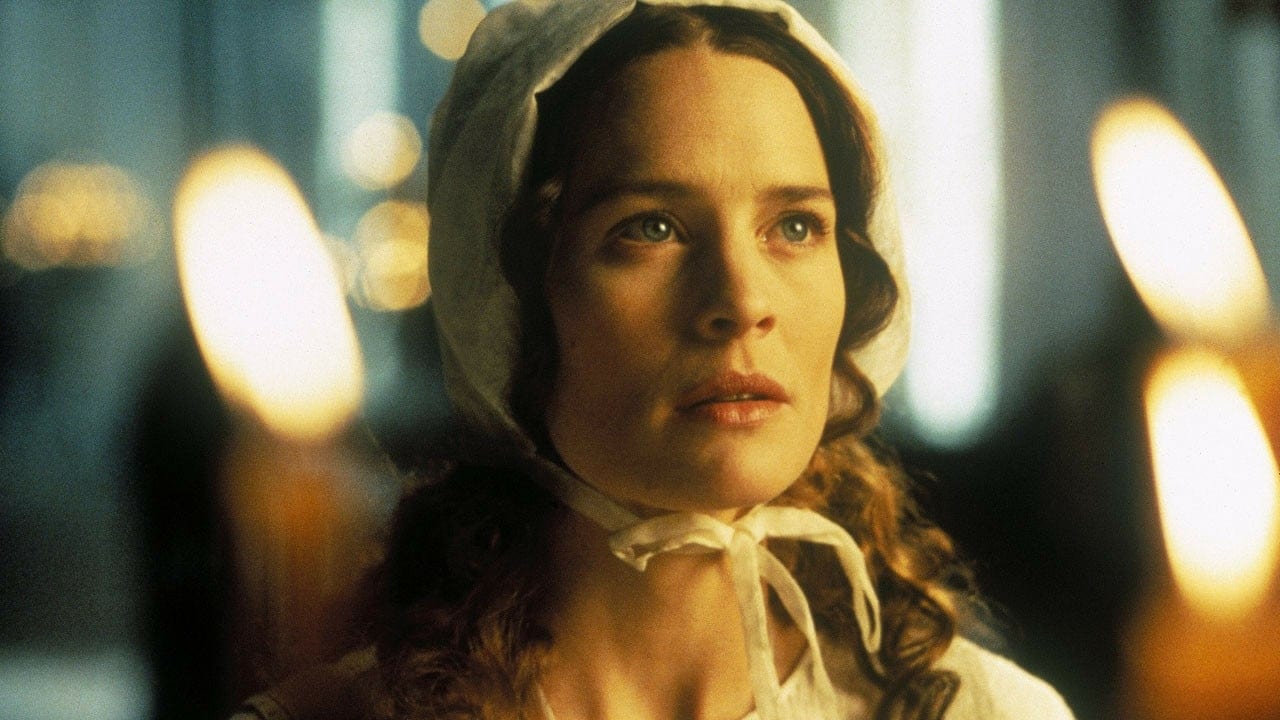
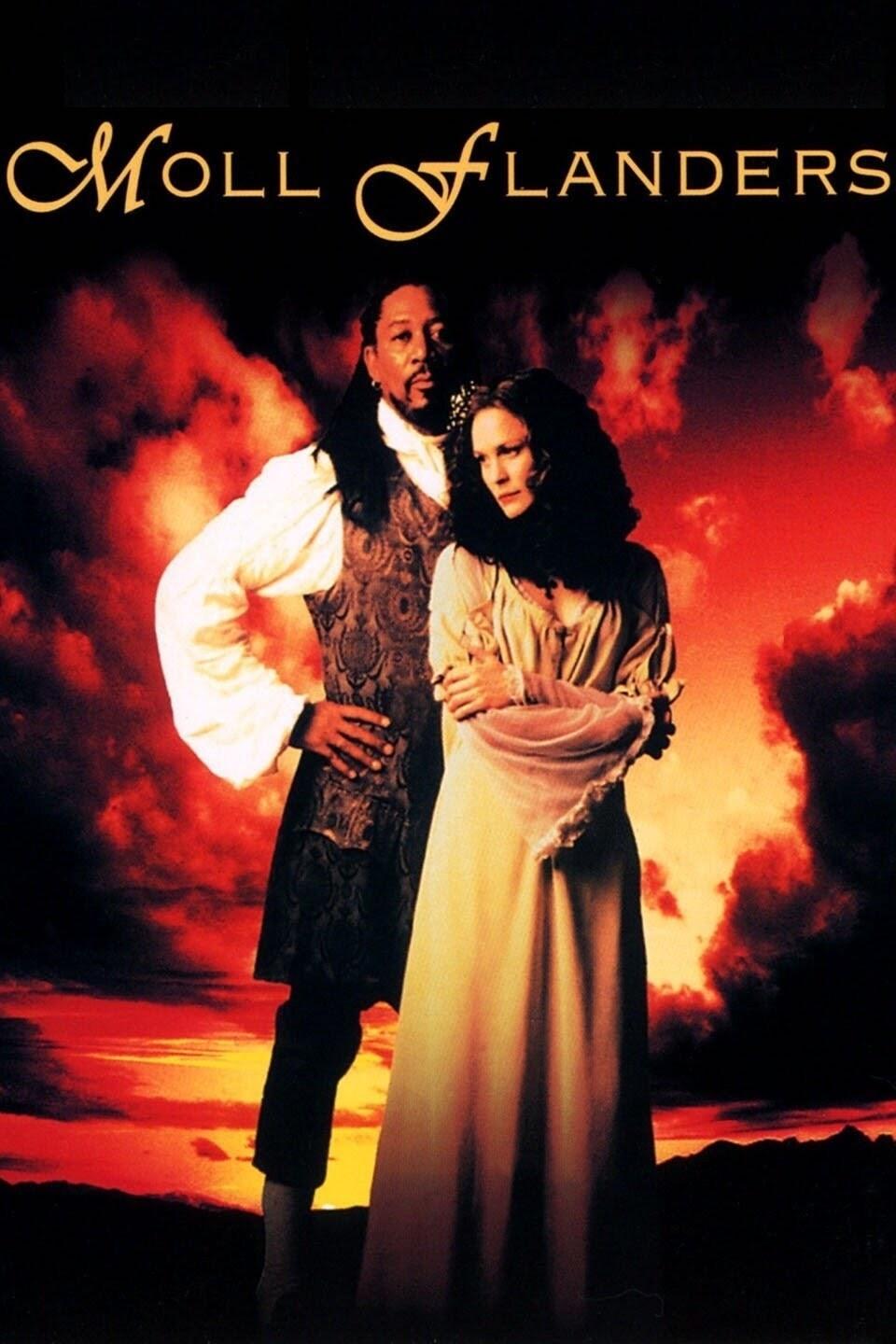
Moll Flanders
The daughter of a thief, young Moll is placed in the care of a nunnery after the execution of her mother. However, the actions of an abusive priest lead Moll to rebel as a teenager, escaping to the dangerous streets of London. Further misfortunes drive her to accept a job as a prostitute from the conniving Mrs. Allworthy. It is there that Moll first meets Hibble, who is working as Allworthy's servant but takes a special interest in the young woman's well-being. With his help, she retains hope for the future, ultimately falling in love with an unconventional artist who promises the possibility of romantic happiness.
Insights
Plot Summary
Orphaned as an infant and raised in a harsh 18th-century workhouse, Moll Flanders escapes her bleak circumstances to pursue a life of wealth and independence. Through a series of marriages and amorous liaisons, she navigates the treacherous social landscape of England, striving to secure her fortune and her freedom against societal expectations.
Critical Reception
Moll Flanders received a mixed to positive reception from critics, with many praising Robin Wright's central performance and the film's lavish production design. However, some found the adaptation to be uneven, struggling to balance the darker themes of Defoe's novel with its more romantic elements. Audience reception was generally favorable, appreciating the strong lead and the engaging narrative.
What Reviewers Say
Praised for Robin Wright's compelling performance as the resilient protagonist.
Lauded for its detailed period costumes and sets, immersing viewers in the 18th century.
Some critics found the narrative pacing inconsistent, particularly in its adaptation of the source material.
Google audience: Audience reviews generally highlight Robin Wright's excellent portrayal of Moll Flanders and found the film to be an entertaining and visually rich historical drama. Many appreciated the story's focus on a strong female character overcoming adversity.
Fun Fact
The film's screenplay was written by Pulitzer Prize-winning author and playwright Arthur Miller, his last screenwriting credit.
AI-generated overview · Verify ratings on official sources