Movie spotlight
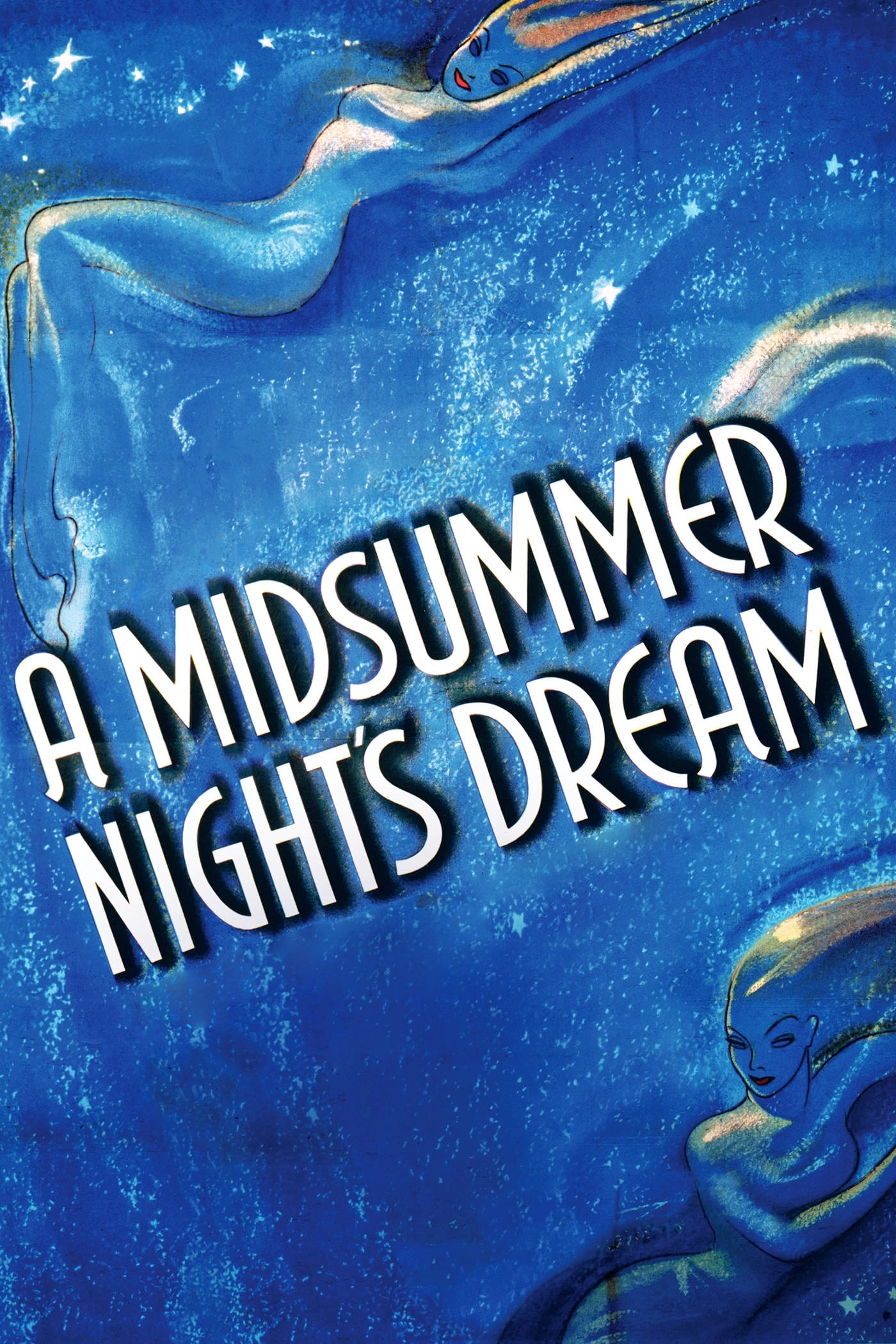
A Midsummer Night's Dream
Four young people escape Athens to a forest where the king and queen of the fairies are quarreling, while meanwhile, a troupe of amateur actors rehearses a play. When the fairy Puck uses a magic flower to make people fall in love, the whole thing becomes a little bit confused...
Insights
Plot Summary
In ancient Athens, Duke Theseus plans his wedding to Hippolyta. Meanwhile, four young lovers flee into an enchanted forest, only to be caught in the whimsical meddling of fairies. Oberon and Puck's mischievous magic leads to comical mix-ups, mistaken identities, and hilarious chaos among the lovers and a troupe of amateur actors preparing a play.
Critical Reception
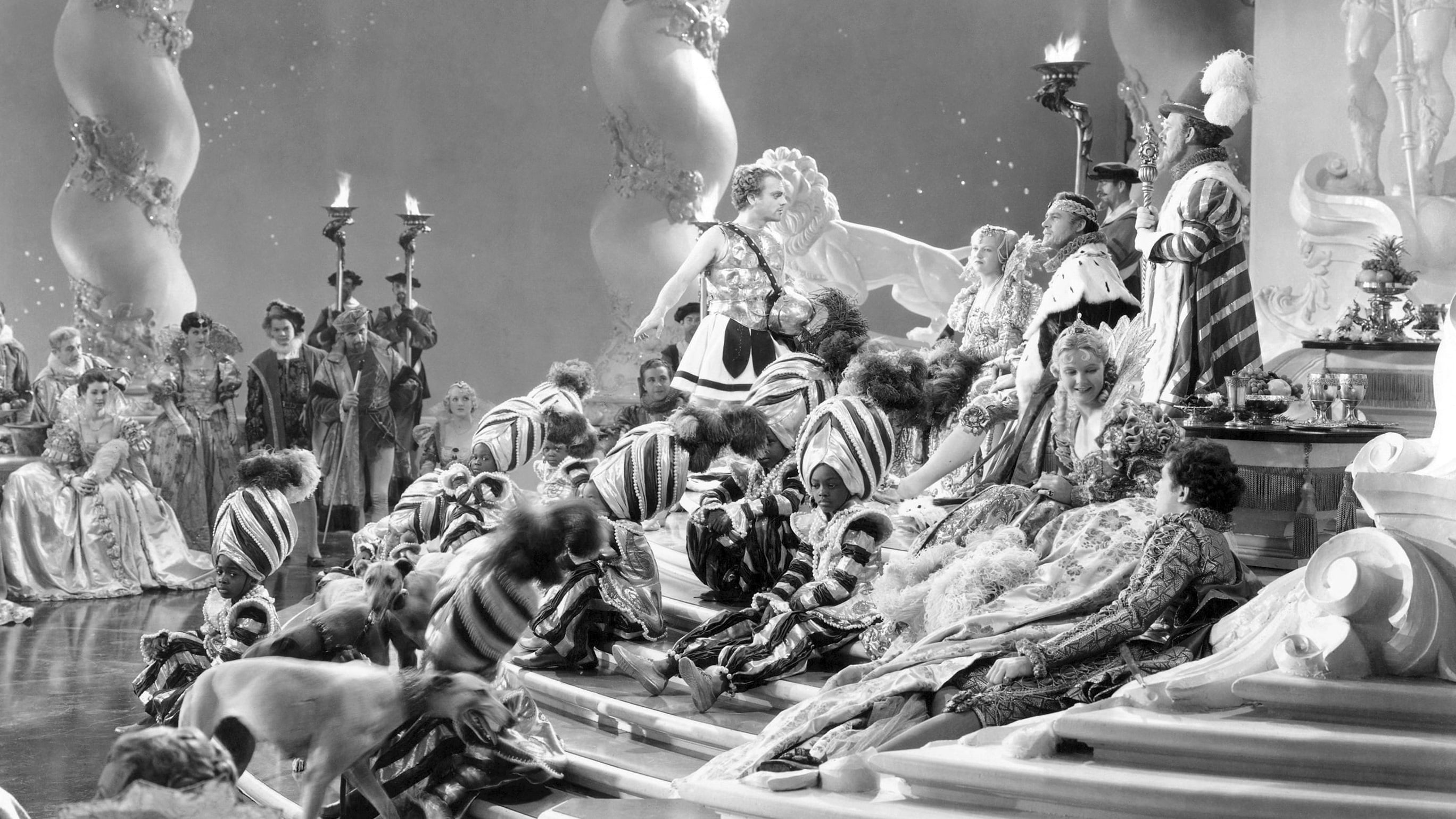
The 1935 adaptation of 'A Midsummer Night's Dream' was a visually stunning and ambitious production for its time, praised for its lavish sets, elaborate costumes, and imaginative depiction of the fairy world. While some found its theatricality a bit dated, it was generally well-received for its faithfulness to Shakespeare's text and its enchanting atmosphere, becoming a notable cinematic interpretation of the beloved play.
What Reviewers Say
Praised for its grand, dreamlike visuals and faithful adaptation of Shakespeare.
Noted for its theatrical style and impressive fairy realm design.
Some found the performances and tone a bit uneven, but appreciated the overall spectacle.
Google audience: Audience reception information for this classic film is not readily available through standard Google user review aggregation.
Awards & Accolades
Nominated for the Academy Award for Best Picture, Best Film Editing, and Best Scoring.
Fun Fact
The film was a massive undertaking, with over 1,000 extras employed for the forest scenes, and the elaborate sets and costumes were designed to create a truly magical and otherworldly atmosphere.
AI-generated overview · Verify ratings on official sources