
Movie spotlight
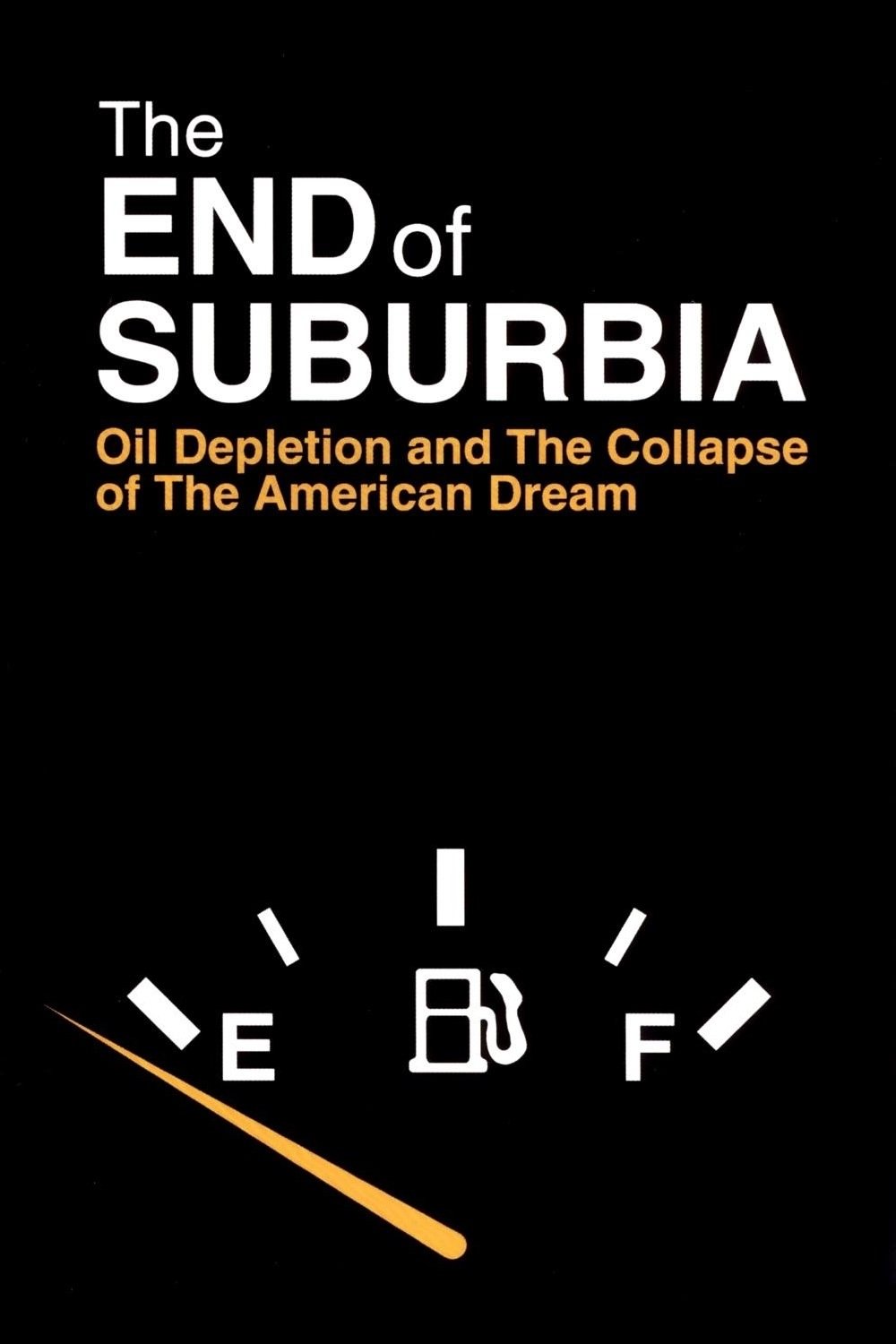
The End of Suburbia: Oil Depletion and the Collapse of the American Dream
Since World War II North Americans have invested much of their newfound wealth in suburbia. It has promised a sense of space, affordability, family life and upward mobility. As the population of suburban sprawl has exploded in the past 50 years Suburbia, and all it promises, has become the American Dream. But as we enter the 21st century, serious questions are beginning to emerge...
Insights
Plot Summary
This documentary explores the potential consequences of peak oil and its impact on modern society, particularly the American way of life. It examines how our reliance on fossil fuels has shaped suburban sprawl and consumer culture. The film argues that as oil becomes scarcer and more expensive, the economic and social structures built upon cheap energy are unsustainable. It poses critical questions about our future and the need for adaptation.
Critical Reception
The End of Suburbia was widely praised for its timely and thought-provoking examination of peak oil and its implications. Critics noted its effective use of interviews with experts and its stark portrayal of potential future challenges. While some found the tone to be alarmist, many agreed with its core message about energy dependence and the need for societal change.
What Reviewers Say
Praised for its urgent warning about peak oil and its societal impacts.
Critiqued by some for its potentially alarmist tone, but acknowledged for its important message.
Seen as a compelling look at the unsustainability of current energy consumption patterns.
Google audience: Information not available.
Fun Fact
The film features interviews with prominent figures in the peak oil movement, including James Howard Kunstler, author of 'The Long Emergency'.
AI-generated overview · Verify ratings on official sources