
Movie spotlight
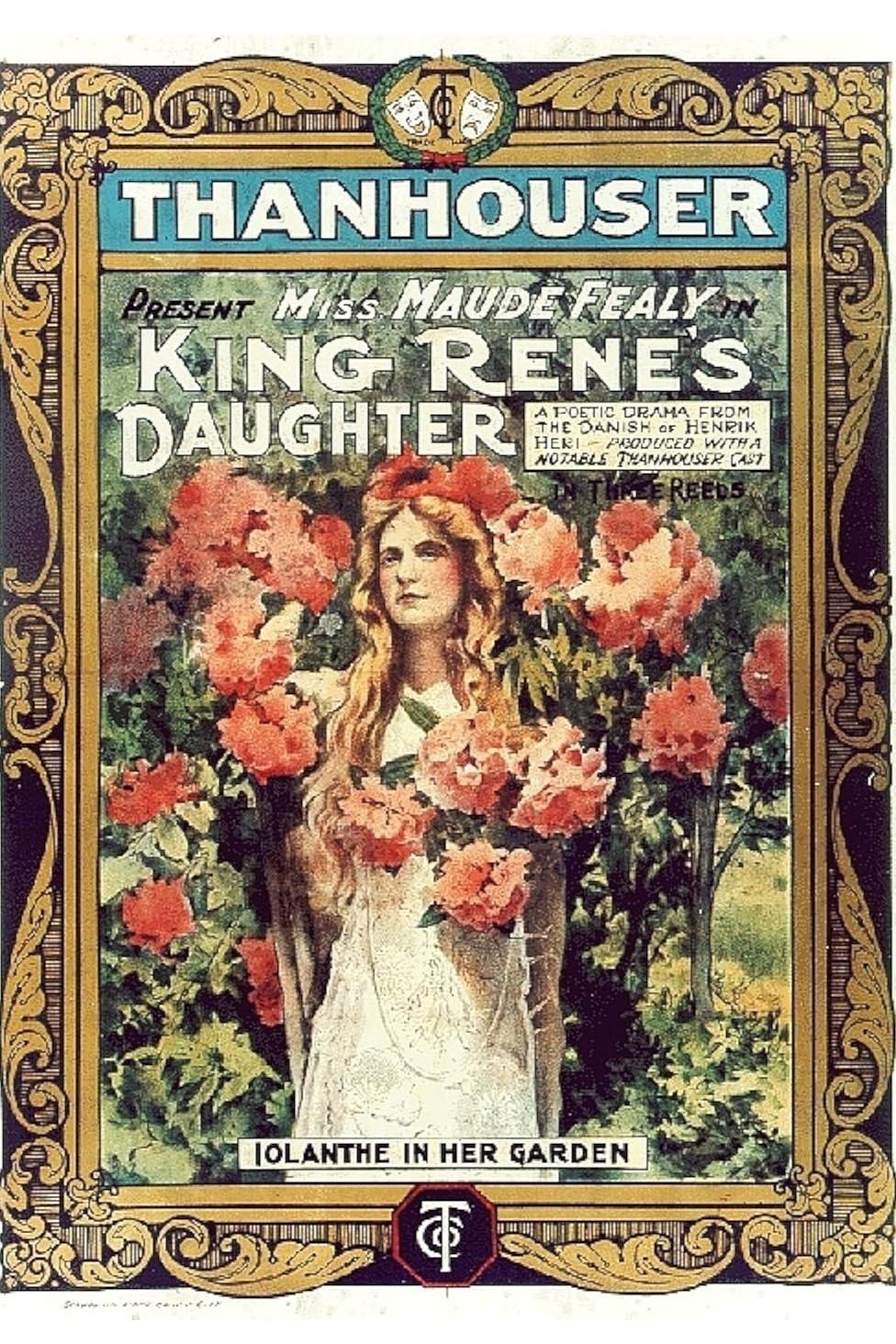
King Rene’s Daughter
This elaborate and well-staged silent version of Hertz' play is exceedingly well produced for 1913: it starts off by introducing the actors by name and role, then showing them in double exposure in street clothes and in costumes. The production values are also elaborate and the look of the set designs reminds one of the elaborate backdrops that Melies used in his shots.
Insights
Plot Summary
This silent film adaptation tells the story of King Rene of Provence and his daughter Yolande, who is kept in seclusion due to a magical enchantment that makes her blind. A knight, Vaudemont, falls in love with her and seeks a way to break the spell.
Critical Reception
As a silent film from 1913, specific critical reception details are scarce. However, films of this era often focused on spectacle and melodramatic storytelling, which would have been present in 'King Rene's Daughter'. It is known as an early example of Italian cinema.
What Reviewers Say
An early example of a visually-oriented silent film.
Features a classic fairy tale narrative with a touch of fantasy.
Represents a notable effort in early Italian filmmaking.
Google audience: Information on Google user reviews for this 1913 film is not available.
Fun Fact
The film is based on the 1845 Danish play of the same name by Henrik Hertz, which itself was inspired by an earlier French opera.
AI-generated overview · Verify ratings on official sources