
Secret Tibet
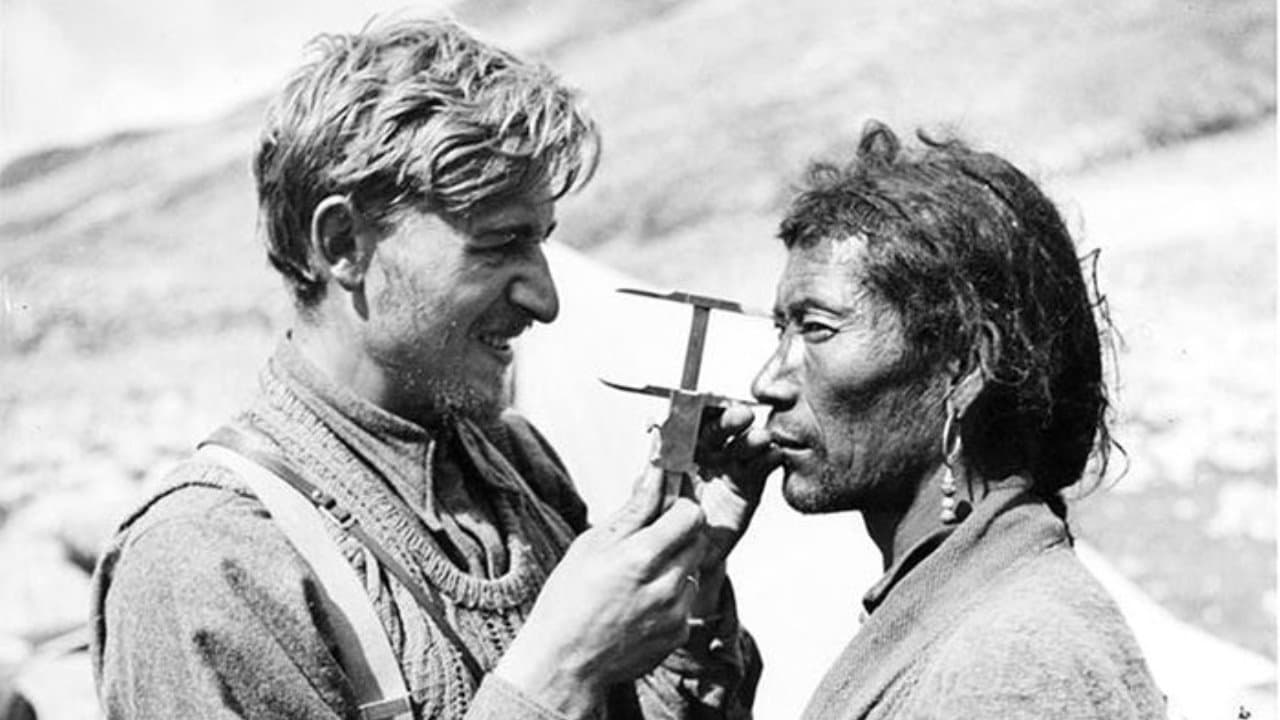
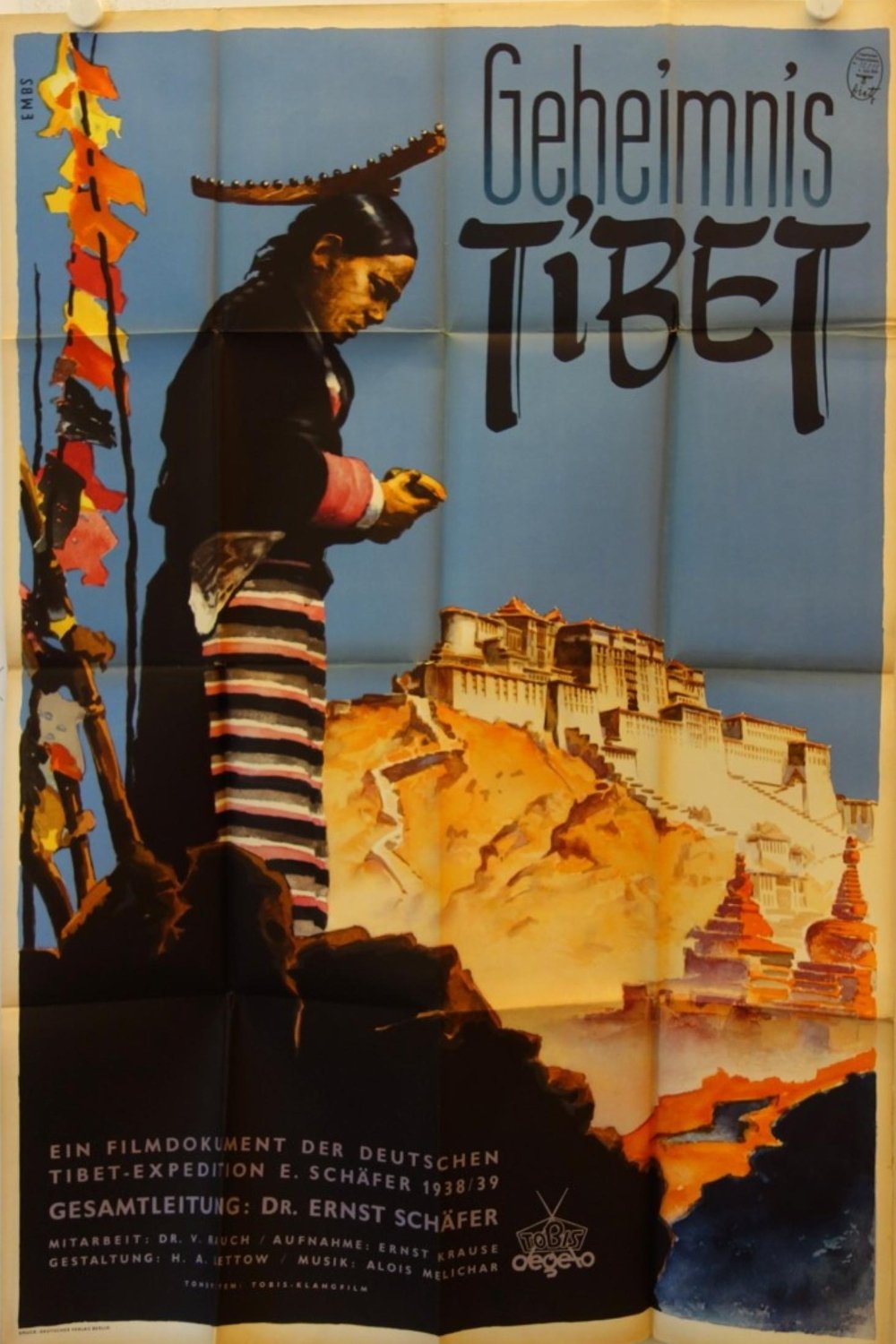
In 1938 Nazi leader Heinrich Himmler sponsored an expedition to Tibet lead by several Nazi SS scientists to study the regions flora and fauna, and to take scientific measurements of the Earths magnetic fields. The expedition was also sent to find traces of the orgins of the "Aryan" race in Tibet which was where Himmler thought evidence of could be found. This film is a Nazi era documentary of that expedition.
Insights
Plot Summary
This documentary offers a rare glimpse into Tibet during the 1930s, a period when the country was largely closed off to the outside world. It follows the expedition of German ethnologist Ernst Schäfer, capturing the unique culture, landscape, and wildlife of this remote region. The film presents stunning cinematography of ancient monasteries, traditional customs, and the challenges of life in the high Himalayas.
Critical Reception
As a documentary from 1943 focusing on a relatively unknown region, detailed critical reception is scarce. However, its historical significance lies in its early, extensive visual documentation of Tibetan life and culture from a Western perspective.
What Reviewers Say
- Offers an unusual and historically significant look at Tibet before its modern transformations.
- Valuable for its early ethnographic and visual documentation of a secluded society.
- The film provides a unique, albeit dated, perspective on Tibetan traditions and landscape.
Google audience: Information on Google user reviews for this historical documentary is not readily available.
Fun Fact
The expedition depicted in 'Secret Tibet' was led by Ernst Schäfer, a German ethnologist and hunter who later became a controversial figure due to his association with the Nazi regime, though the film itself focuses purely on ethnographic and naturalistic observation.
AI-generated overview · Verify ratings on official sources