Olympia Part Two: Festival of Beauty

Olympia Part Two: Festival of Beauty

1938Movie104 minGerman

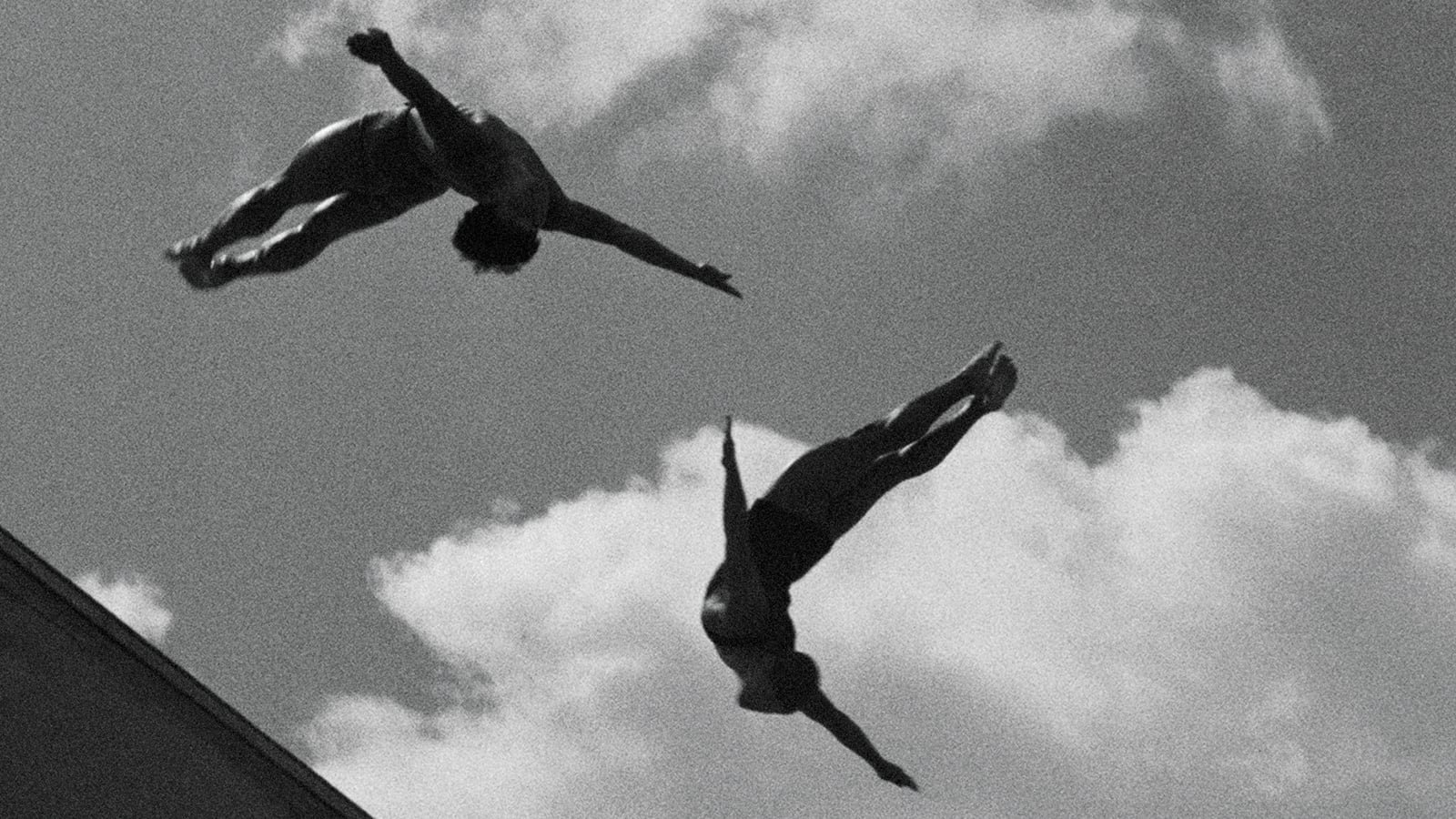
Part two of Leni Riefenstahl's monumental examination of the 1938 Olympic Games, the cameras leave the main stadium and venture into the many halls and fields deployed for such sports as fencing, polo, cycling, and the modern pentathlon, which was won by American Glenn Morris.

Read Reviews

Insights

IMDb7.1/10
Rotten Tomatoes94%
Director: Leni RiefenstahlGenres: Documentary, Sport

Plot Summary

This second part of Leni Riefenstahl's documentary focuses on the artistic and aesthetic aspects of the 1936 Berlin Olympics. It showcases the beauty of the human form in athletic competition, with a particular emphasis on the grace and power of the athletes. The film highlights various events through slow-motion cinematography and stylized compositions, aiming to present an idealized vision of sport and national pride.

Critical Reception

Upon its release, 'Olympia Part Two: Festival of Beauty' was lauded for its groundbreaking cinematic techniques and artistic vision, particularly its use of innovative camera work and editing to capture the dynamism of sports. However, its association with the Nazi regime and its propagandistic undertones have led to a complex and often critical reception in retrospect, with many acknowledging its technical brilliance while condemning its ideological context.

What Reviewers Say

  • Praised for its revolutionary cinematography and athletic portrayal.
  • Acknowledged as a masterpiece of sports documentary filmmaking.
  • Criticized for its clear Nazi propaganda and glorification of the regime.

Google audience: Audience reception is not widely available or cataloged through Google's platform for this historical documentary. However, general sentiment often echoes critical views, appreciating the film's visual artistry while remaining acutely aware of its political context.

Awards & Accolades

Won awards at the Venice Film Festival (Coppa Littorio) in 1938 and was lauded at the Paris Exposition.

Fun Fact

Leni Riefenstahl employed a team of 45 cameramen and used experimental camera techniques, including underground cameras and cranes, to capture the events of the 1936 Olympics.

AI-generated overview · Verify ratings on official sources

My Review