Movie spotlight
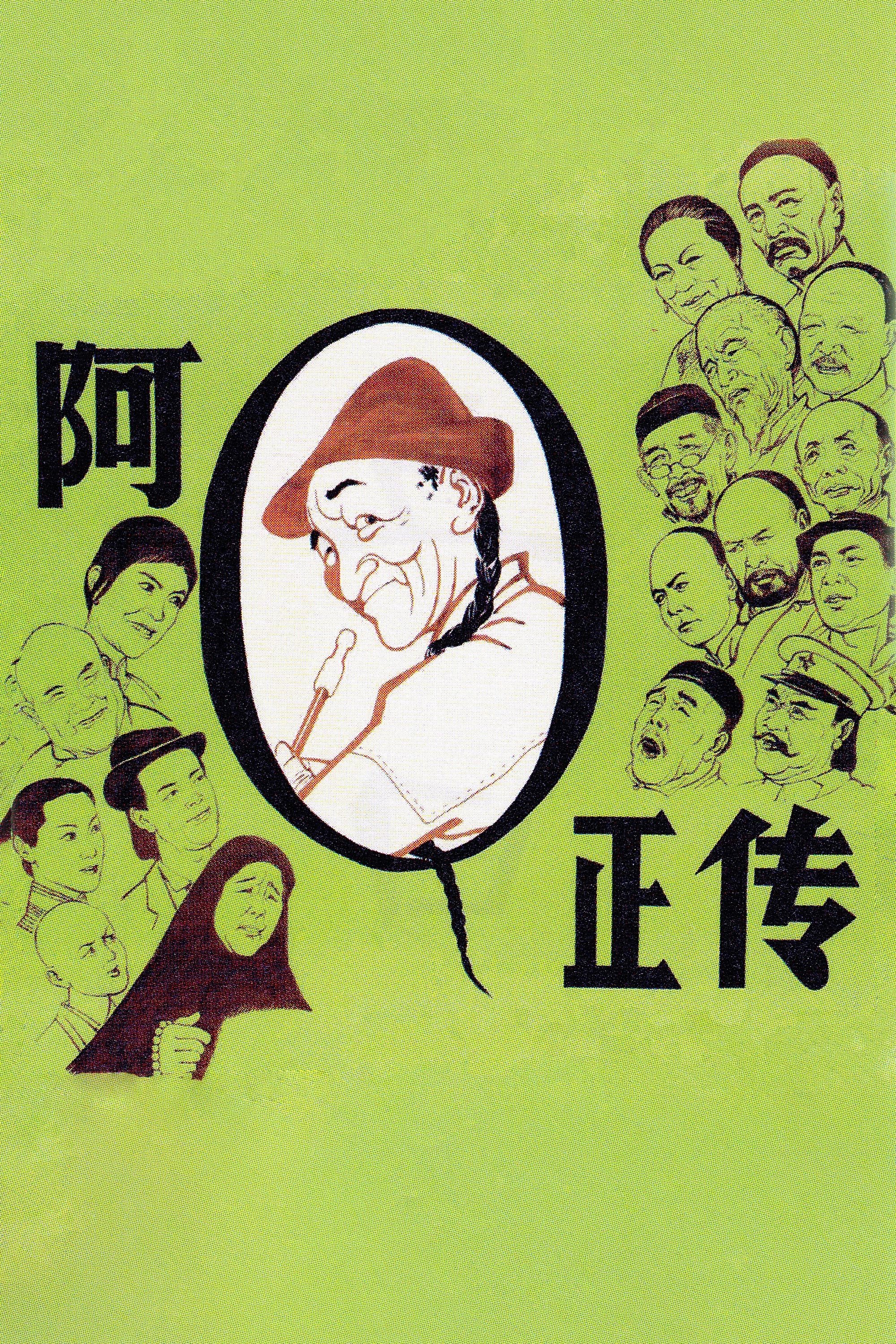
The True Story of Ah Q
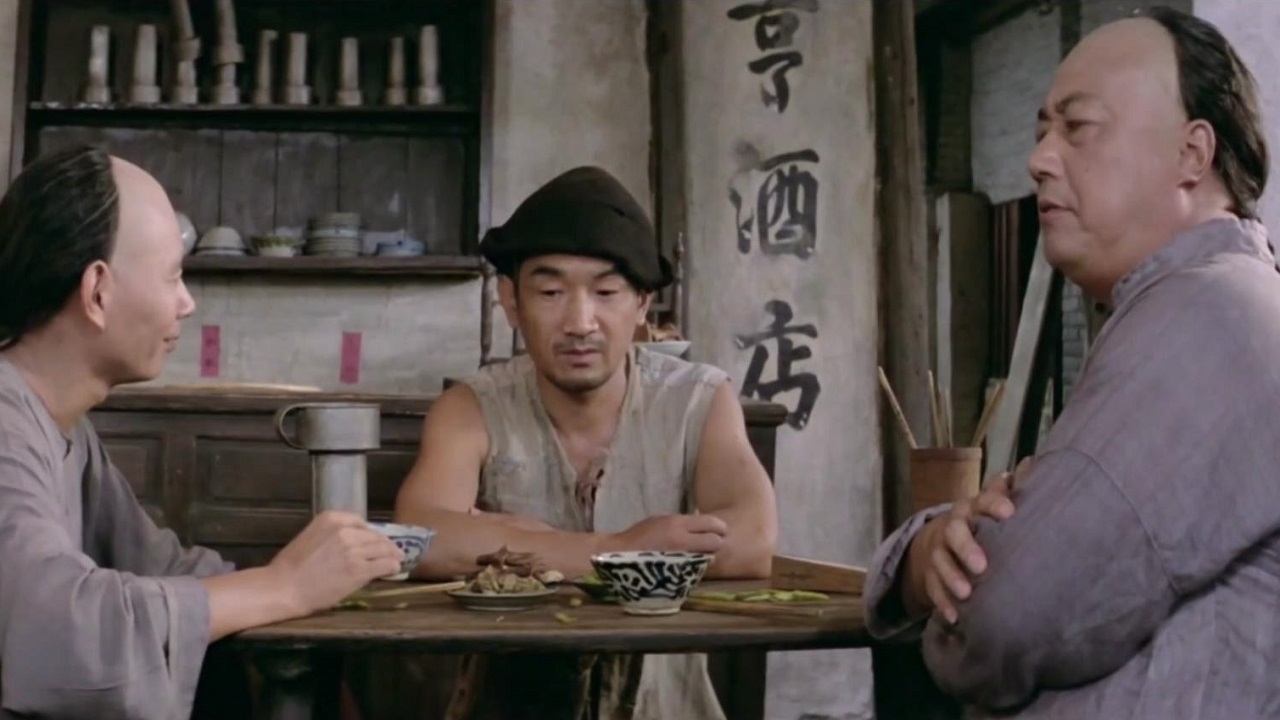
Based on the 1921 novella of the same name by one of China's most well-known modern writers, Lu Xun (Lu Hsun), the True Story of Ah Q is set during the 1911 revolution. Ah Q is a lowly peasant who wants to rise above his class, or at least get out of his grinding poverty. At first he thinks the way to do it is by marrying into a better station in life; later, he joins the revolution as he feels that is the only way he and others like him can transcend poverty. In this film version of Lu Xun's story, the character of Ah Q might benefit from a more rounded humanity to make him appealing to those not familiar with the harsh environment in China before the 1911 revolution.
Insights
Plot Summary
Set during the turbulent Warlord Era in China, this film is a poignant adaptation of Lu Xun's satirical novella. It follows the titular character, Ah Q, a peasant with a delusional sense of superiority despite his impoverished and often humiliating life. Ah Q constantly seeks self-validation through petty victories and imagined triumphs, often at the expense of those around him. His journey is a tragicomic exploration of national character and the pervasive impact of social injustice.
Critical Reception
The film received significant critical acclaim, particularly for its artistic direction and profound thematic exploration. It was recognized for its faithful yet cinematic interpretation of Lu Xun's seminal work, offering a stark portrayal of Chinese society and the human condition during a period of immense upheaval. While a critical success, its challenging themes and artistic style may have limited its broader audience appeal.
What Reviewers Say
Praised for its visually striking cinematography and atmospheric depiction of rural China.
Commended for its insightful portrayal of a complex and often unlikeable protagonist.
Applauded as a significant work of Chinese cinema, offering a critical look at societal flaws.
Google audience: Information regarding specific Google user reviews for this film is not readily available.
Fun Fact
The film was directed by Chen Kaige, who would later go on to win the Palme d'Or at the Cannes Film Festival for his 1993 film 'Farewell My Concubine', making him the first Chinese director to achieve this honor.
AI-generated overview · Verify ratings on official sources