
Movie spotlight
The Sword of Doom
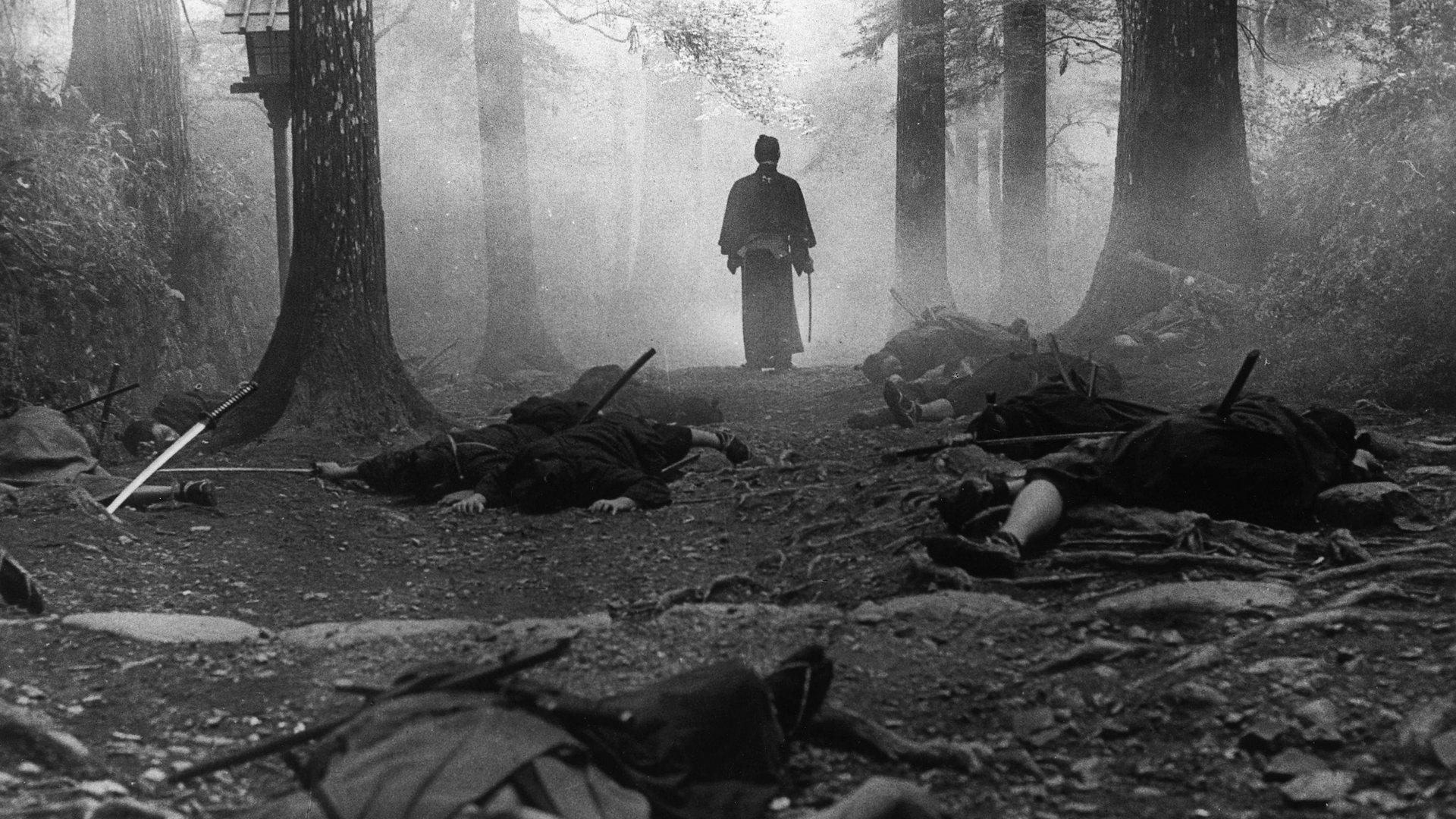
Ryunosuke, a gifted swordsman plying his trade during the turbulent final days of Shogunate rule, has no moral code and kills without remorse. It’s a way of life that leads to madness.
Insights
Plot Summary
Ryunosuke Tsukue is a master swordsman driven by a nihilistic philosophy and a profound sense of self-loathing. His exceptional skill with a sword leads him down a path of violence and destruction, leaving a trail of bodies and broken lives in his wake. As he continues his bloody journey, he grapples with his inner demons and the consequences of his actions, ultimately facing his own mortality.
Critical Reception
The Sword of Doom is widely regarded as a masterpiece of Japanese cinema, celebrated for its dark and complex portrayal of a morally ambiguous protagonist. Critics lauded its stunning cinematography, intense swordplay, and Tatsuya Nakadai's powerhouse performance. It is often cited as one of the greatest samurai films ever made, offering a profound exploration of human nature and the destructive potential of unchecked ambition.
What Reviewers Say
A visually stunning and thematically rich samurai epic.
Tatsuya Nakadai delivers a career-defining performance as a deeply flawed anti-hero.
The film's bleak tone and philosophical depth set it apart from typical action fare.
Google audience: Audiences praise the film's masterful direction, intense action sequences, and the compelling, albeit dark, character study. Many find the film's artistic merit and philosophical undertones to be its greatest strengths, making it a thought-provoking and visually striking experience.
Fun Fact
The film's original ending was changed to be more ambiguous and bleak, reflecting the philosophical themes of the story, a decision that has been highly praised by critics and scholars.
AI-generated overview · Verify ratings on official sources