
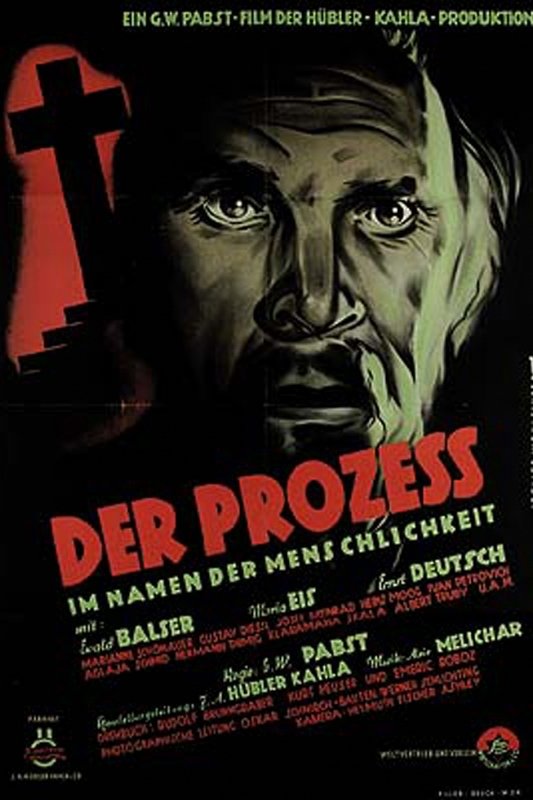
Movie spotlight
The Trial
In 1882 a country girl disappears from a small Hungarian village. The inhabitants suggest that she was murdered by the Jews. Everything is done to accuse them before the trial. A study in stubbornness, racism and intolerance and how to fight against it.
Insights
Plot Summary
Josef K., a diligent bank official, is suddenly arrested one morning and informed that he is to be tried by a mysterious and inaccessible court. Despite his efforts to uncover the charges against him and navigate the labyrinthine legal system, Josef remains perpetually on the verge of understanding his alleged crime. The film follows his increasingly desperate and surreal attempts to prove his innocence, leading to an inevitable and tragic conclusion.
Critical Reception
Orson Welles's adaptation of Franz Kafka's novel is a visually stunning and thematically complex film that has garnered significant critical acclaim over the years for its direction, atmosphere, and performances. While it was not a commercial success upon its initial release, its reputation has grown, and it is now considered a masterpiece of existential cinema.
What Reviewers Say
Praised for its nightmarish atmosphere and Welles's distinctive visual style.
Lauded for its intelligent and faithful adaptation of Kafka's dense novel.
Recognized for its powerful performances, particularly Welles himself.
Google audience: Audience reviews often highlight the film's unsettling mood and thought-provoking themes, though some find its surreal nature challenging.
Fun Fact
Orson Welles famously stated that he considered "The Trial" to be the best film he had ever made.
AI-generated overview · Verify ratings on official sources