
Movie spotlight
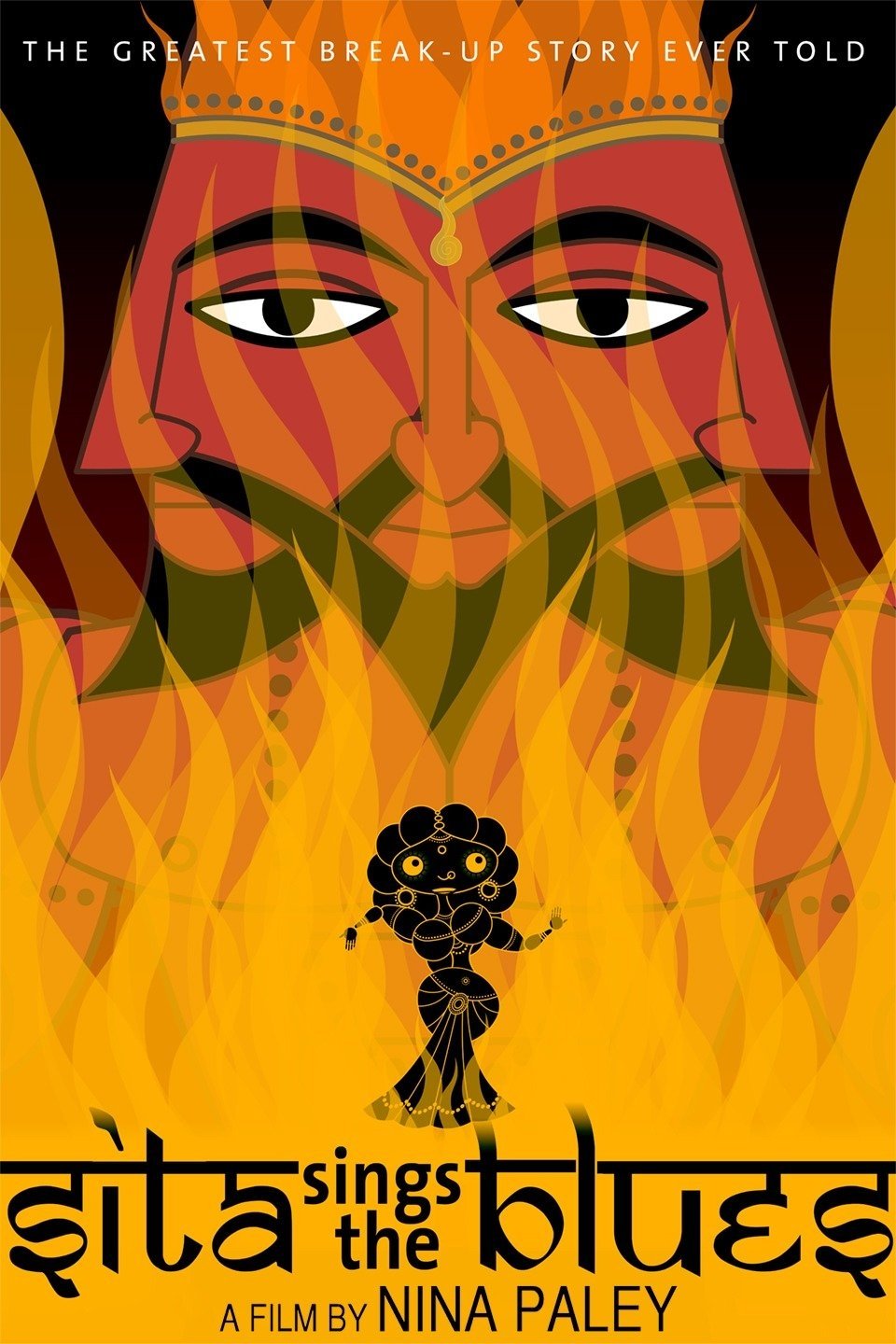
Sita Sings the Blues
Utilizing the 1920s jazz vocals of Annette Hanshaw, the epic Indian tale of exiled prince Ramayana and his bride Sita is mirrored by a spurned woman's contemporary personal life, and light-hearted but knowledgeable discussion of historical background by a trio of Indian shadow puppets.
Insights
Plot Summary
This animated musical comedy offers a unique interpretation of the Ramayana epic. It follows the story of Sita, abandoned by her husband Rama, as she finds solace and self-discovery through the songs of Annette Hanshaw. The film interweaves ancient mythology with a personal narrative of heartbreak and resilience, set against vibrant Indian backdrops.
Critical Reception
Sita Sings the Blues received widespread critical acclaim for its innovative animation, unique storytelling, and heartfelt musical numbers. Critics lauded its bold fusion of cultural narratives and personal experience, often highlighting its charm and emotional resonance.
What Reviewers Say
Praised for its audacious blend of ancient Indian mythology and a personal story of heartbreak.
Celebrated for its distinctive animation style and the use of Annette Hanshaw's jazz songs.
Commended for its sensitive exploration of love, loss, and self-discovery through a unique cultural lens.
Google audience: Audiences largely appreciated the film's inventive approach to storytelling and its emotional depth, finding it both entertaining and thought-provoking. Some found the unconventional narrative structure and cultural fusion to be particularly engaging.
Awards & Accolades
Won numerous awards including the Audience Award at the Ottawa International Animation Festival and the FIPRESCI Prize at the Jerusalem Film Festival. Nominated for Best Independent Animation at the Annie Awards.
Fun Fact
The film's unique distribution model involved Nina Paley making it freely available online, including on the Internet Archive, while also selling DVDs and screening it theatrically.
AI-generated overview · Verify ratings on official sources