
Movie spotlight
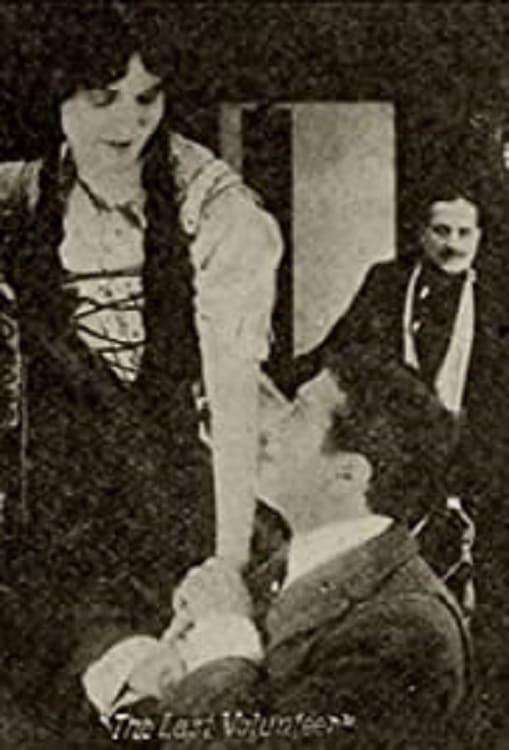
The Last Volunteer
While traveling incognito through his kingdom, Prince Ludwig of Saxe-Tholberg becomes infatuated with Katrina, the daughter of innkeeper Hermann Ardelheim, but their idyll is interrupted by the arrival of a courier bearing the news that Austrania has threatened war. Katrina is heartbroken to discover the identity of her sweetheart whom she can never hope to marry. After Ludwig's departure, Katrina overhears the plotting of two spies and with the help of her brother Roalf, she confronts them. In the ensuing struggle, Katrina kills one of them, who turns out to be the Austranian ambassador. Although Katrina admits her crime, Marshal von Trump plans to execute Roalf in order to pacify the Austranians. Katrina appeals to Ludwig, who pardons Roalf over the advice of his counselors causing Austrania to declare war. A crucial battle is fought near the Ardelheim inn, during which Katrina becomes a heroine by signaling the advance of Ludwig's troops.
Insights
Plot Summary
The film tells the story of a young man who is the last to volunteer for service in the war, facing the societal pressure and personal turmoil that comes with his decision. He grapples with duty, patriotism, and the harsh realities of conflict as he leaves behind his loved ones to fight for his country.
Critical Reception
As a silent film from 1914, specific critical reception data is scarce. However, films of this era often focused on patriotic themes and dramatic narratives, aiming to evoke strong emotional responses from audiences. It likely played into the prevailing sentiments of national pride and the sacrifices made during wartime.
What Reviewers Say
Melodramatic portrayal of wartime sacrifice.
Emphasizes themes of duty and patriotism.
Likely resonated with audiences during a period of global conflict.
Google audience: Audience reception data from 1914 is not available in modern formats. However, films with similar themes of war and heroism were generally popular during this period.
Fun Fact
This film was released during the early stages of World War I, a period when cinema was increasingly used to reflect and shape public opinion on national and international events.
AI-generated overview · Verify ratings on official sources