Movie spotlight
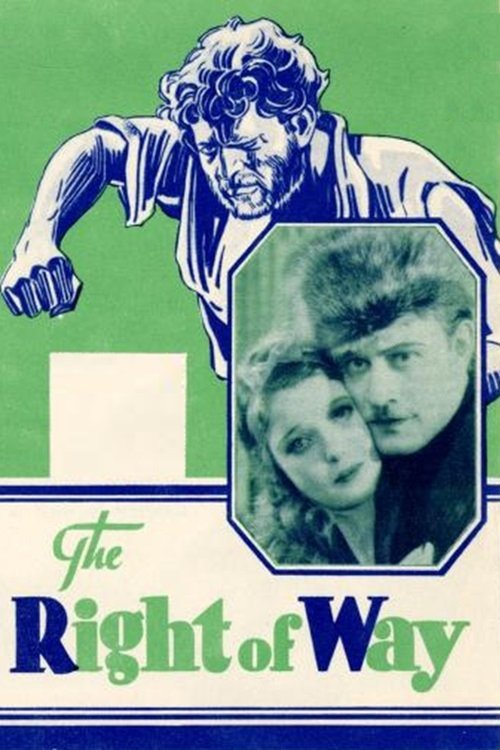
The Right of Way
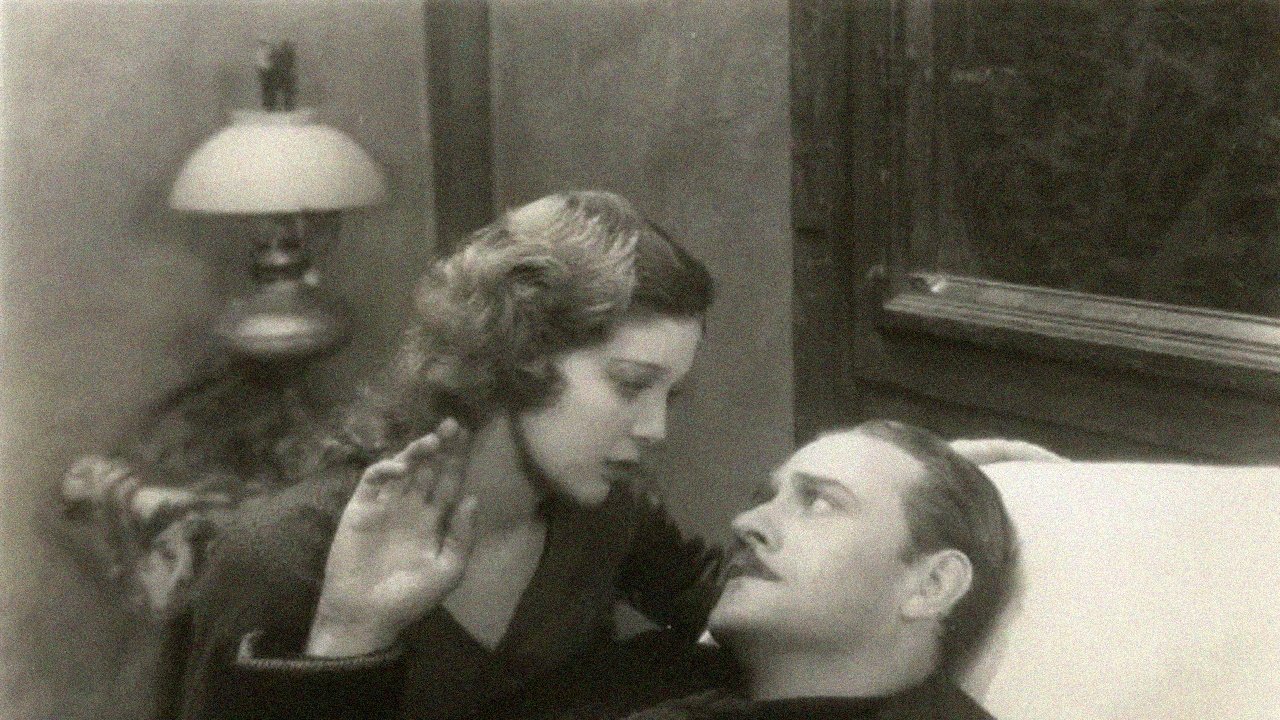
Snobbish attorney Charles 'Beauty' Steele loses his wife due to his drinking and his airs at the same time that his brother-in-law absconds with funds belonging to one of Steele's clients. In search of the thief, Steele is attacked and left for dead. He is rescued by a kindly couple, but suffers from amnesia. He starts life afresh and is happy, until the return of his memory sends him back to resolve his old involvements.
Insights
Plot Summary
A young woman elopes with a handsome stranger, only to discover he is a scoundrel who abandons her. She is then forced to make difficult choices to survive and provide for her child. The story follows her struggles and eventual rise from poverty, highlighting themes of resilience and societal judgment in the early 20th century.
Critical Reception
As an early talkie, "The Right of Way" was generally well-received for its dramatic content and performances, though like many films of its era, its technical aspects and narrative pacing might appear dated to modern viewers. It was considered a solid melodrama that resonated with audiences of the time.
What Reviewers Say
Praised for its dramatic intensity and emotional performances.
Considered a strong example of early sound film melodrama.
The narrative explores themes of sacrifice and societal challenges.
Google audience: Information on Google user reviews for this specific 1930 film is not readily available, making it difficult to summarize audience sentiment from that platform.
Fun Fact
Although a fairly standard melodrama for its time, 'The Right of Way' was notable for being one of the earlier films to feature a significant talking role for its lead actress, Lila Lee, showcasing advancements in synchronized sound technology.
AI-generated overview · Verify ratings on official sources