
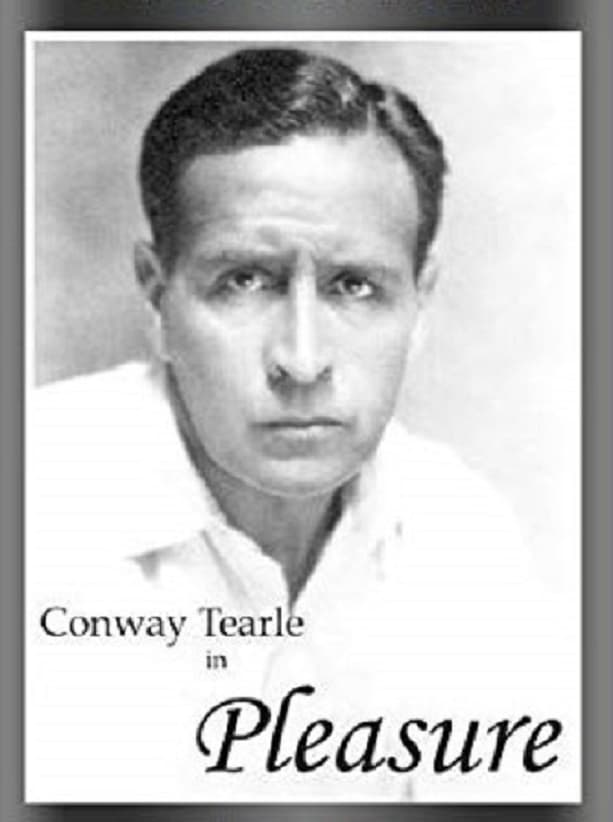
Movie spotlight
Pleasure
A novelist and his younger brother fall in love with the same woman.
Insights
Plot Summary
A young woman from a rural background comes to the city seeking excitement and a better life. She becomes entangled with a wealthy socialite and a struggling musician, navigating the complexities of love, ambition, and disillusionment in the bustling urban landscape. Her journey explores the gap between naive aspirations and the harsh realities of city life.
Critical Reception
Released during the early years of sound cinema, 'Pleasure' received mixed to positive reviews, with many critics highlighting its melodramatic elements and the performances of its lead actors. While praised for its emotional depth and thematic exploration of societal divides, some found its narrative somewhat conventional for the era. It is considered a notable, though not universally acclaimed, entry in Frank Borzage's filmography.
What Reviewers Say
Praised for its emotional sincerity and Borzage's direction.
Performances, particularly from Mary Duncan, were often highlighted.
Some found the plot predictable, despite its dramatic elements.
Google audience: Audience reception data for 'Pleasure' (1931) is largely unavailable. However, contemporary reviews suggest that while the film offered emotional resonance and strong performances, its narrative arc may not have been groundbreaking for its time.
Fun Fact
Despite being directed by Frank Borzage, an Academy Award-winning director known for his romantic dramas, 'Pleasure' is one of his lesser-discussed films, overshadowed by his more prominent works like '7th Heaven' and 'Bad Girl'.
AI-generated overview · Verify ratings on official sources