
Movie spotlight
The Dresden Doll
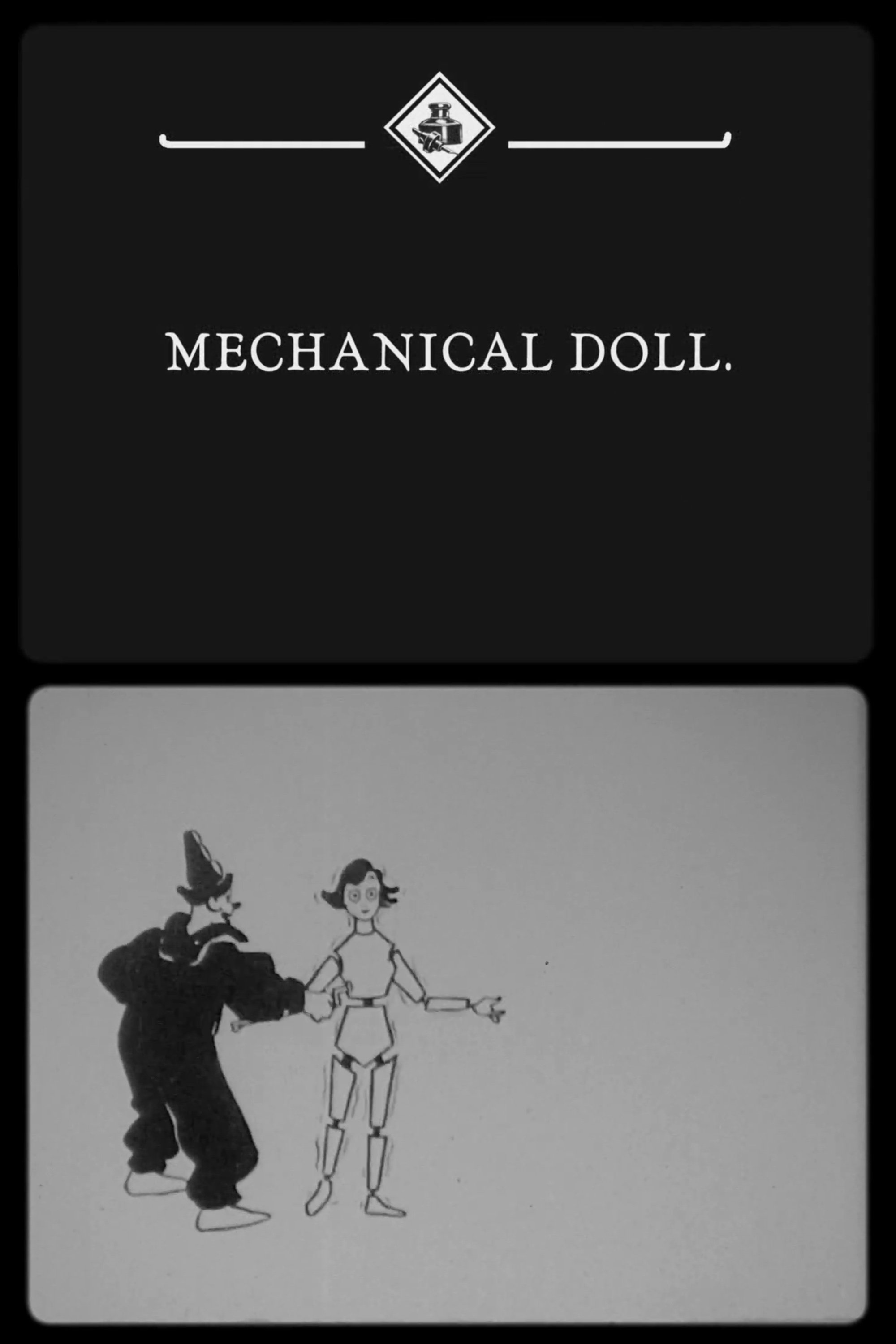
In this one, Max has run low on ink, so Ko-Ko finishes drawing himself and then heads over to the camera room, where he creates his own characters, a mechanical dancing Dresden doll with whom he falls in love and a couple of automaton musicians. He gets rid of the musicians, but, alas, the projectionist gets oil onto Ko-Ko's soon-to-be bride, melting her.
Insights
Plot Summary
As a silent film from 1922, specific plot details for 'The Dresden Doll' are scarce in public records. However, titles from this era often explored themes of societal constraints, burgeoning emotions, and the consequences of actions within dramatic narratives. It likely depicted a compelling human story without dialogue, relying on visual storytelling and intertitles.
Critical Reception
Information regarding the critical reception of 'The Dresden Doll' from 1922 is not readily available in modern databases. Silent films from this period often had varying receptions, with some being celebrated for their artistic merit and others fading into obscurity. Without contemporary reviews, it's difficult to ascertain its specific impact.
What Reviewers Say
Information not available due to the age of the film and lack of digitized reviews.
Likely varied, as was common for films of its era.
Focus would have been on visual storytelling and acting performance.
Google audience: As a silent film from 1922, there are no available Google user reviews or summaries for 'The Dresden Doll'. Audience reactions from that time were primarily recorded through word-of-mouth and local newspaper critiques, which are not accessible through current digital platforms.
Fun Fact
Due to its age and the nature of silent film distribution and preservation in the early 20th century, 'The Dresden Doll' is considered a lost film, meaning no known copies currently exist.
AI-generated overview · Verify ratings on official sources