
Movie spotlight
Lourdes
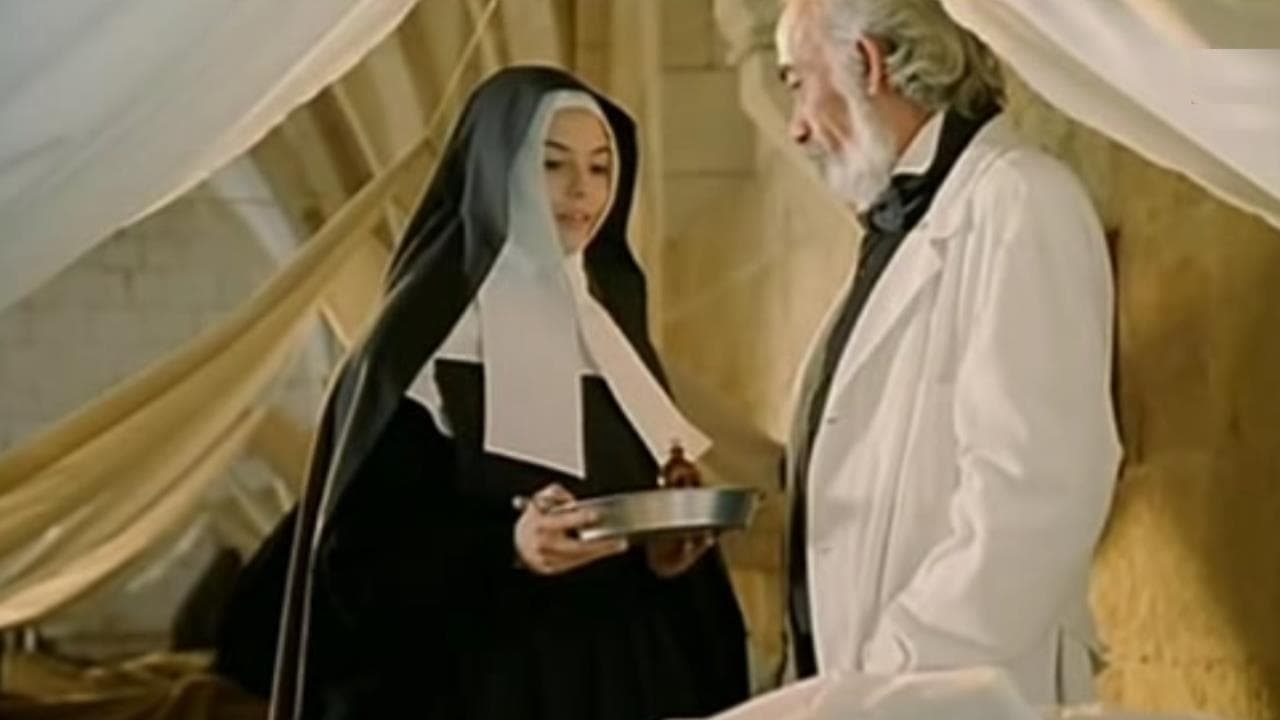
The young, sickly girl Bernadette comes from a poverty-stricken family. When the Virgin Mary appears to her in a cavern near Lourdes, no one takes the girl seriously, even when she digs up a wellspring at the Virgin's instructions The local authorities even try to hush up the entire incident. In vain, however, because when Empress Eugénie requests water from the spring for her sickly son, they are forced to acquiesce. And even the local priest is finally convinced. While taking his tuberculosis-stricken fiancé Claire to a sanatorium, the young doctor Henri Guillaumet meets Bernadette. The water from Lourdes' spring heals Claire's disease overnight, but the scientist in Henri doubts the miracle and wants to expose Bernadette as a liar. It is not until Henri again meets Bernadette, who has in the meantime become a nun and works as a nurse, that he finds a way to balance belief and modern science. And his love for Claire is strengthened as well.
Insights
Plot Summary
A young woman from a humble background infiltrates a wealthy family by posing as a distant relative. As she becomes entangled in their lives, she uncovers dark secrets and must confront her own ambitions and desires. The film explores themes of class, deception, and the search for identity within a Spanish setting.
Critical Reception
Lourdes received a mixed to positive reception from critics, with praise for its performances and intriguing plot, though some found the pacing uneven. Audience reactions were generally favorable, appreciating the dramatic tension and character development.
What Reviewers Say
Praised for its compelling narrative of social climbing and deception.
Appreciated for the strong performances, particularly from the lead actress.
Some critics noted a lack of depth in exploring the characters' motivations.
Google audience: Audience reviews were generally positive, highlighting the engaging storyline and the twists and turns that kept viewers invested. Some viewers found the ending to be somewhat predictable.
Fun Fact
The film was part of the 'Cine de barrio' (Neighborhood Cinema) programming on Spanish television, indicating its status as a culturally relevant Spanish production.
AI-generated overview · Verify ratings on official sources