
Kafka
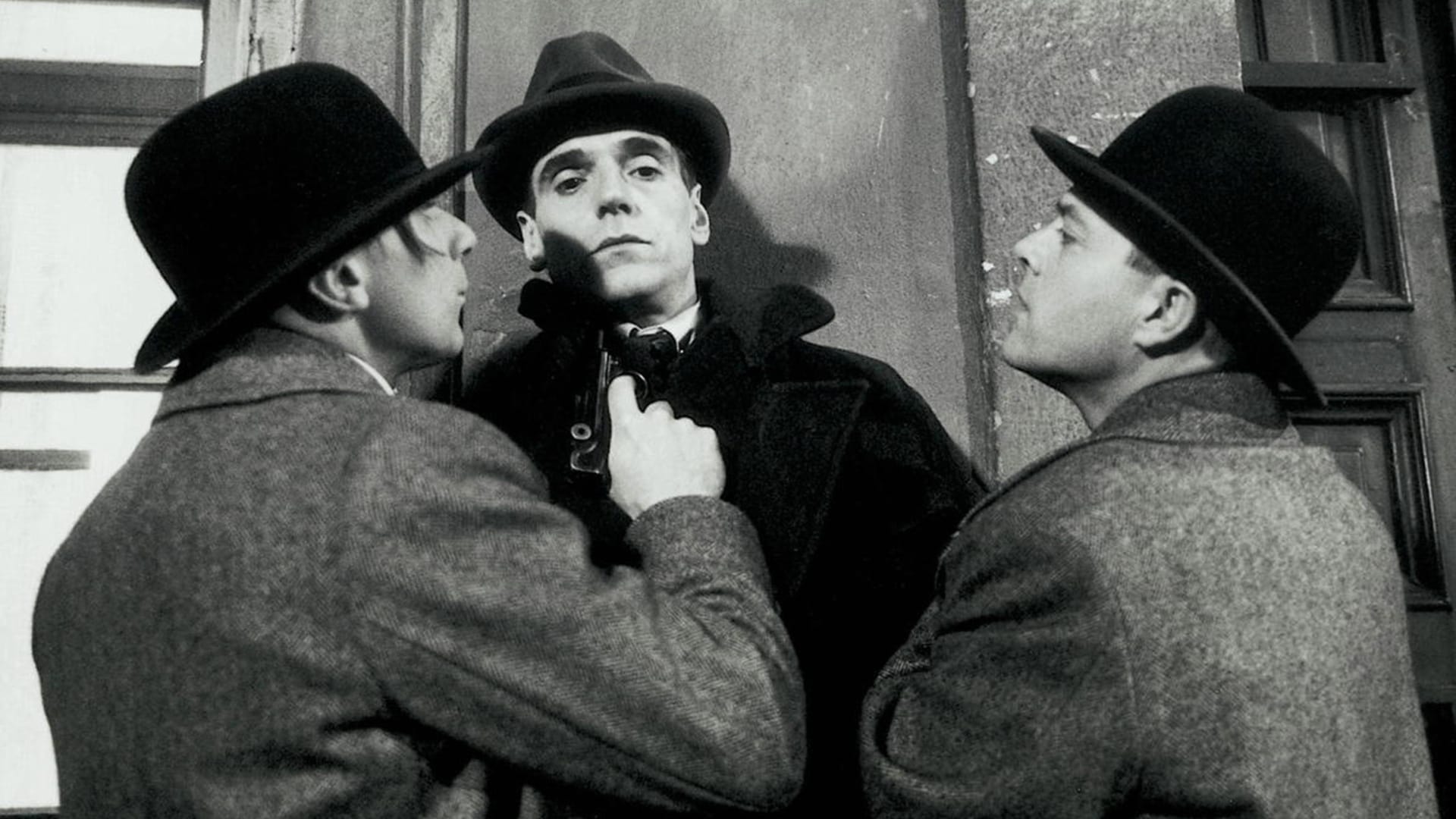
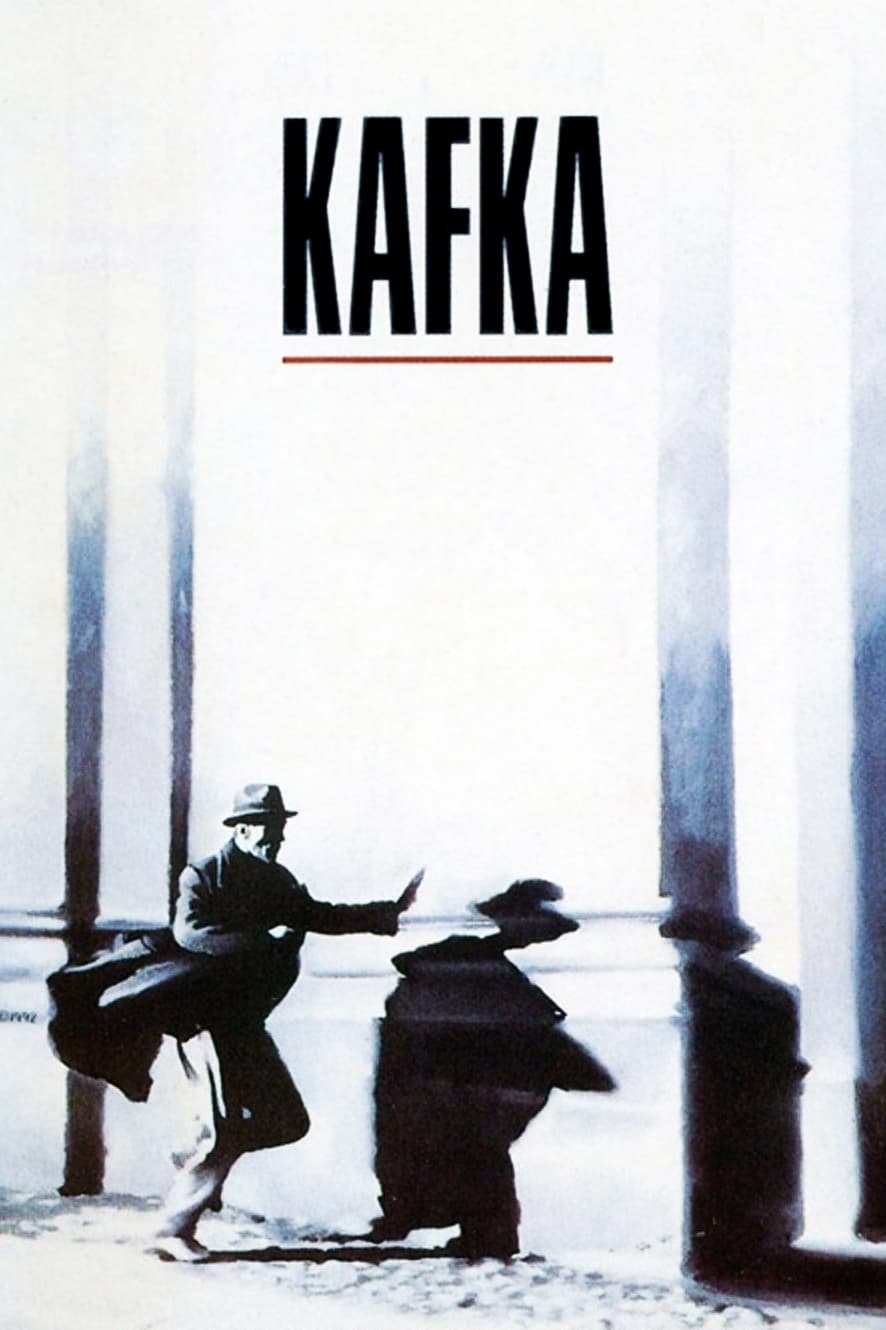
After a colleague is murdered, insurance worker Kafka gets embroiled in an underground group who are attempting to thwart a secret organization that controls the major events in society.
Insights
Plot Summary
In a surreal and unsettling Prague, clerk K. searches for answers after his colleague's mysterious death. He finds himself entangled in the labyrinthine bureaucracy of a powerful organization, encountering enigmatic figures and surreal occurrences. As he delves deeper, the lines between reality and nightmare blur, leading him to question his own identity and sanity within this Kafkaesque world.
Critical Reception
Steven Soderbergh's 'Kafka' was met with mixed reviews from critics, who were divided on its enigmatic narrative and surreal atmosphere. While some praised its stylistic ambition and intellectual curiosity, others found its deliberate obscurity and lack of clear resolution frustrating. Audience reception was similarly polarized, with the film appealing more to those who appreciate avant-garde storytelling and existential themes.
What Reviewers Say
- Praised for its unique visual style and atmospheric depiction of a Kafkaesque world.
- Criticized for an overly abstract plot that can be difficult to follow.
- Appreciated for Jeremy Irons' committed performance in a challenging role.
Google audience: Google users found the film to be a visually striking and intellectually stimulating experience, particularly appreciating the moody atmosphere and Jeremy Irons' performance. However, many noted that the plot was often too ambiguous and confusing, leading to a sense of frustration for some viewers who desired a more coherent narrative.
Fun Fact
The film was shot on location in Prague, with director Steven Soderbergh aiming to capture the city's historical atmosphere and connect it to the themes of Franz Kafka's works.
AI-generated overview · Verify ratings on official sources