Movie spotlight
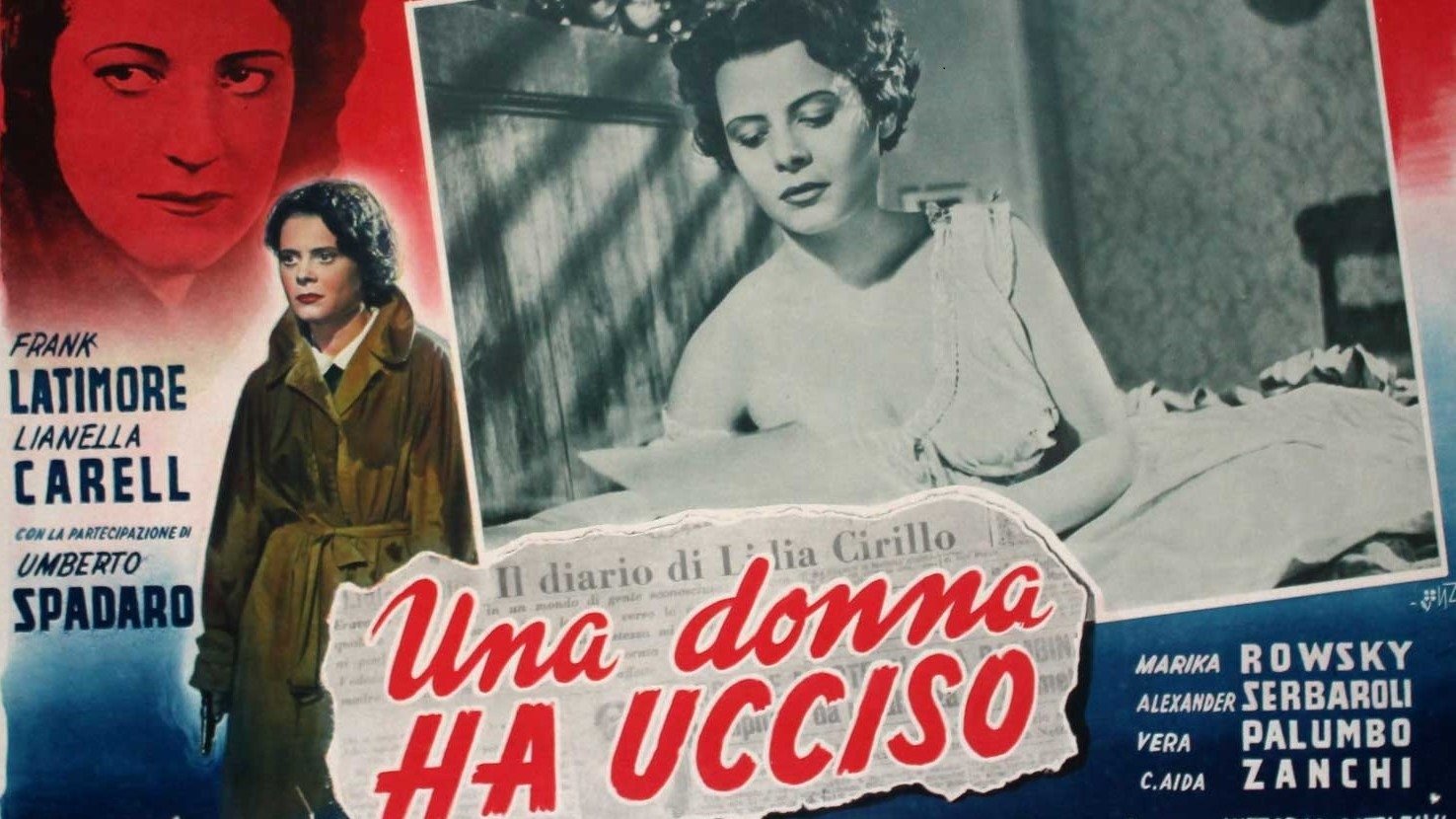
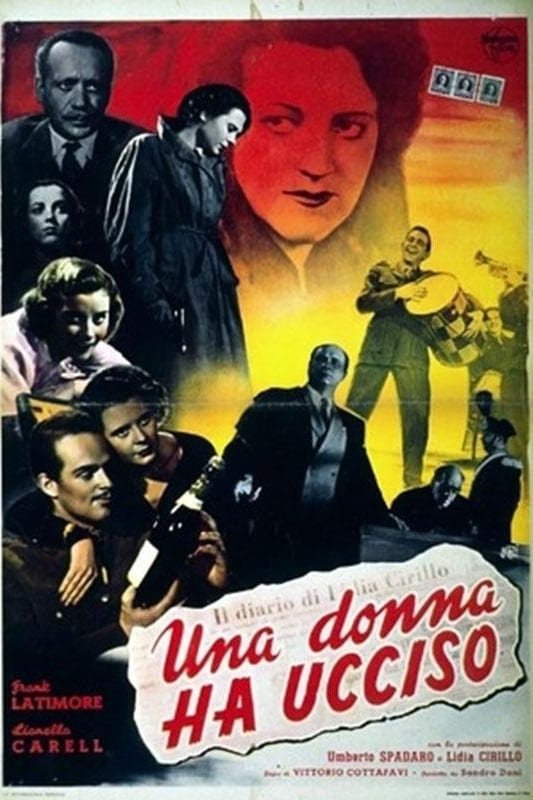
A Woman Has Killed
In 1951, two years after the “scandal” of the Fiamma che non si spegne, Cottafavi got the opportunity to work on a film with a small production company, Novissima Film. With little means, a number of technical and financial problems and working Sundays with the pieces of film given to him bit by bit, Cottafavi shot Una donna ha ucciso, a minor film that marked his comeback to directing. (Gianni Rondolino)
Insights
Plot Summary
A successful Parisian lawyer finds his life unraveling when he becomes entangled with a mysterious and alluring woman. As he delves deeper into her dark past and secrets, he is drawn into a dangerous web of deceit, crime, and potential murder. His professional integrity and personal life are jeopardized as he struggles to understand her true motives and escape the perilous situation he finds himself in.
Critical Reception
Upon its release, 'A Woman Has Killed' received mixed to positive reviews, with critics praising its suspenseful atmosphere and noir elements. Some found the plot convoluted, but performances, particularly from the lead, were generally lauded. The film is recognized as an early work by Henri Verneuil, showcasing his emerging directorial style.
What Reviewers Say
Praised for its tense, noir-infused atmosphere.
Noted for strong performances, especially from the lead.
Some critics found the narrative somewhat intricate or difficult to follow.
Google audience: Audience reception data for this older film is not readily available through standard Google review aggregators.
Fun Fact
This film marks one of the earliest appearances of Louis de Funès, a comedic legend in French cinema, in a minor role before his rise to widespread fame.
AI-generated overview · Verify ratings on official sources