IMDb7.3/10
Rotten Tomatoes70%
Google Users85%
Director: Sam Peckinpah•Genres: Western, Comedy-Drama
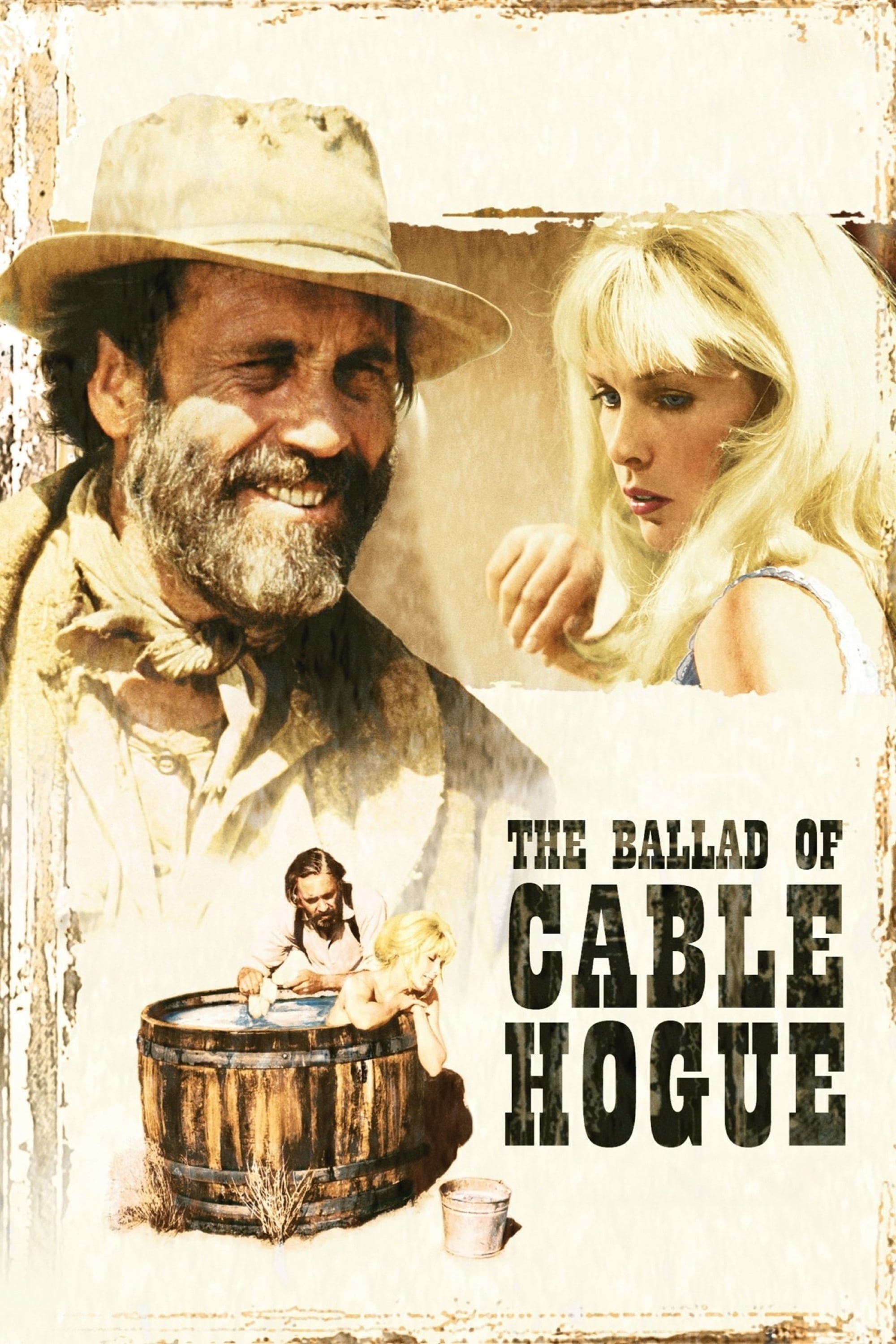
Left for dead in the desert by his thieving companions, Cable Hogue miraculously discovers a hidden water spring. He stakes his claim and establishes a successful watering hole, becoming a prosperous businessman. His newfound success is complicated by his past, his complex relationships with a saloon singer and a divine messenger, and the rapidly changing American West.
The Ballad of Cable Hogue was met with generally positive reviews from critics, who praised its unique blend of humor and melancholy, its revisionist take on the Western genre, and the performances of its cast, particularly Jason Robards. While not a major box office success, it has since been recognized as a significant and poignant work in Peckinpah's filmography.
A darkly humorous and melancholic revisionist Western.
Features a standout performance by Jason Robards as the titular character.
Explores themes of loneliness, greed, and the dying American frontier with a unique touch.
Google audience: Audiences generally appreciate the film's unconventional storytelling and its blend of wit and pathos. Many find Cable Hogue to be a compelling and sympathetic protagonist, and enjoy the film's nostalgic yet critical look at the Western mythos.
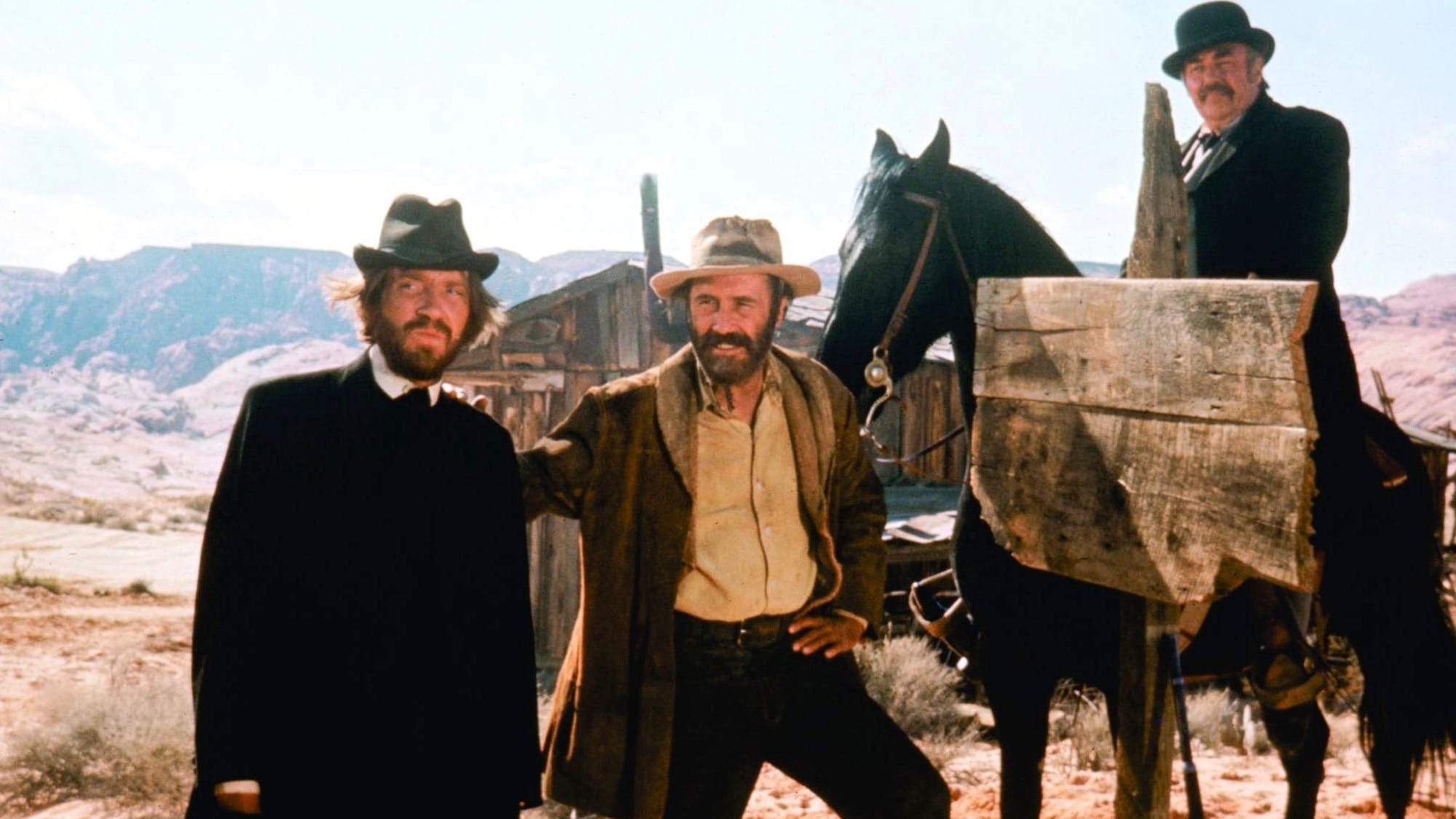
The film was shot entirely on location in the desert near TorC, New Mexico, and the landscape itself plays a significant role in the narrative.
AI-generated overview · Verify ratings on official sources