
Movie spotlight
Kaspar
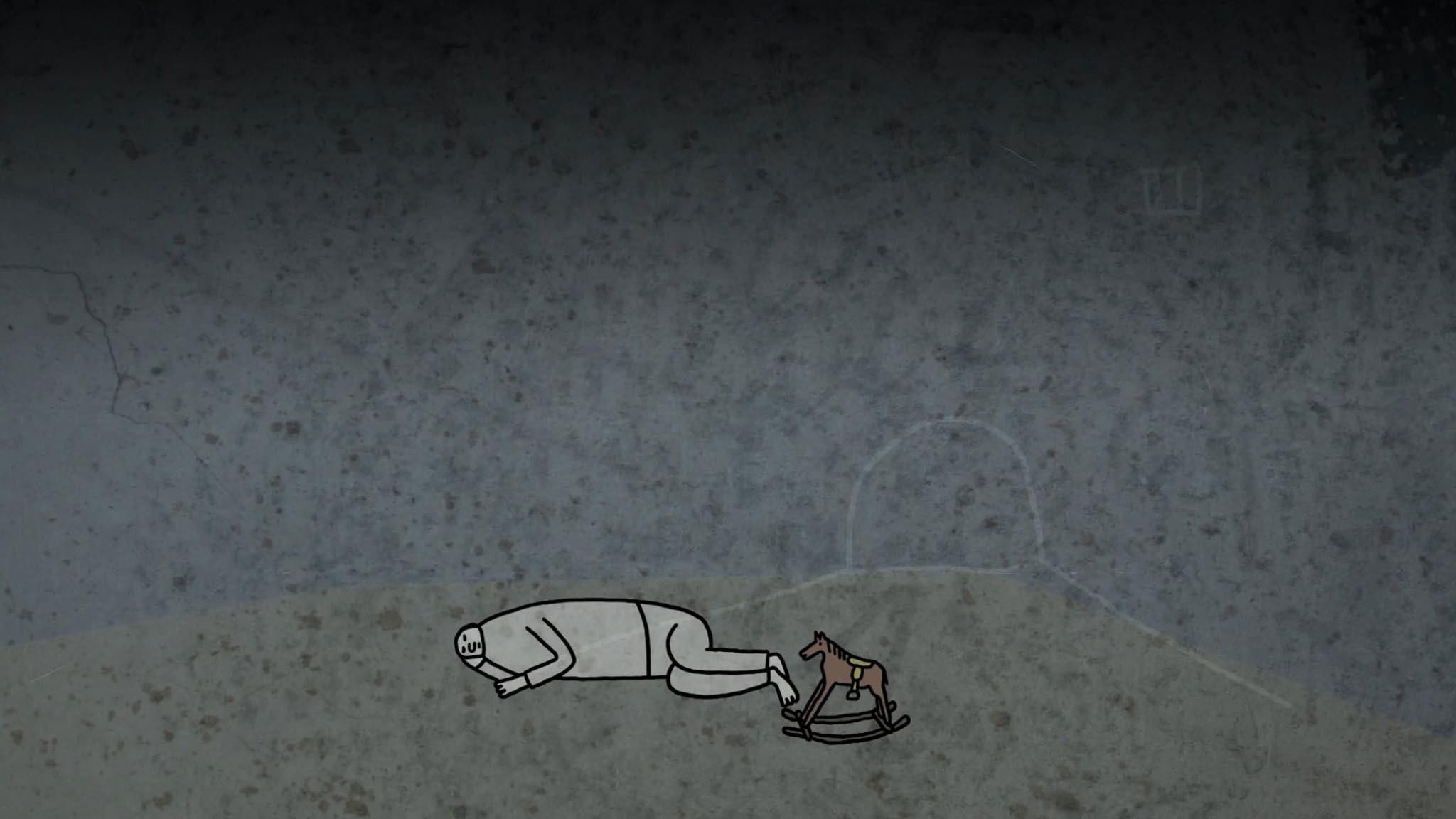
Living alone in darkness, Kaspar has experienced little oflife until he’s discovered by a man in black and brought outinto the world. Animator Diane Obomsawin’s affecting fableis based on the tale of the nineteenth century’s most famous wild child.
Insights
Plot Summary
Kaspar, a wild boy found in the woods, is brought to an institution where he must learn to communicate and adapt to human society. Under the guidance of an attentive teacher, he begins to develop language and a sense of self, but his progress is met with both fascination and fear by those around him. The film explores the complex nature of humanity and the challenges of integrating someone raised outside conventional norms.
Critical Reception
Kaspar received a mixed to positive reception, with praise for its sensitive portrayal of a complex subject and the lead actor's performance. Some critics found the pacing deliberate, while others appreciated its thoughtful exploration of nature versus nurture.
What Reviewers Say
Praised for its compassionate depiction of Kaspar's journey.
The film effectively raises questions about societal norms and human nature.
Some viewers found the narrative's slow burn a bit challenging.
Google audience: Information not available.
Awards & Accolades
None notable.
Fun Fact
The film is loosely inspired by the true story of Kaspar Hauser, a feral child who appeared in Nuremberg, Germany, in the 19th century.
AI-generated overview · Verify ratings on official sources