Movie spotlight
Windjammer
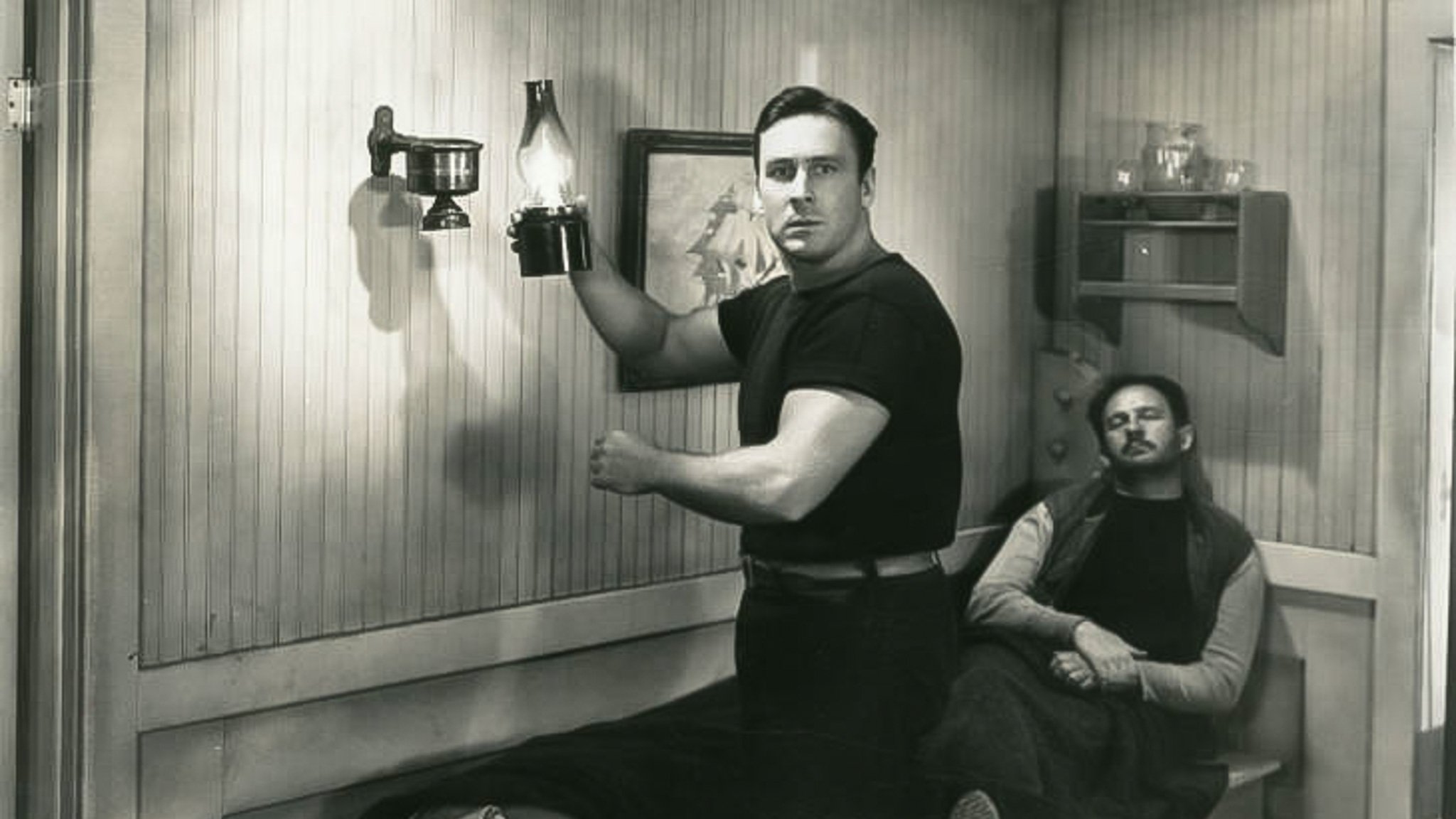
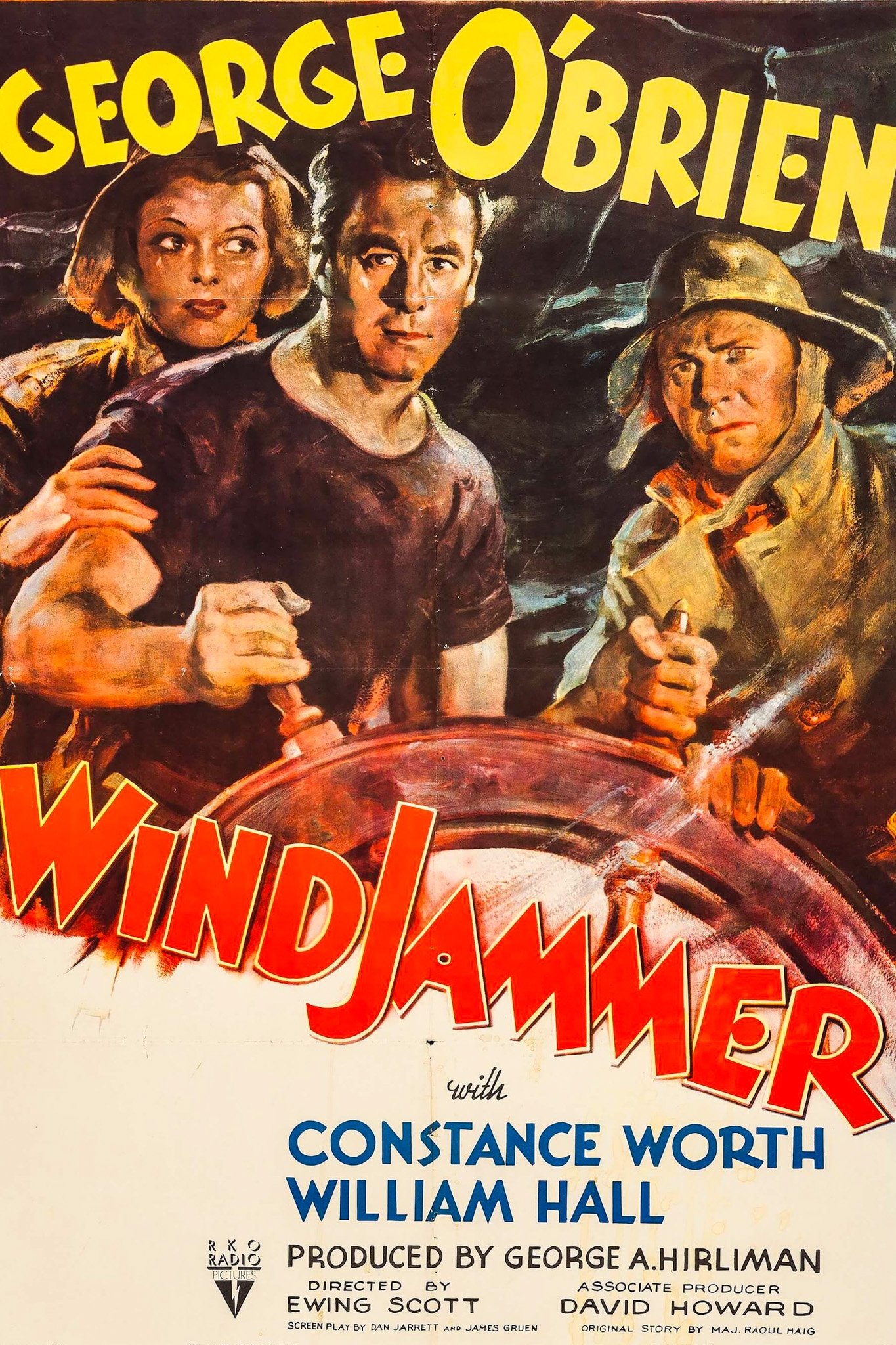
The fourth and last of the George A. Hirliman-produced films starring George O'Brien (preceded by "Daniel Boone", "Park Avenue Logger" and "Hollywood Cowboy") that were distributed by RKO Radio. Hirliman sold O'Brien's contract to RKO, which then produced 18 series westerns starring O'Brien that ended when O'Brien went into the Navy at the outbreak of WW II. Long-time (past and future) O'Brien director David Howard served as Hirliman's Associate Producer on this film. "Windjammer" finds O'Brien as a subpoena server ordered to serve a subpoena on Brandon Evans (The Commondore) for a senate inquiry or lose his job. Posing as a playboy, he boards the Commodore's yacht during a yacht race, and the yacht is wrecked by a gun-running windjammer commanded by Captain Morgan (William Hall.) All hands are picked up by the windjammer, including the Commodore's daughter (played by Constance Worth) and put to work as galley slaves.
Insights
Plot Summary
This documentary follows the cadets of the Norwegian naval training ship "Christian Radich" on their year-long voyage around the globe. The film captures the daily life aboard the majestic square-rigger, from the rigorous training and sailing maneuvers to the moments of camaraderie and exploration in exotic ports of call. It offers a unique glimpse into the demanding yet rewarding life of young men training to become seafarers.
Critical Reception
Windjammer was a unique and ambitious documentary for its time, praised for its stunning cinematography and authentic portrayal of life at sea. It was particularly noted for its educational value and its ability to transport audiences to distant lands. While not a critical darling in the traditional sense, it was appreciated for its adventurous spirit and its factual depiction of maritime training.
What Reviewers Say
Praised for its breathtaking real-life footage of sailing.
Admired for its authentic depiction of cadet life and training.
Appreciated as an educational and visually engaging adventure.
Google audience: Audience reception is largely positive, with viewers highlighting the film's unique historical value and the impressive scope of its visual storytelling, offering an unparalleled look at maritime life.
Fun Fact
The film famously utilized a specially designed wide-screen process called "Cinemiracle," which was a competitor to the more widely adopted CinemaScope, and only a handful of films were ever made using this process.
AI-generated overview · Verify ratings on official sources