Movie spotlight
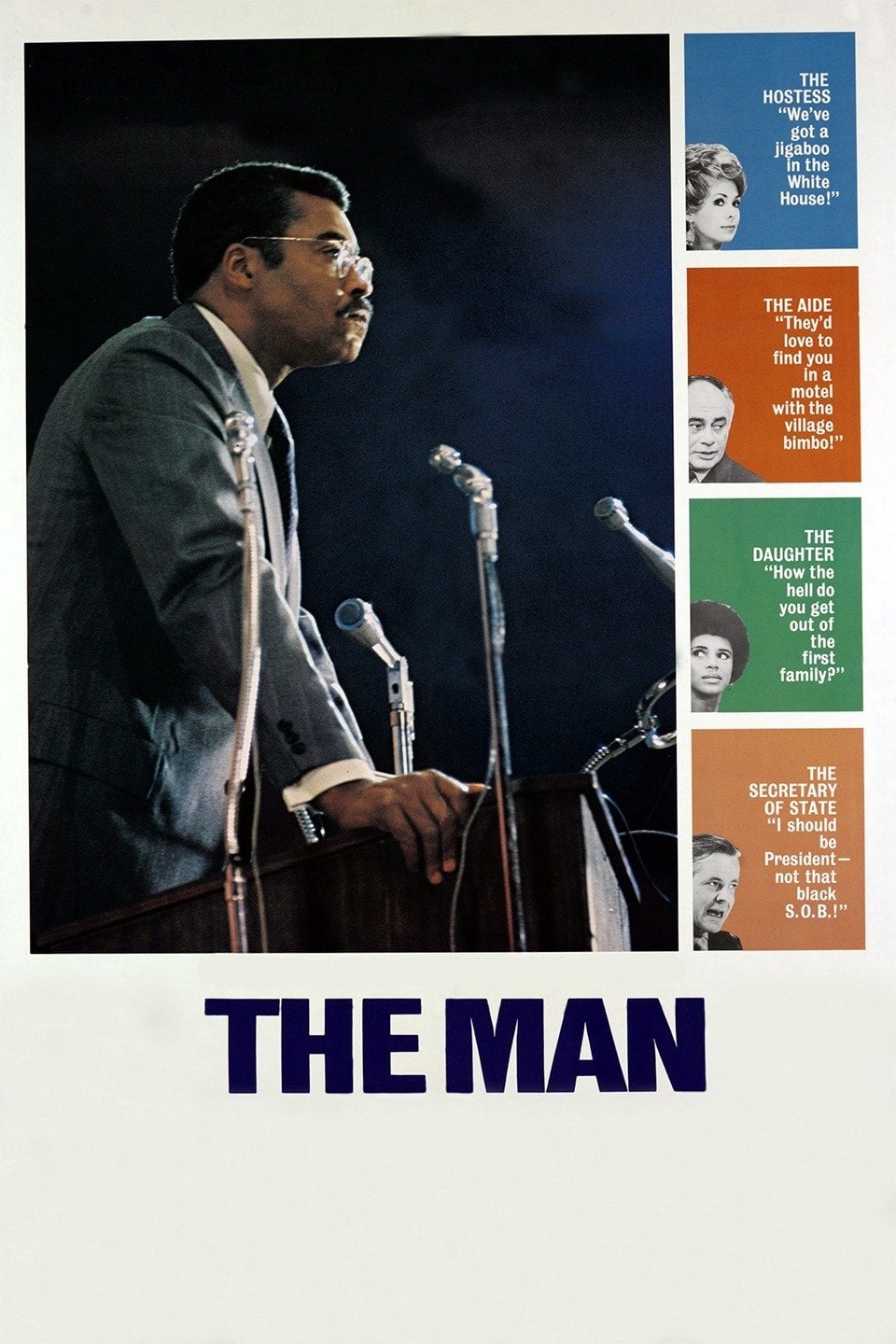
The Man
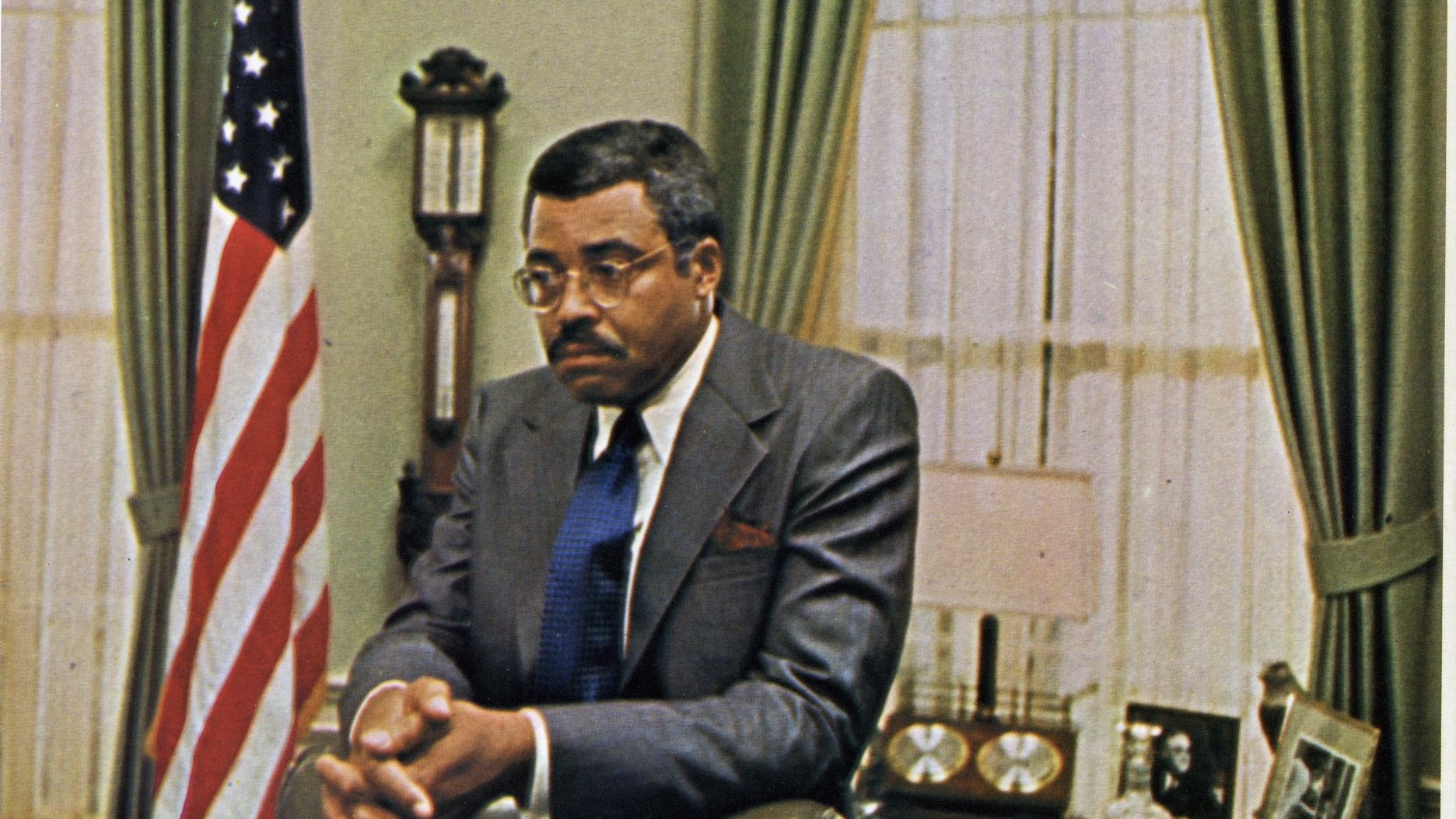
When the President and Speaker of the House are killed in a building collapse, and the Vice-President declines the office due to age and ill-health, Senate President pro tempore Douglas Dilman (James Earl Jones) suddenly becomes the first black man to occupy the Oval Office. The events from that day to the next election when he must decide if he will actually run challenge his skills as a politician and leader.
Insights
Plot Summary
A crisis of succession catapults the President of the Senate, a liberal black Democrat, into the White House. Facing a deeply divided nation and opposition from within his own party, he must navigate treacherous political waters to prove his fitness for office. The film explores the challenges of race, power, and leadership in a turbulent era.
Critical Reception
Upon its release, 'The Man' garnered significant attention for its timely and provocative themes. While some critics praised its ambition and James Earl Jones's powerful performance, others found its political commentary somewhat simplistic or overly dramatic. It was recognized as a significant, though not flawless, exploration of race and power in American politics.
What Reviewers Say
Praised James Earl Jones's commanding presence and the film's bold premise.
Noted the film's exploration of racial politics and presidential power.
Some found the narrative to be melodramatic or lacking in nuance.
Google audience: Audience reception data for 'The Man' (1972) is not readily available.
Awards & Accolades
James Earl Jones received a Golden Globe nomination for Best Actor – Motion Picture Drama.
Fun Fact
The film was one of the earliest television movies to tackle the subject of a Black president, predating the presidency of Barack Obama by over three decades.
AI-generated overview · Verify ratings on official sources