
Movie spotlight
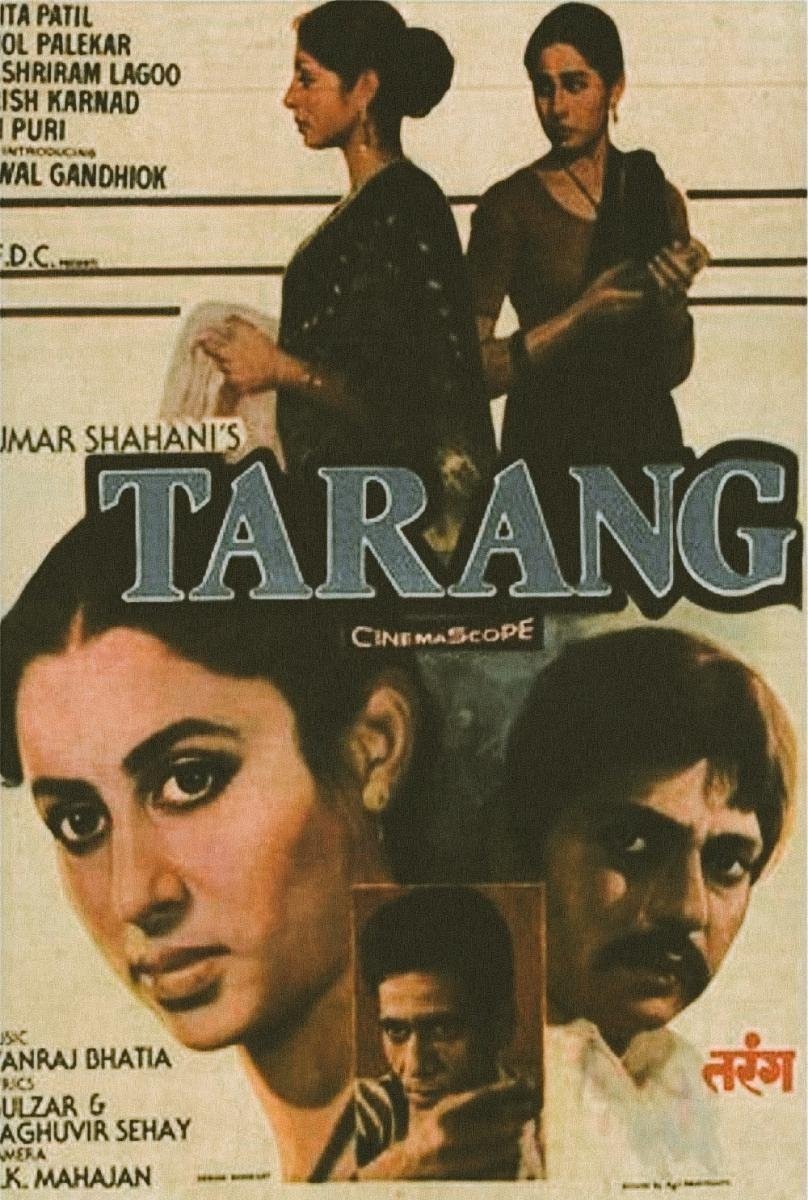
Tarang
Rahul, the son-in-law of an old industrialist and one of the heirs to his fortune, clashes with Dinesh, the industrialist’s nephew who is openly unscrupulous. Rahul, on his part, conceals his personal ambition under a cloak of liberalism and encourages indigenous production.
Insights
Plot Summary
Tarang is a searing portrayal of the complexities of modern Indian relationships, particularly focusing on the tumultuous marriage between Rahul and Anjali. As Rahul navigates his professional ambitions and personal dissatisfaction, Anjali grapples with her own desires and the constraints of societal expectations. The film delves into themes of love, betrayal, ambition, and the search for identity within the backdrop of industrial and social change.
Critical Reception
Tarang was critically acclaimed for its sophisticated narrative, nuanced performances, and striking visual style. It is often regarded as a landmark film in Indian cinema, praised for its bold exploration of psychological and social themes that challenged conventions of the time. While not a mainstream commercial success, it garnered significant appreciation from cinephiles and critics for its artistic merit.
What Reviewers Say
Praised for its intellectual depth and unflinching examination of relationships.
Commended for the powerful performances, especially from Smita Patil and Om Puri.
Cited for its ambitious narrative structure and artistic direction.
Google audience: Information regarding Google user reviews for 'Tarang' is not readily available.
Awards & Accolades
While specific major awards for 'Tarang' are not widely documented in readily accessible public records, it is highly regarded within critical circles and retrospectives of Indian cinema.
Fun Fact
The film's intricate narrative and symbolic imagery were a hallmark of director Kumar Shahani's distinct cinematic style, often influenced by semiotics and structuralist theories.
AI-generated overview · Verify ratings on official sources