IMDb6.4/10
Rotten Tomatoes71%
Metacritic71/100
Google Users78%
Director: Peter Greenaway•Genres: Drama, Romance
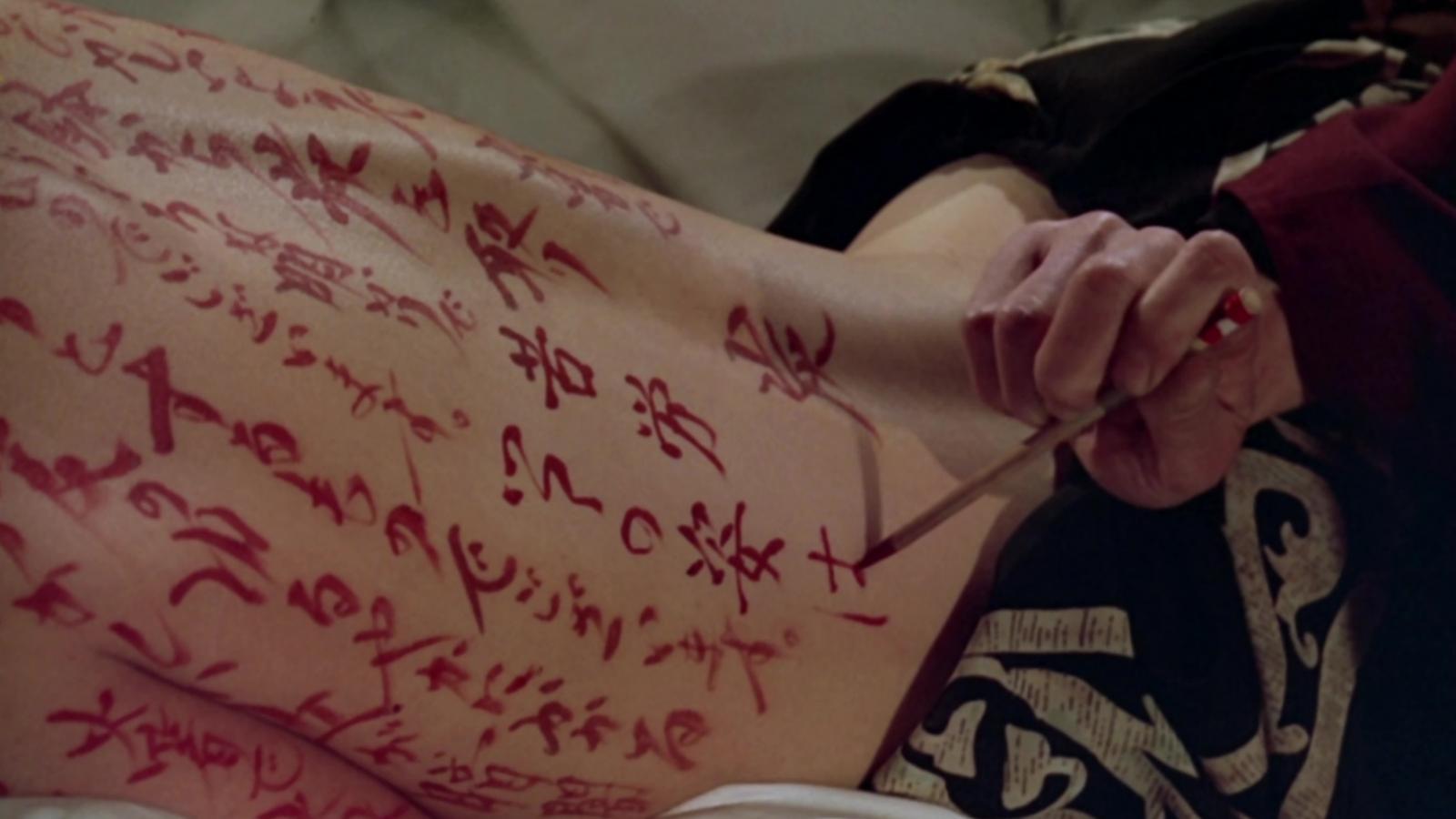
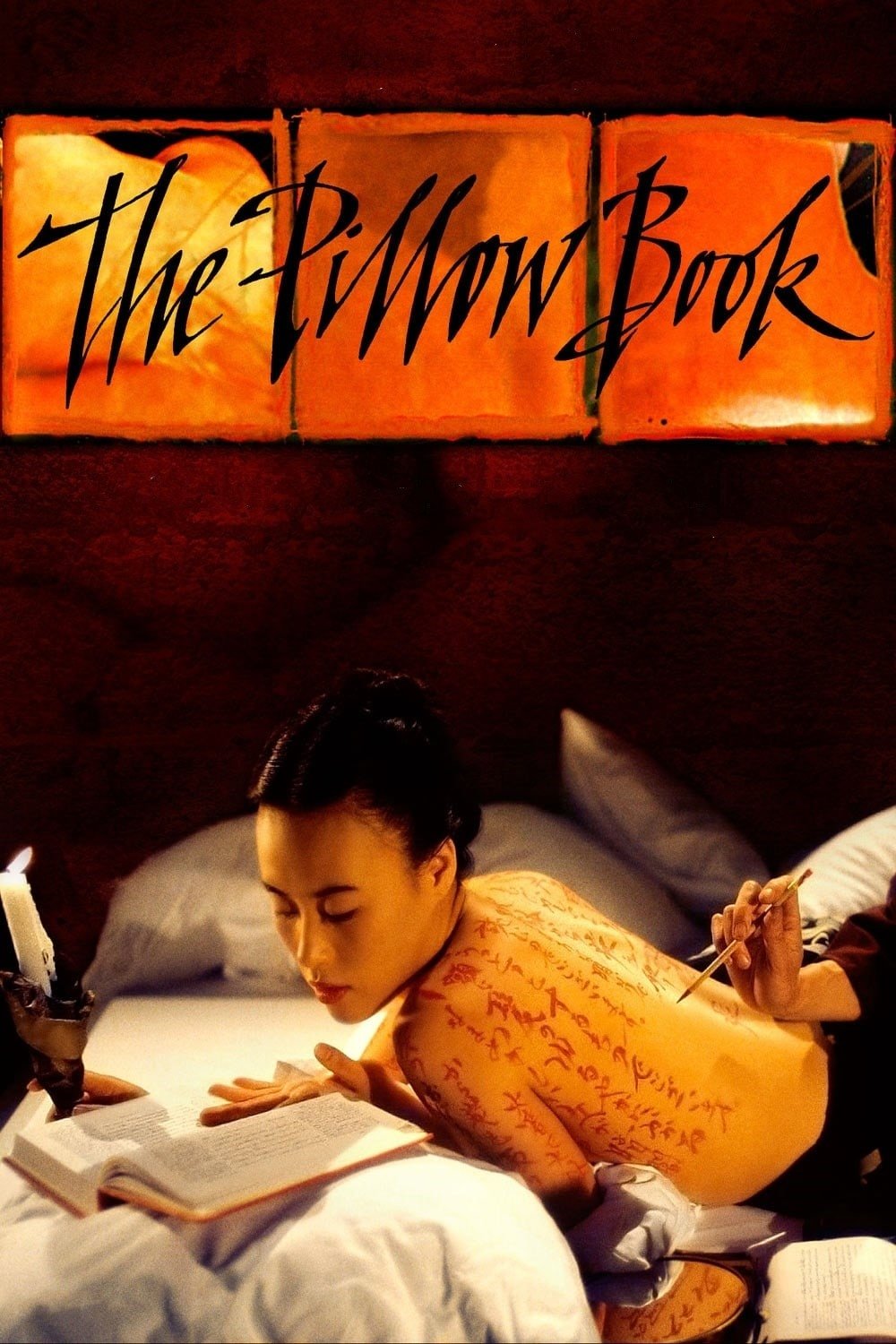
In 1990s Tokyo, a young woman named Nagiko seeks fulfillment through erotic calligraphy, writing poems and declarations of love on the bodies of her lovers. As she navigates her relationships and desires, she becomes entangled in a complex artistic and emotional journey. Her quest for ultimate expression leads her to collaborate with a publisher, blurring the lines between art, life, and obsession.
The Pillow Book received generally positive reviews from critics, who praised its visual artistry, unconventional narrative, and bold exploration of themes like sexuality, identity, and the power of writing. Some found its explicit nature challenging, but many lauded its unique aesthetic and intellectual depth.
Visually stunning and thematically rich, exploring the intersection of writing, sexuality, and identity.
Bold and provocative, offering a unique cinematic experience that challenges conventional storytelling.
The film's explicit content and artistic style may be divisive, but its intellectual and sensual depth is undeniable.
Google audience: Audiences generally appreciated the film's artistic merit and daring subject matter, though some found it to be too avant-garde or explicit for their tastes. Many viewers were captivated by its unique visual style and philosophical undertones.
Nominated for the Golden Globe Award for Best Foreign Language Film.
The film's distinctive calligraphy was created by the acclaimed calligrapher Olivier Trouilh.
AI-generated overview · Verify ratings on official sources