
Movie spotlight
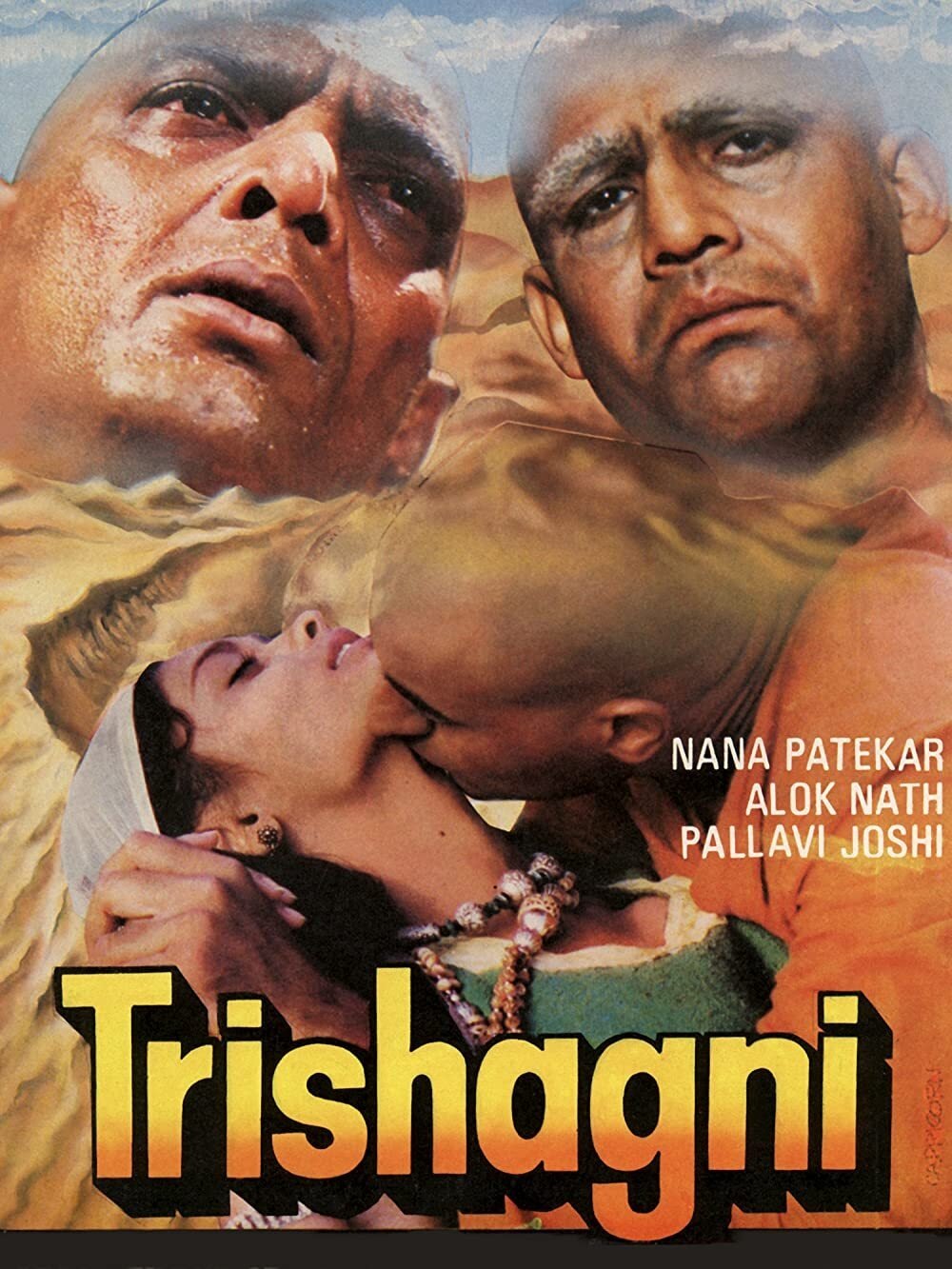
Trishagni
The film, which won the 1988 National Film Award for Best First Film of a Director for its "excellent exploration of complex philosophical theme for the first time in Indian cinema," is set in the Buddhist town of Sariput in the desert of Central Asia in the 1st century B.C. The town is struck by a devastating sand storm that leaves behind only four survivors: two monks and two children taking refuge in the monastery. Twenty years later, the monks have become old, while the boy and the girl have grown and fallen in love. The jealous monk deceitfully persuades the boy into becoming a monk, yet the girl wins him back, as a result both are expelled from the monastery, and that is when the sandstorm strikes once again..
Insights
Plot Summary
Set against the backdrop of impending war, Trishagni explores the profound personal and societal impact of conflict. The film delves into the lives of individuals grappling with fear, patriotism, and the moral complexities of violence. As tensions rise, the characters are forced to confront their deepest beliefs and the devastating consequences of armed struggle.
Critical Reception
Trishagni received moderate critical attention, praised for its serious thematic content and performances, though some found its execution uneven. It was recognized for its attempt to tackle complex issues of war and its human cost within the Indian cinematic landscape.
What Reviewers Say
Praised for its ambitious exploration of war's psychological toll.
Naseeruddin Shah's performance was frequently highlighted as a strong point.
Some critics noted a deliberate pacing that might not appeal to all viewers.
Google audience: Audience reception details for Trishagni are not readily available through Google user reviews.
Fun Fact
The film was part of a wave of more socially conscious and thematically challenging cinema emerging in India during the late 1980s.
AI-generated overview · Verify ratings on official sources