
Movie spotlight
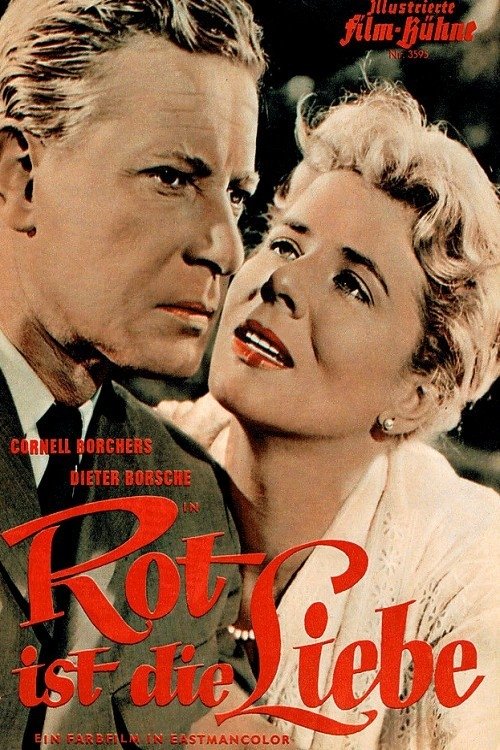
Rot ist die Liebe
Poet Hermann Lons is turning 40. On his birthday, his childhood love, Rosemarie, unexpectedly to visit her cousin (who just happens to be Hermann's wife). Rosemarie and Hermann walk through the Luneburger Heide every day and it isn't long before their old love flares up again. Hermann is rather annoyed about that and asks the woman to leave. His decision, however, brings him no joy. Luckily, he's able to deal with his grief by writing poetry, which brings him some success. But now his life is one big, melancholy drama, punctuated by too much alcohol. When Hermann eventually learns that Rosemarie has gotten engaged to Hermann's hunting buddy, Prince Niko, he realizes he wants to ask his wife for a divorce and chase after his former lover. Luckily(?), Rosemarie puts the brakes on the whole thing saying it's too late for them.
Insights
Plot Summary
In post-war Germany, a young woman named Ellen finds herself torn between two men. One is the charismatic and wealthy industrialist, Arthur Hartmann, who offers her a life of luxury and security. The other is the struggling but passionate artist, Peter Frank, with whom she shares a deep emotional connection. Ellen must navigate her desires and societal expectations to make a choice that will define her future.
Critical Reception
Upon its release, 'Rot ist die Liebe' (Red is Love) was a modest success in post-war Germany, appealing to audiences seeking melodramatic romance. Critical reception was mixed, with some praising its emotional depth and performances, while others found its plot predictable and overly sentimental. It is generally considered a typical example of German cinema from the era, reflecting the social and romantic sensibilities of the time.
What Reviewers Say
Praised for its earnest portrayal of romantic conflict.
Criticized for a somewhat conventional and melodramatic storyline.
Noted for its performances, particularly the lead actresses.
Google audience: Audience reviews are scarce for this older German film, but general sentiment suggests appreciation for its classic romantic drama elements and emotional resonance, typical of films from its era.
Fun Fact
The film was produced by the prominent German film studio Bavaria Film, which was instrumental in rebuilding the German film industry after World War II.
AI-generated overview · Verify ratings on official sources