Movie spotlight
Yugoslavia: How Ideology Moved Our Collective Body
A research-based essay film, but also a very personal perspective on the history of socialist Yugoslavia, its dramatic end, and its recent transformation into a few democratic nation states.
Insights
Plot Summary
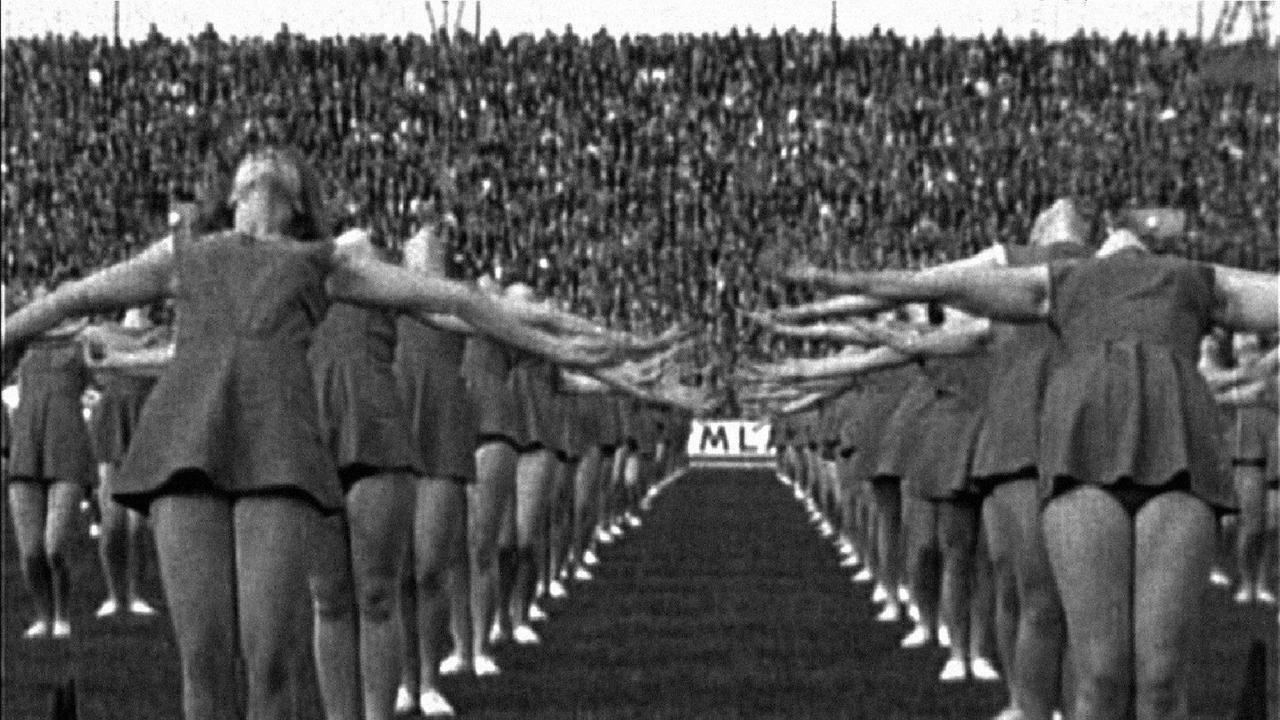
This documentary explores the role of ideology in shaping the collective body of Yugoslavia, particularly through the lens of youth organizations and public performances. It delves into how socialist ideology was disseminated and internalized, using archival footage and contemporary reflections to analyze the creation of a unified national identity. The film examines the performative aspects of ideology and their impact on individual and collective experience within the Yugoslav context.
Critical Reception
The film was recognized for its insightful and analytical approach to a complex historical period. Critics lauded its use of archival material and its ability to provoke thought about the nature of ideology and collective identity. While it garnered attention at film festivals, it is more of a specialized academic and historical film rather than a mainstream release.
What Reviewers Say
Praised for its academic rigor and analytical depth.
Noted for its effective use of historical archives to illustrate ideological manipulation.
Considered a valuable contribution to understanding socialist Yugoslavia's cultural and political landscape.
Google audience: Information regarding specific Google user reviews for this documentary is not readily available. However, audiences interested in historical and political documentaries likely appreciated its intellectual approach.
Awards & Accolades
Screened at various international film festivals, including Berlinale Forum.
Fun Fact
The film utilizes a unique approach by focusing on the performative aspects of ideology, such as mass rallies and youth brigades, to illustrate how socialist ideals were physically enacted and internalized by the population.
AI-generated overview · Verify ratings on official sources