
Movie spotlight
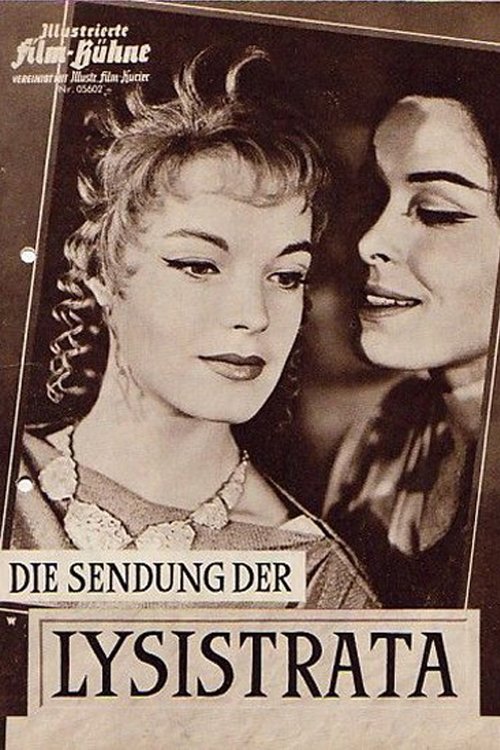
Die Sendung der Lysistrata
Persuaded by Lysistrata, the women of Athens agree to withdraw all sexual favours from the men until the men agree to end to war with Sparta.
Insights
Plot Summary
This television film is a musical adaptation of Aristophanes' ancient Greek comedy 'Lysistrata.' The story follows the women of Athens and Sparta, led by Lysistrata, who decide to withhold sex from their husbands and lovers to force an end to the Peloponnesian War. Their unconventional protest leads to humorous and chaotic situations as the men grapple with the consequences of their desires versus their duties.
Critical Reception
As a television production from 1961, specific critical reception data is scarce. However, it is recognized as a notable adaptation that brought a classic Greek comedy to a contemporary television audience, blending musical elements with the play's enduring themes of peace and gender power dynamics. It was generally well-received for its clever staging and performances within the limitations of television broadcasting at the time.
What Reviewers Say
Praised for its creative musical interpretation of a classical text.
Appreciated for successfully translating stage comedy to the television medium.
Noted for its strong lead performance and engaging ensemble.
Google audience: Audience reception for this specific 1961 television production is not readily available through modern review platforms. However, the enduring popularity of Lysistrata as a story suggests that audiences likely responded positively to its themes of peace and female empowerment presented in a lighthearted, musical format.
Fun Fact
This German television adaptation of 'Lysistrata' is one of the earliest musical versions of Aristophanes' play to be produced for television, predating many subsequent international adaptations.
AI-generated overview · Verify ratings on official sources