

Fontamara
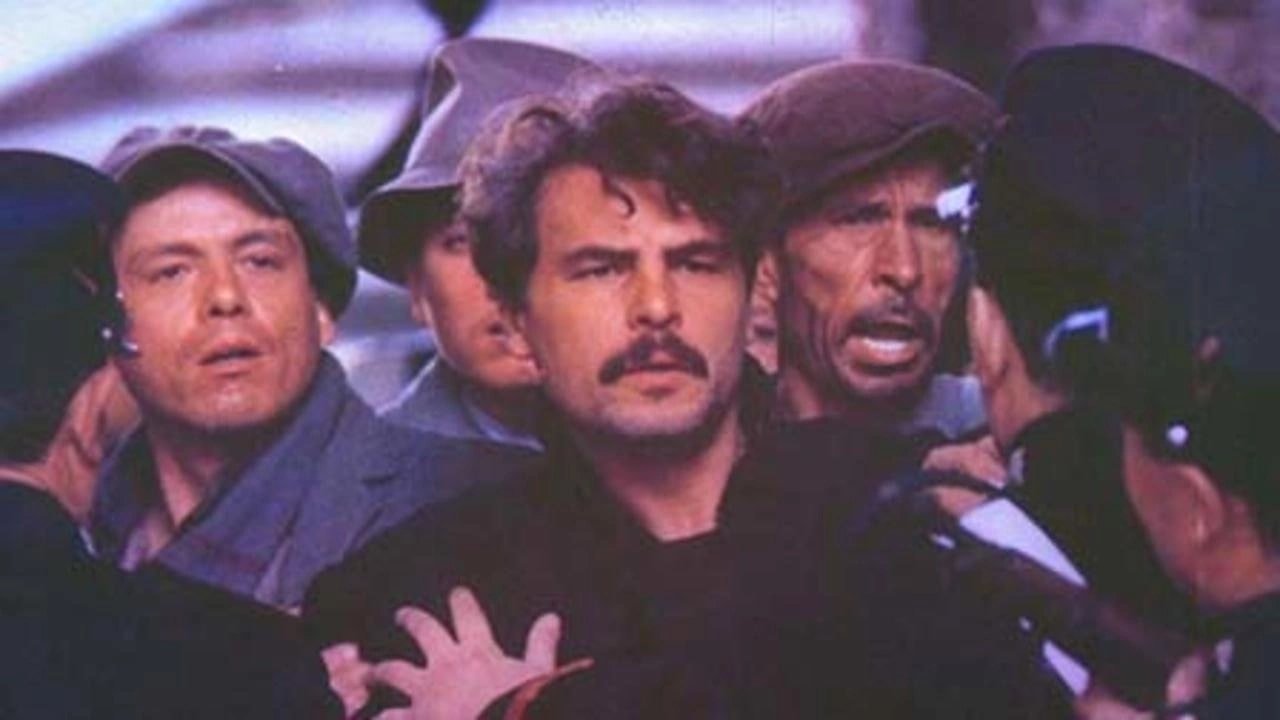
Fontamara is a village in the Marsica, forgotten by all but God and its inhabitants are called 'cafoni' (boors). Berardo Viola wants to marry Elvira but only after gaining enough money to buy some land and in order to reach his aim he has the idea of going to a great city. When Maria Grazia is raped by the fascists, Berardo and Antonio decide to leave Fontamara and go to Rome. Here they are swindled by a lawyer and afterwards they are invited by an antifascist to a restaurant where they are arrested by the police because of some subversive papers they had.
Insights
Plot Summary
Set in the impoverished rural south of Italy during the Fascist era, Fontamara tells the story of a group of destitute peasants struggling against exploitation and oppression. Their lives are intertwined with the local landowners and the encroaching political forces. The film follows their attempts to organize and resist, highlighting themes of social injustice and the enduring spirit of the common people.
Critical Reception
Fontamara was met with a mixed to positive reception, generally praised for its strong social commentary and performances, though some found its pacing to be deliberate. Critics noted its faithfulness to Ignazio Silone's novel and its stark portrayal of rural poverty and political repression.
What Reviewers Say
- Praised for its powerful social message and depiction of peasant life.
- Appreciated for its historical context and atmosphere.
- Some found the narrative to be slow-moving at times.
Google audience: Information not readily available for Google user reviews.
Fun Fact
The film is based on the 1933 novel of the same name by Ignazio Silone, a prominent Italian writer known for his anti-fascist writings.
AI-generated overview · Verify ratings on official sources