Movie spotlight
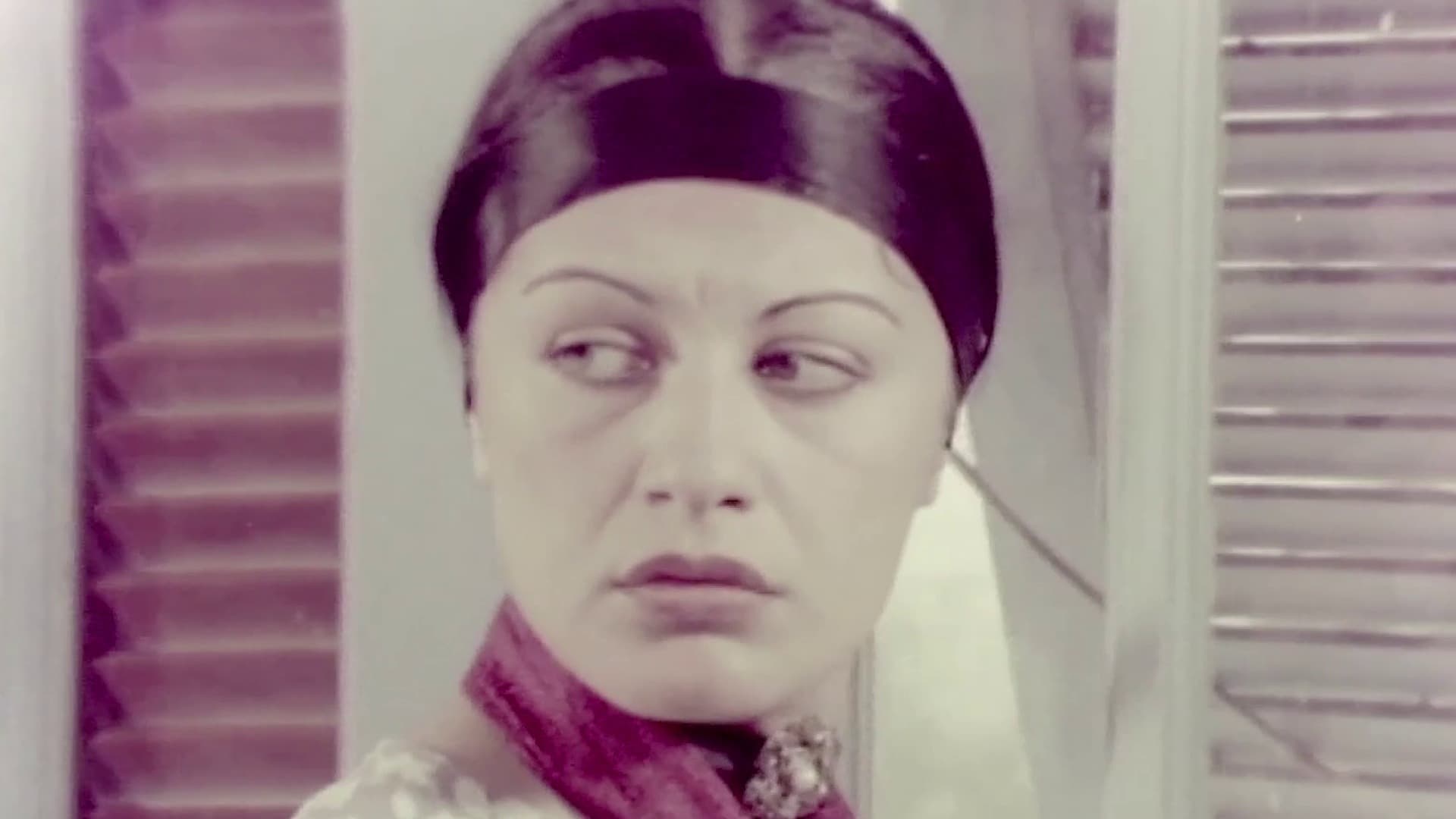
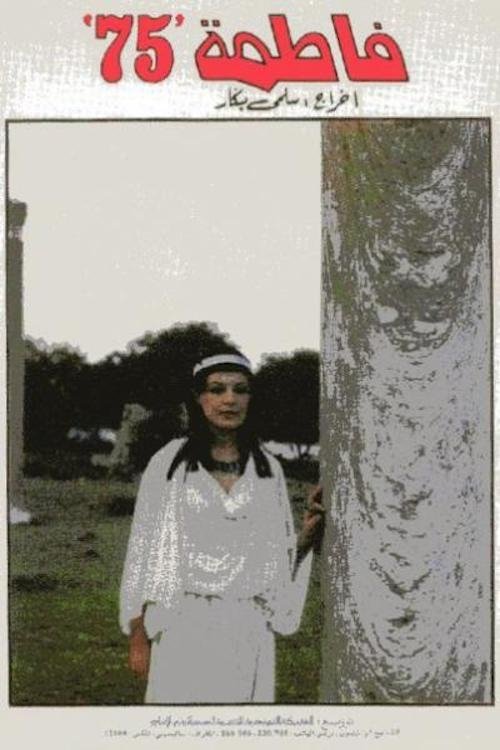
Fatma 75
A pioneering film from Tunisia, Fatma 75 is the first non-fiction film by a Tunisian woman, a feminist essay film, and the first in a series of powerful films about strong female figures in the country. The film was made in the UN International Women's Year 1975, and has long been recognised as one of the most important films from North Africa, but has never officially been seen before due to censorship.
Insights
Plot Summary
Fatma 75 is a groundbreaking documentary that explores the history of women's rights and their evolving role in Tunisian society from the early 20th century to 1975. Through archival footage and interviews, the film highlights key moments and struggles for equality, tracing the advancements made by women in education, work, and public life. It serves as both a historical record and a powerful statement on feminist progress in the Arab world.
Critical Reception
Fatma 75 was critically acclaimed for its important historical documentation and its courageous examination of women's rights in Tunisia. It is recognized as a pioneering work in Arab feminist cinema, celebrated for its insightful analysis and impactful storytelling, though its direct impact on contemporary discourse might be seen as more historical than immediately actionable.
What Reviewers Say
A vital historical document on women's emancipation in Tunisia.
Pioneering feminist cinema that offers a critical look at societal progress.
Commended for its detailed exploration of women's struggles and achievements.
Google audience: Information on Google user reviews for this historical documentary is not readily available.
Fun Fact
Fatma 75 was one of the first feature-length documentaries made by a woman in the Arab world, marking a significant milestone for female filmmakers in the region.
AI-generated overview · Verify ratings on official sources