
Movie spotlight
Hiroshima
Historical fiction about the aftermath of the atomic bombing of Hiroshima, Japan, on 6 August 1945, and its effects on various civilians, especially children, of that city.
Insights
Plot Summary
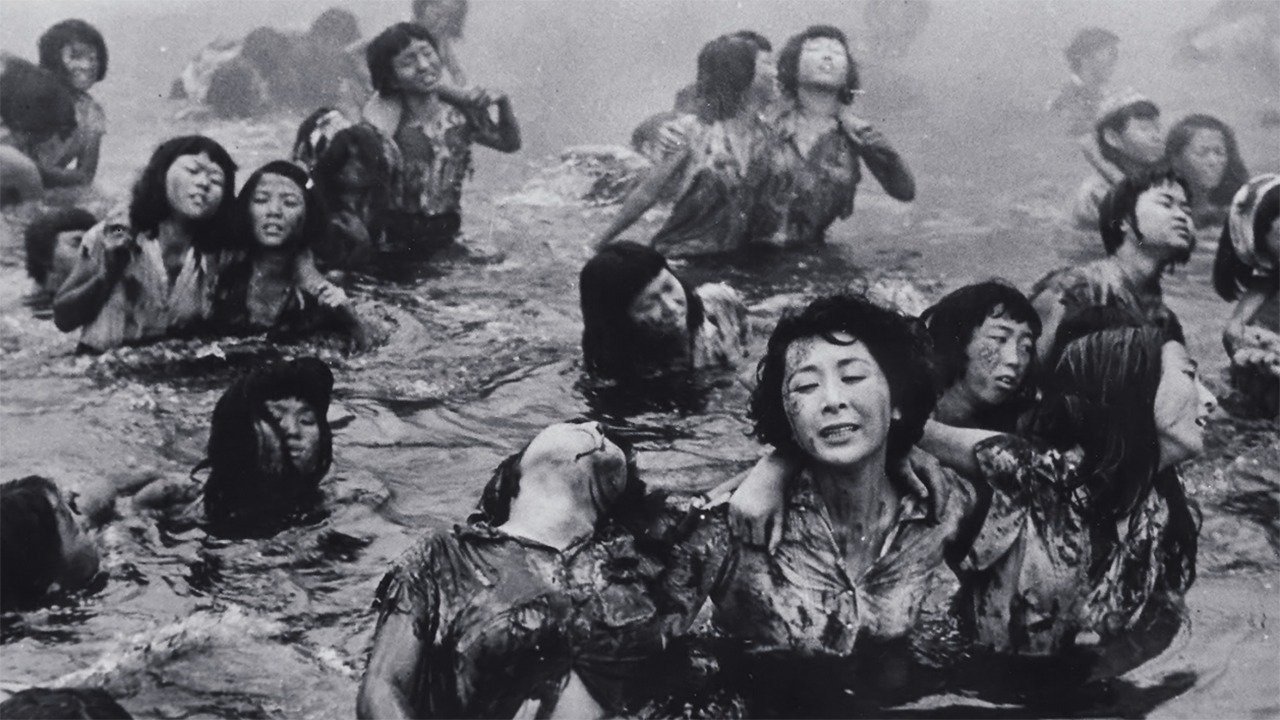
This stark documentary uses archival footage and dramatic recreations to depict the events leading up to, during, and immediately after the atomic bombing of Hiroshima. It interweaves personal stories of survivors with broader historical context, offering a powerful and unflinching look at the human cost of nuclear warfare. The film avoids sensationalism, focusing on the devastating reality and the enduring impact on the city and its people.
Critical Reception
Hiroshima (1953) is widely regarded as a landmark documentary for its sensitive and powerful portrayal of the atomic bombing's aftermath. Critics lauded its innovative use of archival footage combined with dramatic re-enactments to convey the horror and human tragedy. Audiences were deeply moved by its unflinching depiction of survival and the profound societal impact, cementing its place as a significant historical film.
What Reviewers Say
Praised for its potent blend of historical footage and dramatic re-enactments.
Commended for its sensitive and non-sensationalist approach to a horrific event.
Recognized for its profound depiction of human resilience and the lasting impact of nuclear war.
Google audience: Audience reviews highlight the film's emotional impact and its historical significance in documenting the human toll of the Hiroshima bombing. Many viewers found it a deeply moving and educational experience, appreciating its somber and respectful tone.
Fun Fact
The film controversially used fictionalized scenes involving actors to depict the experiences of the bomb's victims, which was unusual for documentaries of its time and led to discussions about the ethics of historical representation.
AI-generated overview · Verify ratings on official sources