
Movie spotlight
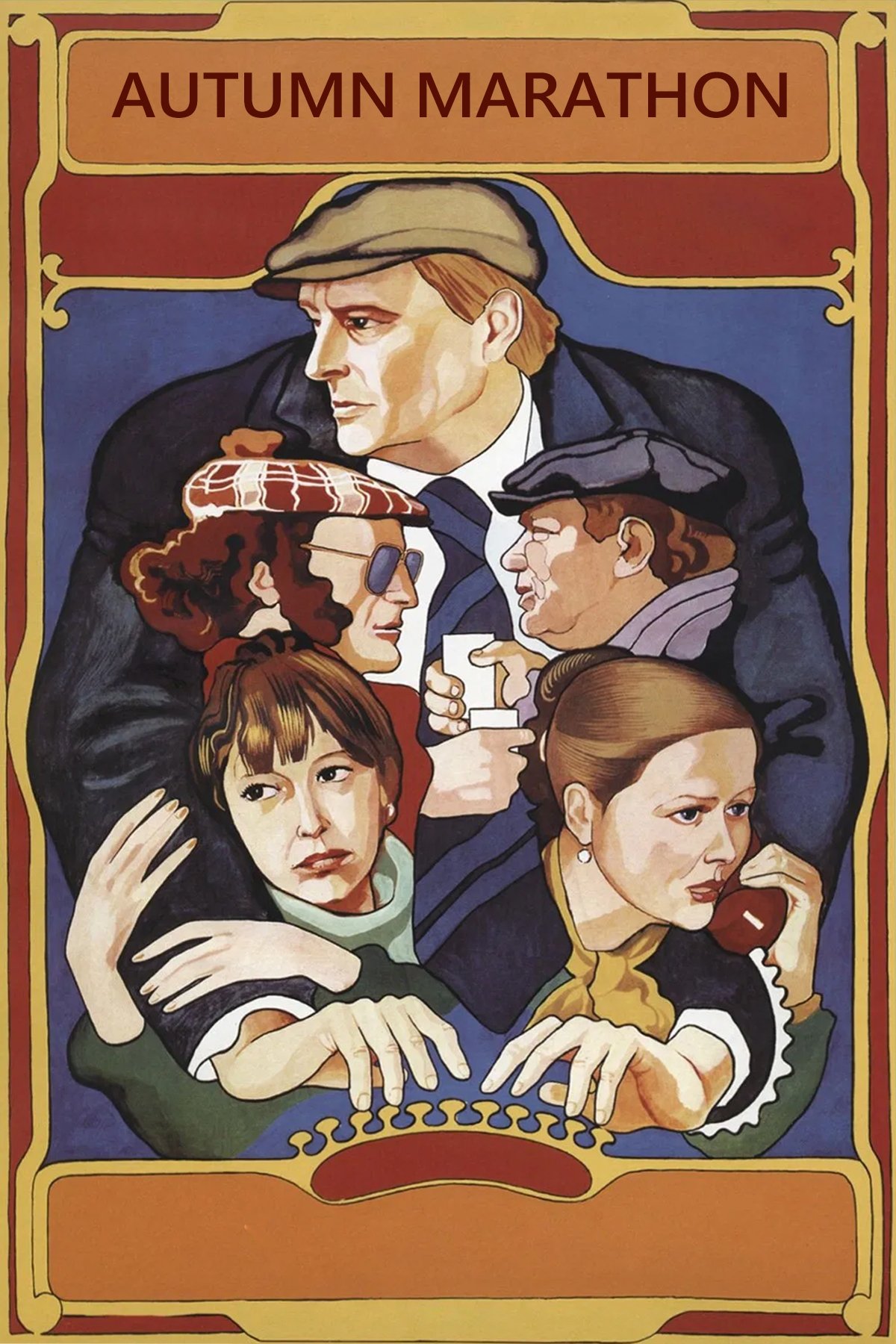
Autumn Marathon
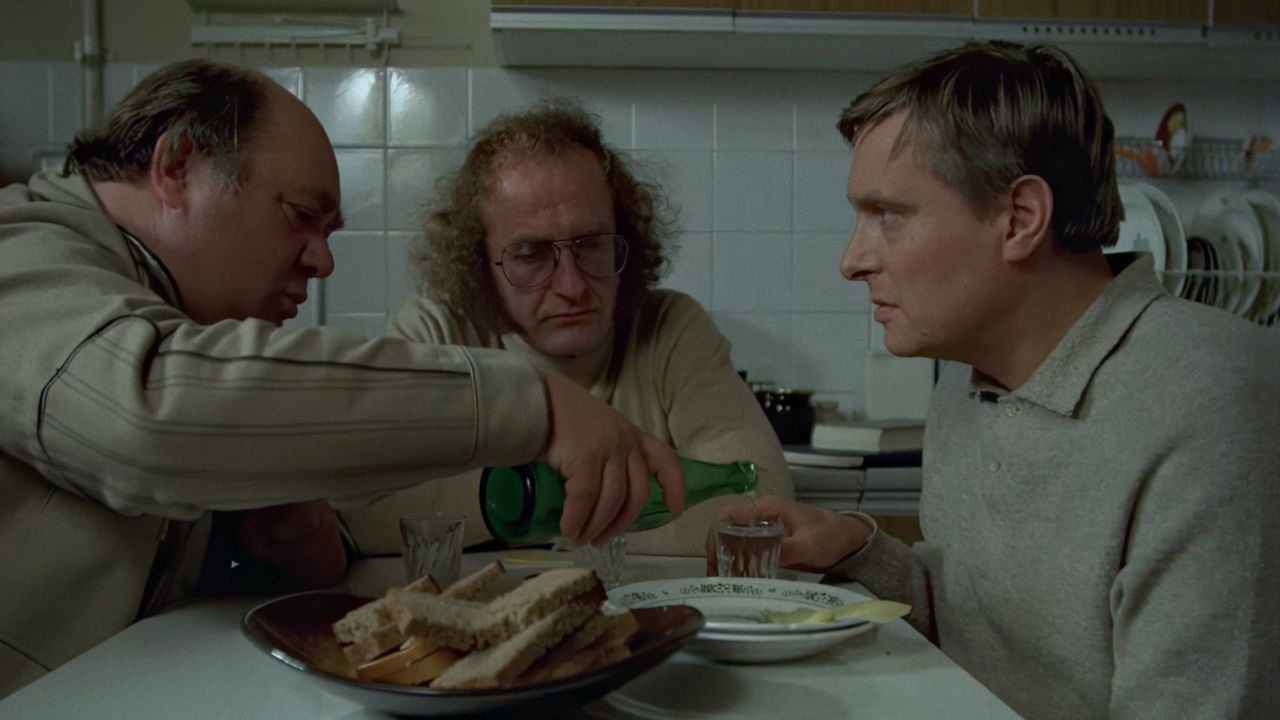
Andrey Pavlovich Buzykin, who makes a living by teaching at an institute and translating English literature, is cheating on his wife. Buzykin's main problem is that he's a kind man with a weak character. The lies he is telling his wife all the time are inconvincing, but he never has the courage to tell her the truth. His lover, Alla, is aware of his family life, but gets offended when, for example, he cannot meet her so that he doesn't come home late, or when he doesn't want to go home in a new jacket she gives him to avoid having to explain to his wife. Alla and Nina, Andrei's wife, both leave him, forgive him, and return to him at the same time, and Andrei continues with this kind of life, full of suffering and deceit. Finally, both women are so fed up with his lies that they don't believe him even when he is telling the truth...
Insights
Plot Summary
A lonely, middle-aged man living in Moscow, feeling disconnected from his life, decides to enter a marathon. As he trains for the race, he encounters various characters and situations that force him to confront his past and re-evaluate his present. The marathon becomes a metaphor for his personal journey towards self-discovery and connection.
Critical Reception
Autumn Marathon was critically acclaimed in the Soviet Union and internationally for its subtle humor, poignant storytelling, and strong performances. It resonated with audiences for its relatable themes of alienation, personal growth, and the search for meaning in everyday life. The film is often cited as a masterpiece of Soviet cinema.
What Reviewers Say
Praised for its understated humor and melancholic tone.
Applauded for its sensitive portrayal of human loneliness and the search for connection.
Noted for strong performances, particularly from the lead actors.
Google audience: Audience reviews often highlight the film's profound emotional impact and its ability to evoke a sense of empathy for the protagonist's struggles. Many appreciate its realistic depiction of Soviet life and its timeless themes.
Awards & Accolades
Golden Prize at the 11th Moscow International Film Festival (1979); FIPRESCI Prize at the 11th Moscow International Film Festival (1979).
Fun Fact
The film was initially criticized by Soviet authorities for its perceived pessimism, but it eventually gained widespread popularity and critical recognition.
AI-generated overview · Verify ratings on official sources