
Movie spotlight
Miss Julie
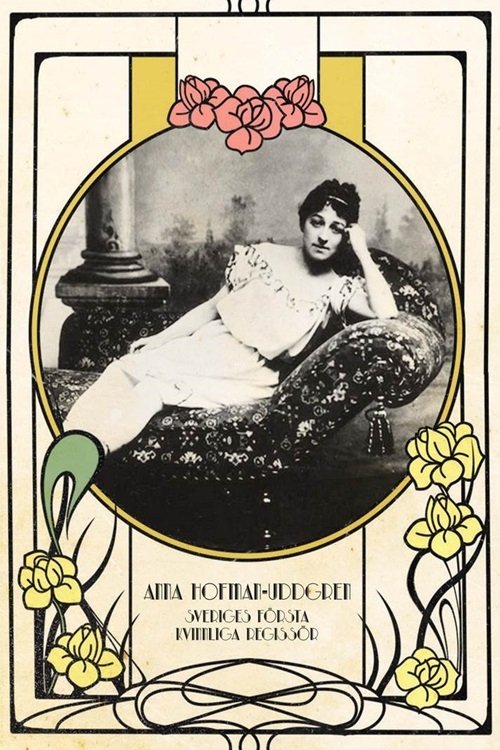
End of the 19th century. In a mansion, Miss Julie lives with her father. She has just broken her engagement but is attracted to a valet, Jean. They spend the Midsummer Eve together and plan to fly to Switzerland. Anna Hofman-Uddgren was almost the first female film director in Sweden. Beaten by a couple of months by Ebba Lindkvist.
Insights
Plot Summary
A young countess, Julie, engages in a passionate and ultimately destructive affair with her father's valet, Jean. Set on Midsummer's Eve in Sweden, the play explores themes of class, desire, and the struggle for dominance between men and women. Their illicit relationship unravels as the social chasm between them proves insurmountable, leading to tragic consequences.
Critical Reception
As a foundational work of naturalistic drama and an early exploration of complex psychological themes, 'Miss Julie' has been critically acclaimed for its raw portrayal of societal constraints and human desires. It is recognized for its daring subject matter for its time and its enduring relevance in discussions of gender dynamics and class struggle.
What Reviewers Say
Praised for its unflinching psychological depth and exploration of forbidden desires.
Recognized as a pioneering work in naturalistic theater.
Continues to provoke discussion on class, gender, and power dynamics.
Google audience: As a historical theatrical text, direct audience reviews are not applicable in the modern sense. However, its enduring performance history suggests consistent audience engagement with its challenging themes.
Awards & Accolades
None notable (as a 1912 play, its significance is in its literary and theatrical impact rather than film awards).
Fun Fact
August Strindberg wrote 'Miss Julie' in a single day, March 3, 1888, and it was first published in 1889. The 1912 date likely refers to an early production or film adaptation, as the original play predates widespread filmmaking.
AI-generated overview · Verify ratings on official sources