
Movie spotlight
Tannhäuser and the Singers' Contest at Wartburg Castle
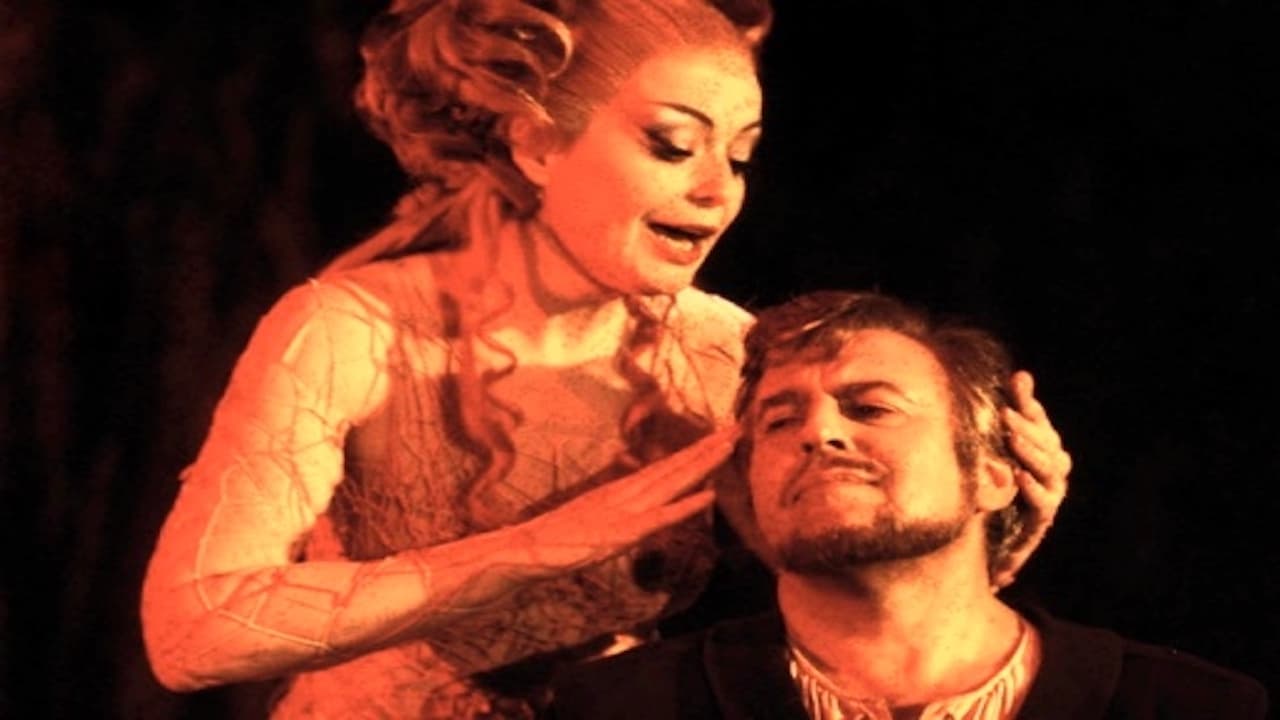
TANNHÄUSER UND DER SÄNGERKRIEG AUF WARTBURG is a grand opera by Richard Wagner in three acts. After experiencing boundless sensuality and freedom with the fun-loving Venus (soprano), the singer Tannhäuser (Tenor) finds it impossible to conform to the cultured setting of his betrothed Elizabeth (soprano), who loves him. During a singing contest, Tannhäuser describes the affair with Venus as the ultimate love experience and because of that, he is cast out from the established society. Thanks to Elizabeth's intervention, he is allowed to undertake a pilgrimage to the Pope to ask for the Holy Father's pardon. If the Pope accepts to forgive him, he would be allowed to take back his place in society. Tannhäuser accepts. But fate will not allow him to meet with his beloved Elizabeth again in this life. This is a recording of the legendary staging by Götz Friedrich for the 1978 Bayreuth Festival conducted by Sir Colin Davis.
Insights
Plot Summary
This avant-garde opera film adaptation reimagines Richard Wagner's "Tannhäuser" within a surreal, dreamlike landscape. It explores themes of sin, redemption, and the conflict between spiritual and sensual love through stylized performances and striking visual imagery. The narrative loosely follows the legend of the minstrel Tannhäuser and his journey through earthly pleasures and divine grace, culminating in the iconic song contest.
Critical Reception
Hans-Jürgen Syberberg's "Tannhäuser" is a polarizing work, often praised for its audacious artistic vision and visual splendor, while criticized for its extreme length and often impenetrable symbolism. It is considered a significant, albeit challenging, entry in operatic film and auteur cinema, appealing primarily to those who appreciate experimental and avant-garde approaches to classical material.
What Reviewers Say
Visually stunning and artistically ambitious, offering a unique interpretation of Wagner's opera.
The film's experimental nature and lengthy runtime can be challenging for many viewers.
Syberberg's bold vision and dreamlike aesthetic are its strongest, yet most divisive, elements.
Google audience: Audience reception is largely absent due to the film's niche and experimental nature. Those who engage with it often find its artistic merit compelling, though its unconventional structure makes it a difficult watch for a mainstream audience.
Fun Fact
Director Hans-Jürgen Syberberg famously cast an actor whose name was simply 'A. H. Z. H. A. N. N.' to play the titular role of Tannhäuser, emphasizing a deconstructed and symbolic approach to character.
AI-generated overview · Verify ratings on official sources