Movie spotlight
Reverón
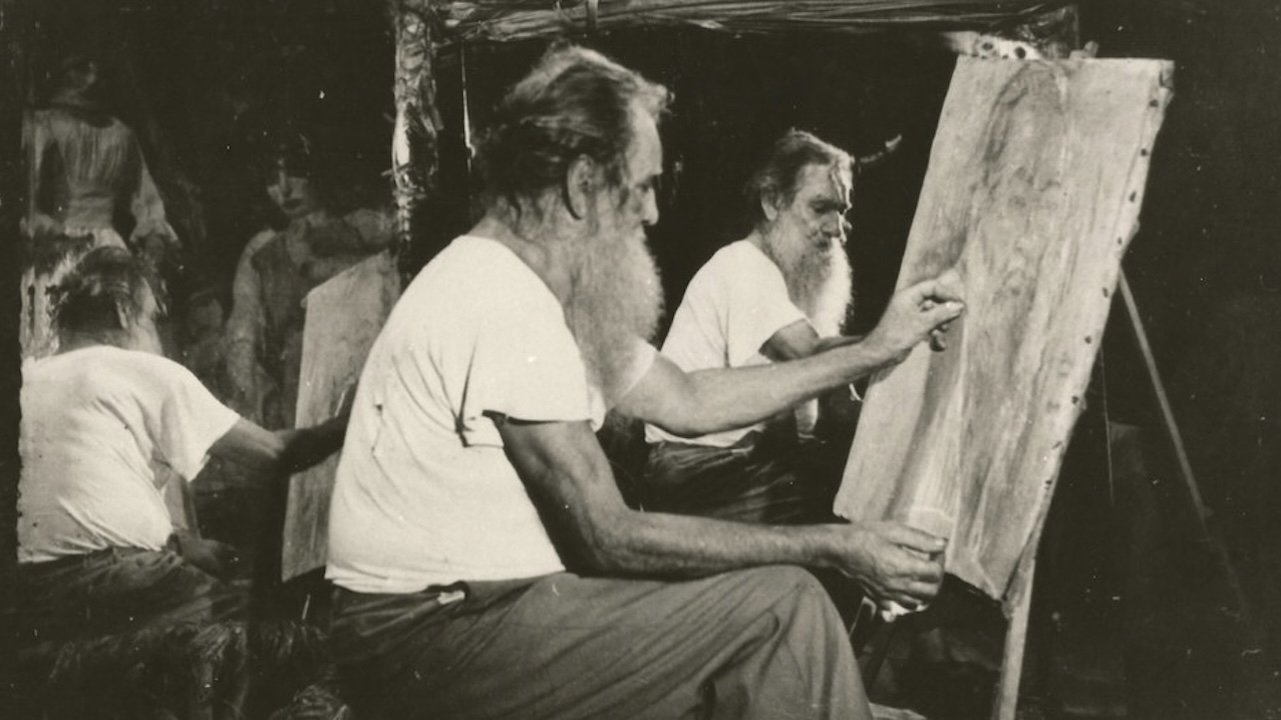
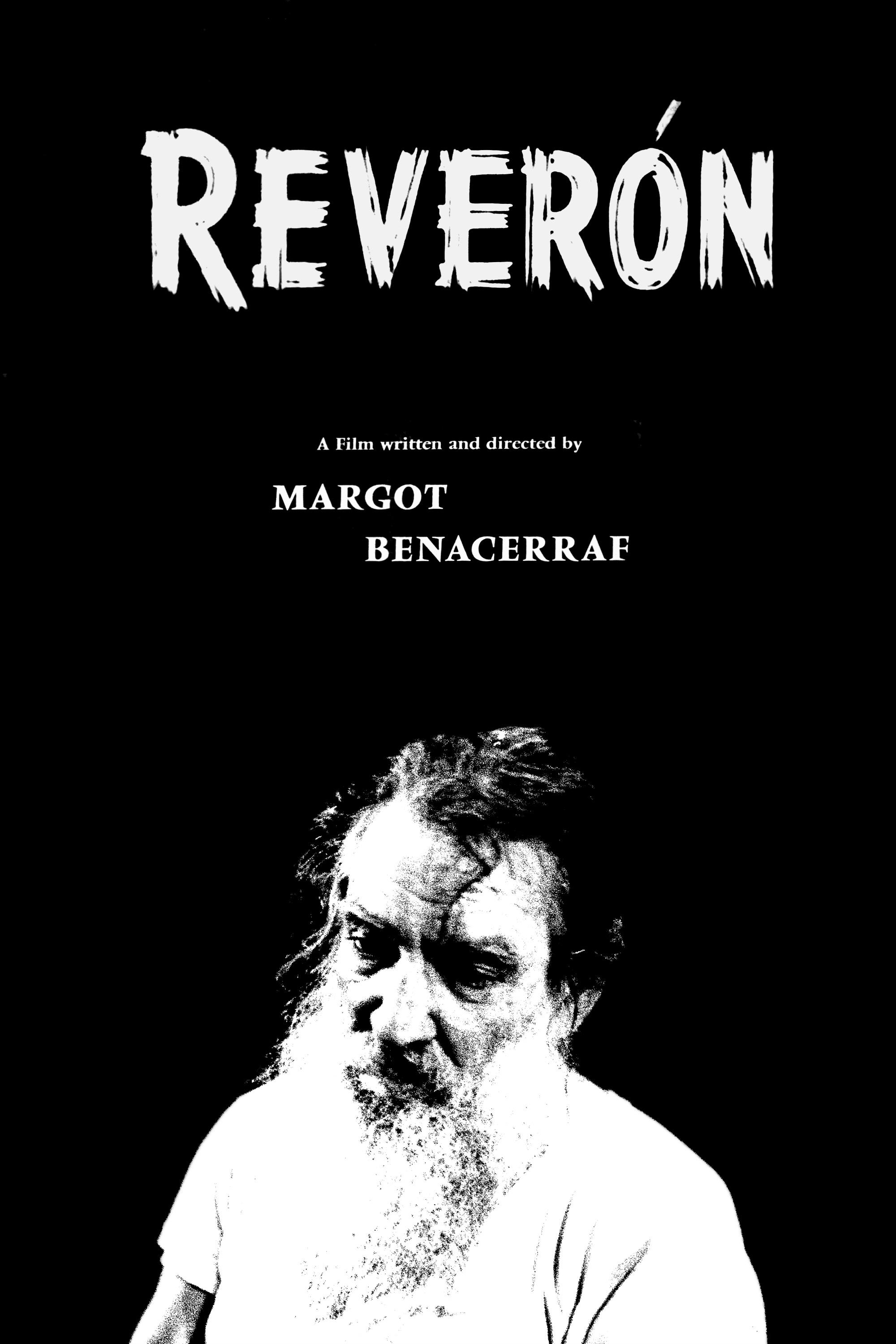
Directed by Margot Benacerraf, Reverón is a poetic and visually striking documentary that delves into the life and artistic vision of Venezuelan painter Armando Reverón. Set in the sun-drenched coastal landscape of Macuto, where the artist lived in near isolation, the film captures his eccentric lifestyle and unique creative process. Through evocative imagery and a contemplative narrative, Reverón explores his deep connection to nature, his experiments with light and texture, and his profound artistic genius. This seminal work stands as a tribute to one of Venezuela’s most influential painters and a landmark in Latin American documentary filmmaking.
Insights
Plot Summary
This biographical drama recounts the life and struggles of celebrated Venezuelan painter Armando Reverón. The film delves into his artistic evolution, his mental health challenges, and his reclusive existence in his coastal studio. It portrays his deep connection with his muse, Juanita, and his profound artistic vision.
Critical Reception
As a historical Venezuelan film, 'Reverón' is primarily appreciated for its tribute to a national artistic icon. While specific contemporary critical reception is difficult to pinpoint in international databases, it is recognized for its sensitive portrayal of the artist's life and work. Audiences familiar with Reverón's art often find the film a poignant and valuable depiction.
What Reviewers Say
A sensitive and visually rich portrayal of the life of Armando Reverón.
Highlights the artist's profound creative process and personal struggles.
Offers insight into a significant figure in Venezuelan art history.
Google audience: Information on Google user reviews for this specific film is not readily available.
Awards & Accolades
While specific major awards for this film are not widely documented in international databases, its existence serves as a significant cultural acknowledgment of Armando Reverón's legacy within Venezuela.
Fun Fact
Armando Reverón was known for his unique artistic technique, often referred to as 'muralism,' where he would use natural pigments and materials found around his coastal home, including sand and shells, to create his textured and evocative paintings.
AI-generated overview · Verify ratings on official sources