
House by the River
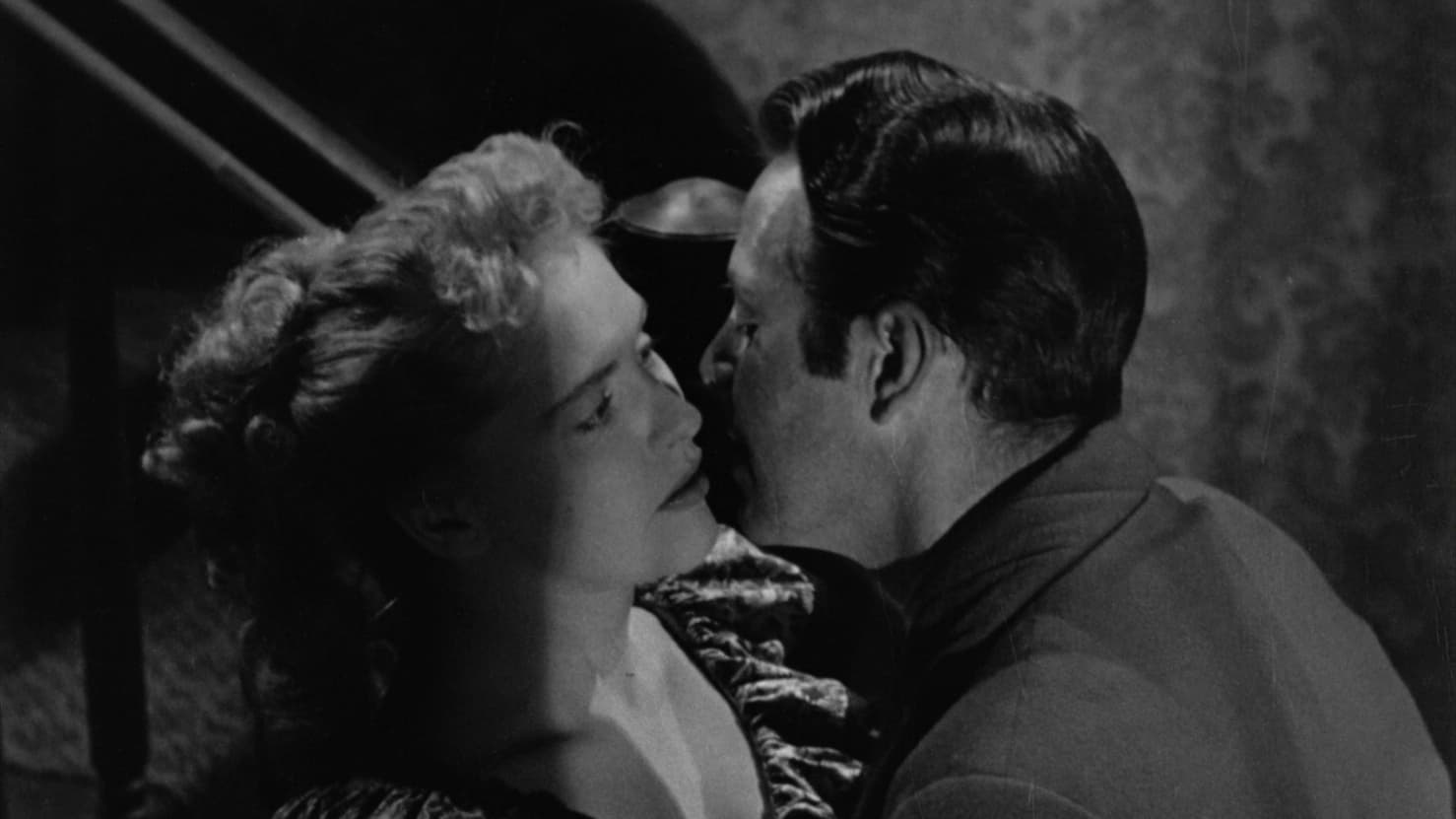
Wealthy writer Stephen Byrne tries to seduce the family maid, but when she resists, he kills her. Long jealous of his brother John, Stephen does his best to pin the blame for the murder on his sibling. Also affected by Stephen's arrogant dementia is his long-suffering wife Marjorie.
Insights
Plot Summary
A struggling playwright, haunted by his past failures and married to a wealthy socialite, finds himself in a moral quandary when a chance encounter with a manipulative actor leads to an accidental death. He attempts to cover up the crime, but his efforts are complicated by his wife's suspicions and the actor's relentless blackmail, pushing him towards further desperation and moral decay.
Critical Reception
Fritz Lang's 'House by the River' is often considered a lesser-known but effective entry in his filmography, appreciated for its atmospheric tension and moral ambiguity. While not as acclaimed as some of his more famous works, it garnered attention for its noir elements and Lang's directorial craft. Audience reception tends to be more muted, with some finding its pacing slow but others enjoying its suspenseful build-up.
What Reviewers Say
- Praised for its unsettling atmosphere and classic film noir style.
- Noted for Fritz Lang's distinctive directorial touch in building suspense.
- Some find the plot predictable or the characters unsympathetic.
Google audience: Information on specific Google user reviews for 'House by the River' from 1950 is not readily available in a summarized format.
Fun Fact
Fritz Lang was reportedly dissatisfied with the film and felt it was a "wretched" production, a sentiment that contrasts with how some later critics view its merits as a competent noir thriller.
AI-generated overview · Verify ratings on official sources